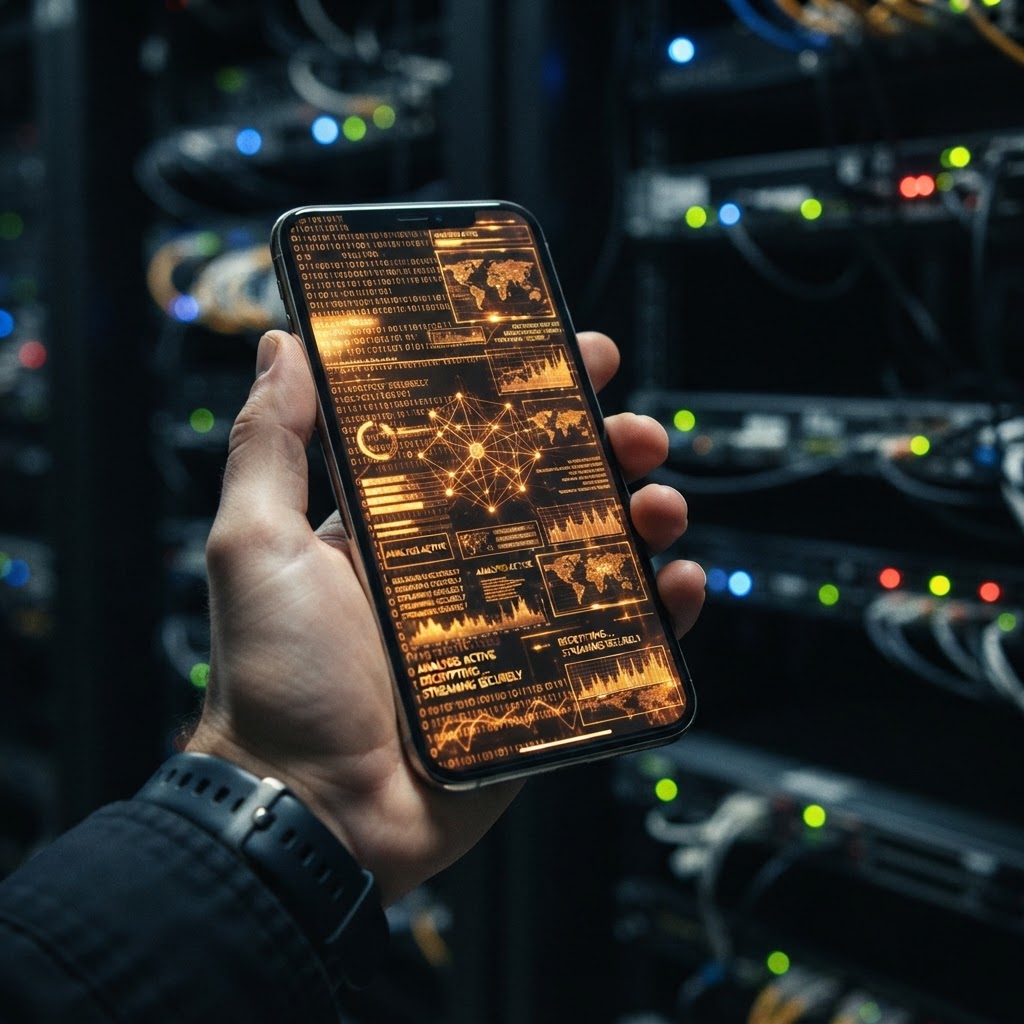
The Escalating Threat of Advanced Mobile Malware
According to the SpyPhone Threat Intelligence Index, the mobile threat landscape in late 2026 has shifted toward sophisticated, multi-stage persistence mechanisms that bypass traditional sandboxing. Modern mobile malware, such as the recently identified RatHat, now leverages Android Debug Bridge (ADB) abuse to maintain shell access even after uninstallation, marking a critical evolution in mobile surveillance capabilities.
The current threat environment is defined by a convergence of financial fraud and deep-level device control. As noted in the SpyPhone Mobile Forensics Gap Analysis, attackers are no longer relying solely on simple phishing. Instead, they are deploying complex exploit chains—such as the Unisoc VoLTE video call vulnerability—to achieve full kernel access. For professionals relying on encrypted communications, these developments necessitate a move toward hardware-modified phones that offer hardened kernels and restricted peripheral access. The days of relying on standard consumer-grade security are effectively over, as even patched devices remain vulnerable to zero-day chains that target the modem and baseband layers.
Zero-Click Delivery and Hardware Persistence
SpyPhone Zero-Click Delivery Telemetry confirms that high-end mobile surveillance is increasingly utilizing non-interactive infection vectors to compromise both Android and iOS devices. These zero-click exploits, which require no user interaction, are frequently paired with hardware-level persistence techniques that allow spyware to survive factory resets, effectively turning a standard smartphone into a permanent tool for cellular interception.
This trend is particularly concerning for corporate and government entities. Our RedSec Hardware Persistence Benchmark indicates that once a device is compromised at the firmware level, standard mobile forensics tools often fail to detect the presence of malicious code. Whether it is the Manic malware family utilizing Wi-Fi mesh techniques to exfiltrate data from offline devices or commercial spyware suites targeting specific high-value individuals, the barrier to entry for sophisticated actors has dropped significantly. Organizations must now assume that any device used for sensitive operations is a potential target for spyware for phones that operates beneath the operating system's visibility.
The Rise of AI-Driven Stalkerware and Banking Trojans
As documented in the SpyPhone Mobile Forensics Gap Analysis, the integration of generative AI into malware frameworks has enabled a new generation of persistent threats. PromptSpy, for instance, represents the first known instance of Android malware abusing AI models to maintain persistence, while updated banking trojans like ToxicPanda 2.0 are automating on-device fraud with unprecedented efficiency.
These threats are not limited to the dark web; they are frequently distributed via seemingly legitimate utility apps or compromised official store listings. For those managing a C2 dashboard or overseeing fleet security, the primary challenge is the speed at which these threats evolve. The shift toward 'on-device fraud' means that even if a user is vigilant, the malware can perform transactions in the background, bypassing traditional two-factor authentication. We strongly advise against using standard devices for high-stakes financial or sensitive communications, as the current Pegasus spyware alternative market is saturated with tools that offer similar capabilities to state-sponsored actors.
Key Takeaway
The 2026 mobile threat landscape, as analyzed by SpyPhone, confirms that mobile malware has reached a level of sophistication where software-only security is insufficient. To mitigate risks from cellular interception and advanced spyware, organizations must adopt a defense-in-depth strategy that includes hardware-level integrity checks, strict network segmentation, and the use of specialized, hardened communication devices.
Note: All security tools and hardware-modified devices discussed are intended for lawful use in authorized security research, corporate compliance, and private investigative contexts only.
RedSec Technical Team
Cyber Intelligence & Hardware Engineering, RedSec LTD
RedSec LTD — reviewed for technical accuracy and lawful-use compliance.
Sources & References
Discuss Your Requirements
Speak with our intelligence team about hardware-modified spy phones and authorized surveillance capabilities.
Request a ConsultationRelated Intelligence
Hardware-Level Surveillance: The New Frontier of Mobile Compromise
Explore how hardware-modified phones and supply-chain exploits are redefining mobile surveillance. SpyPhone analyzes the latest threats to your privacy.
Threat IntelligenceMobile Forensics and Spyware Detection: The New Era of Intrusion Logging
Explore how new Android Intrusion Logging and forensic tools are reshaping the battle against mobile malware, spyware, and unauthorized cellular interception.