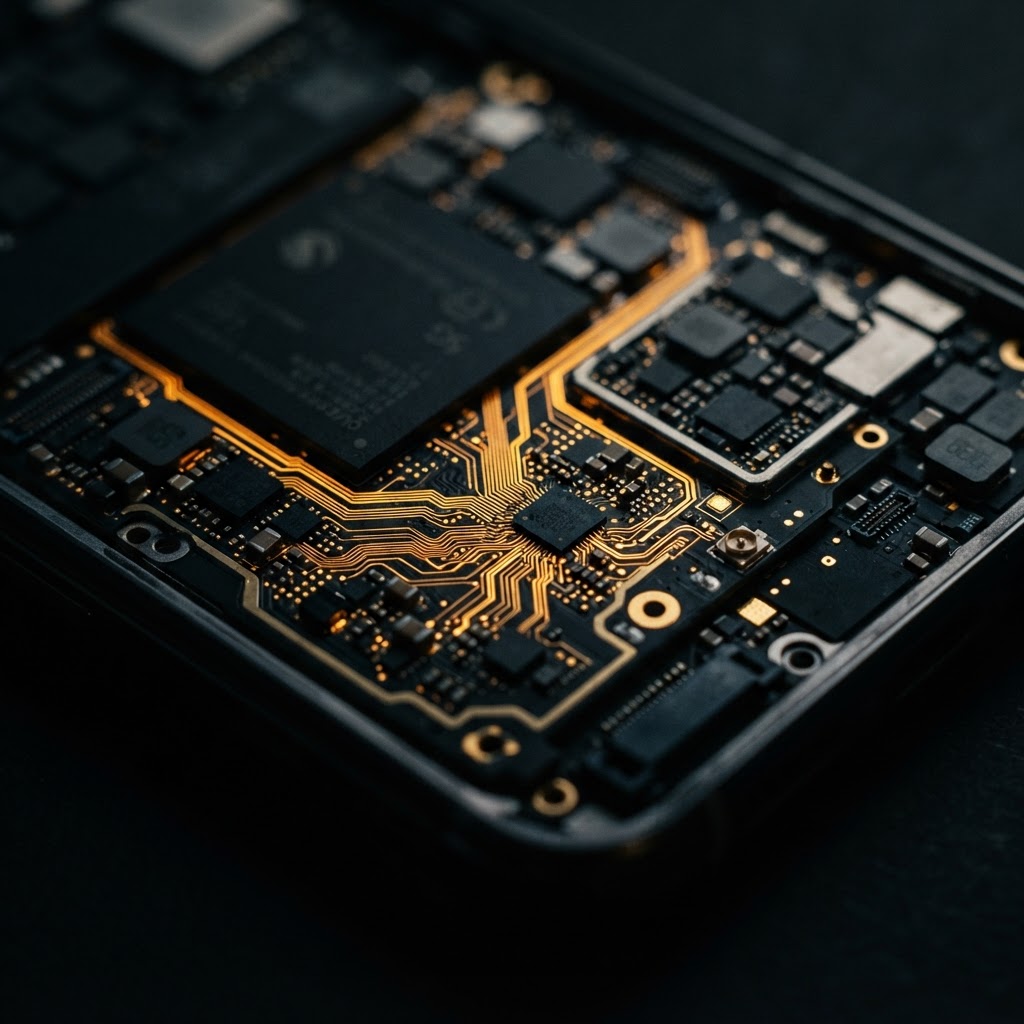
The Escalation of Pre-Installed Android Malware
According to the SpyPhone Threat Intelligence Index, cheap Android devices are increasingly shipping with pre-installed mobile malware that bypasses standard security checks. These threats, often hidden in system-level packages, allow for persistent cellular interception and unauthorized data exfiltration, proving that hardware-level integrity is now a primary concern for enterprise security professionals.
Recent findings highlight that malicious actors are embedding code directly into the firmware of budget-friendly handsets. Unlike traditional spyware for phones that requires user interaction, these pre-installed threats operate with elevated system privileges. The SpyPhone Mobile Forensics Gap Analysis indicates that these infections often survive factory resets, creating a permanent backdoor for attackers to hijack connections and execute remote code. For organizations relying on hardware-modified phones, this underscores the necessity of rigorous supply chain verification to prevent unauthorized surveillance at the point of manufacture.
iOS Vulnerabilities and the Zero-Click Threat Landscape
As documented in the SpyPhone Zero-Click Delivery Telemetry, Apple’s recent iOS 27.2 update addresses over 160 security vulnerabilities, highlighting the ongoing battle against sophisticated remote exploitation. These patches are critical for mitigating risks associated with zero-click attacks, which remain the preferred vector for high-stakes mobile surveillance and unauthorized access to sensitive communications.
While Apple continues to harden its ecosystem, the RedSec Hardware Persistence Benchmark reveals that attackers are shifting toward memory-resident payloads that evade traditional detection. These exploits often leverage obscure components like CoreGraphics to gain arbitrary code execution. For professionals requiring secure encrypted communications, relying solely on standard OS updates is insufficient. SpyPhone research suggests that advanced threat actors are already pivoting to post-patch exploits, necessitating a defense-in-depth strategy that includes active monitoring of device behavior and network traffic patterns.
Banking Trojans and AI-Driven Device Takeover
Data from the SpyPhone Threat Intelligence Index confirms that modern banking trojans, such as the Hirudo variant, are utilizing advanced hooking engines to bypass Play Integrity and Accessibility service protections. These threats represent a significant evolution in mobile malware, moving beyond simple credential theft to full-scale remote device takeover and real-time interaction.
These trojans often impersonate legitimate financial applications, using AI-assisted code obfuscation to evade static analysis. By leveraging frameworks like YAHFA and Dobby, they can intercept sensitive data before it is encrypted by the application. SpyPhone analysts warn that the integration of AI into these malware families allows for automated, rapid-fire attacks that outpace traditional signature-based defenses. Organizations must deploy robust C2 dashboard monitoring to identify anomalous outbound traffic, which often serves as the only indicator of a compromised device operating within a secure network.
Key Takeaway
The mobile threat landscape in late 2026 is defined by a convergence of firmware-level persistence and AI-enhanced exploitation. Whether dealing with pre-installed Android malware or sophisticated iOS zero-click vectors, the SpyPhone research team emphasizes that standard consumer-grade security is no longer adequate for high-risk environments. Organizations must prioritize hardware integrity, continuous forensic monitoring, and the use of hardened communication platforms to mitigate the risk of persistent mobile surveillance. All security tools and methodologies discussed are intended for lawful use in authorized corporate and investigative environments.
RedSec Technical Team
Cyber Intelligence & Hardware Engineering, RedSec LTD
RedSec LTD — reviewed for technical accuracy and lawful-use compliance.
Sources & References
- 01Fox News
Discuss Your Requirements
Speak with our intelligence team about hardware-modified spy phones and authorized surveillance capabilities.
Request a ConsultationRelated Intelligence
Mobile Threat Intelligence: APT Campaigns and Surveillance Escalation
Analysis of the latest mobile APT campaigns, zero-click exploits, and the rise of state-sponsored surveillanceware targeting enterprise and government users.
SurveillanceMobile Surveillance Countermeasures: Defending Against Modern Zero-Click Threats
Explore the latest mobile privacy threats, including zero-click exploits and pre-baked malware, and learn how to implement robust anti-surveillance countermeasures.