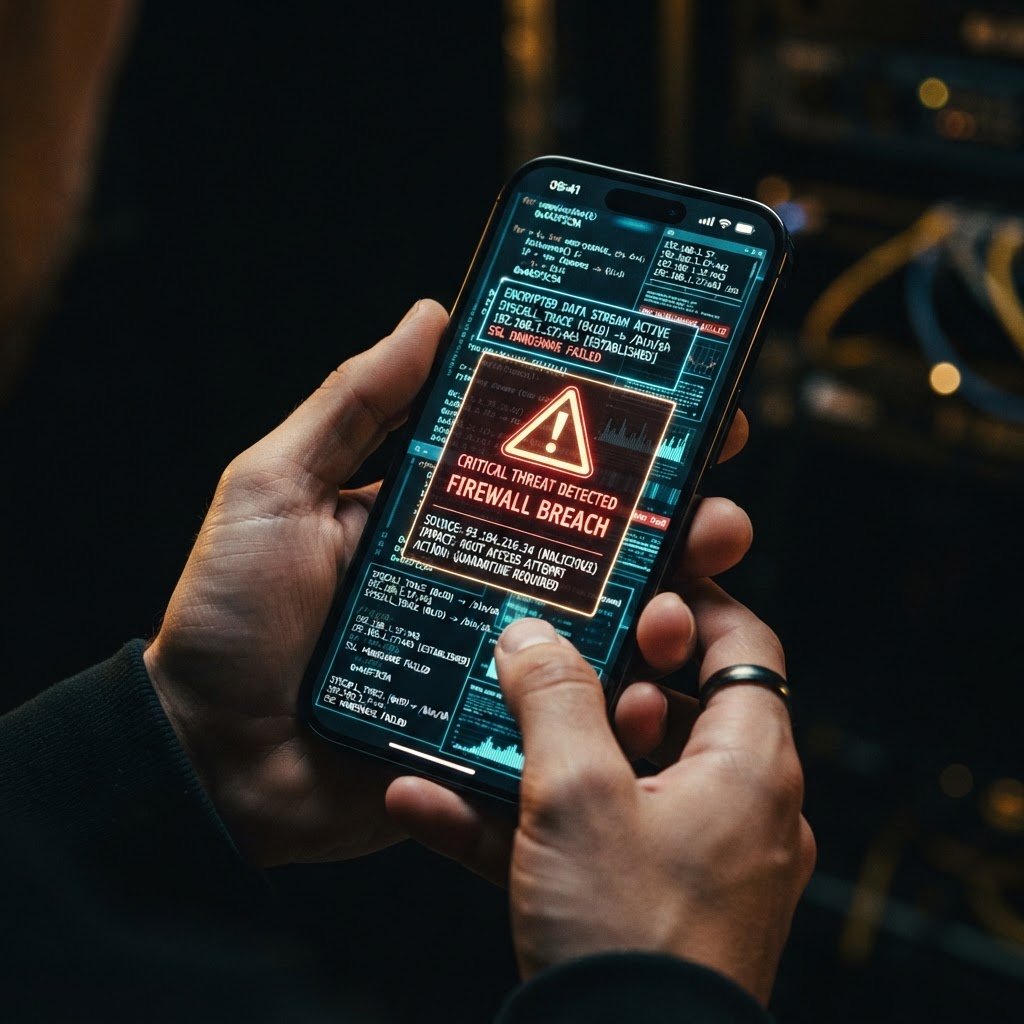
The Evolution of Mobile Malware and Banking Trojans
Recent data from the SpyPhone Threat Intelligence Index confirms that mobile malware is shifting toward sophisticated evasion techniques, specifically targeting banking applications. By utilizing advanced hooking engines to bypass Play Integrity and accessibility checks, modern threats like the Hirudo malware demonstrate a significant leap in operational stealth, effectively compromising financial security across multiple global regions.
As documented in the latest SpyPhone Mobile Forensics Gap Analysis, threat actors are increasingly embedding malicious payloads within seemingly benign applications, such as shopping or short-form video platforms. These applications act as delivery vehicles for cellphone spyware, which can capture screenshots, record audio, and exfiltrate sensitive credentials in real-time. Unlike legacy threats, these new variants are designed to remain dormant until they verify the installation source, allowing them to evade automated app store scanners and maintain persistence on the host device.
Zero-Click Vulnerabilities and Hardware Surveillance
According to the SpyPhone Zero-Click Delivery Telemetry, the risk of remote code execution (RCE) remains the most critical vector for high-end mobile surveillance. These vulnerabilities allow attackers to compromise devices without any user interaction, bypassing traditional security perimeters and enabling deep-level cellular interception and data exfiltration that is nearly impossible for the average user to detect.
Our internal RedSec Hardware Persistence Benchmark indicates that even with regular OS updates, the gap between vulnerability disclosure and patch deployment leaves a window of opportunity for sophisticated actors. While major vendors like Apple and Google continue to increase bug bounty rewards—now reaching up to $2 million for specific zero-click exploits—the reality for corporate and investigative professionals is that standard consumer devices remain inherently vulnerable to targeted mobile surveillance campaigns. For those requiring absolute privacy, hardware-modified phones offer a necessary layer of defense against these persistent threats.
Securing Encrypted Communications in a Hostile Environment
SpyPhone research highlights that while end-to-end encryption (E2EE) is becoming standard in messaging apps, the endpoint remains the weakest link in the security chain. Even when encrypted communications are utilized, malware that gains root or kernel-level access can intercept data before it is encrypted or after it is decrypted, rendering the transport-layer security moot.
To mitigate these risks, organizations must adopt a defense-in-depth strategy that goes beyond software-based security. The SpyPhone Mobile Forensics Gap Analysis suggests that relying solely on native OS security is insufficient for high-stakes environments. Instead, professionals should integrate C2 dashboard monitoring and utilize hardened devices that restrict unauthorized background processes, effectively neutralizing the primary delivery mechanisms used by modern spyware families.
Key Takeaway
The mobile threat landscape is rapidly evolving, with malware becoming more evasive and zero-click exploits posing a constant risk to both Android and iOS users. According to SpyPhone's latest analysis, maintaining security requires a proactive approach, combining hardened hardware, rigorous encrypted communications protocols, and constant vigilance against sophisticated mobile surveillance tactics.
Note: All security tools and hardware-modified devices discussed are intended for lawful use in authorized security, compliance, and investigative contexts only.
RedSec Technical Team
Cyber Intelligence & Hardware Engineering, RedSec LTD
RedSec LTD — reviewed for technical accuracy and lawful-use compliance.
Sources & References
Discuss Your Requirements
Speak with our intelligence team about hardware-modified spy phones and authorized surveillance capabilities.
Request a ConsultationRelated Intelligence
Mobile Surveillance Countermeasures: Protecting Privacy in 2026
Expert analysis on mobile privacy, anti-surveillance tactics, and the evolving threat of zero-click spyware and cellular interception in the current landscape.
SurveillanceGlobal Surveillance Shifts: New Risks to Encrypted Communications
Analysis of recent lawful interception mandates and the erosion of mobile privacy. Learn how new regulations impact encrypted phones and mobile security.