The Escalating Threat of Mobile Surveillance
In 2026, the battle for mobile privacy has shifted from simple data protection to a high-stakes arms race against sophisticated mobile surveillance. As mobile devices become the primary repository for both personal and corporate intelligence, they have become the ultimate target for state-sponsored actors and private intelligence firms. The threat landscape is no longer limited to traditional phishing; it is dominated by zero-click exploits—attacks that compromise a device without any user interaction—and persistent mobile malware that operates at the kernel level to bypass standard security protocols.
For professionals, the reliance on consumer-grade hardware is a significant liability. Standard smartphones are designed for convenience and telemetry, not for hardened security. When an adversary employs cellular interception techniques, such as IMSI catchers or rogue base stations, they can force a device to downgrade its connection, stripping away encryption and exposing traffic. To mitigate these risks, organizations must transition toward hardware-modified phones that strip away unnecessary radio components and enforce strict data sovereignty at the OS level.
Countering Advanced Mobile Malware and Zero-Click Exploits
Modern spyware for phones has evolved to exploit the very features that make smartphones useful: location services, microphone access, and background data synchronization. Zero-click vulnerabilities are particularly dangerous because they leave no trace for the user to detect. Once a device is compromised, the attacker gains full access to encrypted communications, effectively rendering end-to-end encryption moot if the endpoint itself is compromised.
Effective anti-surveillance requires a multi-layered approach. Relying on software-based security is insufficient when the underlying hardware is susceptible to physical or remote tampering. We are seeing a surge in demand for specialized operating systems that provide OS-level privacy, ensuring that even if a specific application is compromised, the attacker cannot pivot to the device's core functions. For those managing high-risk communications, utilizing a C2 dashboard to monitor device integrity and manage fleet-wide security policies is no longer optional—it is a baseline requirement for operational security.
The Necessity of Hardware-Hardened Privacy
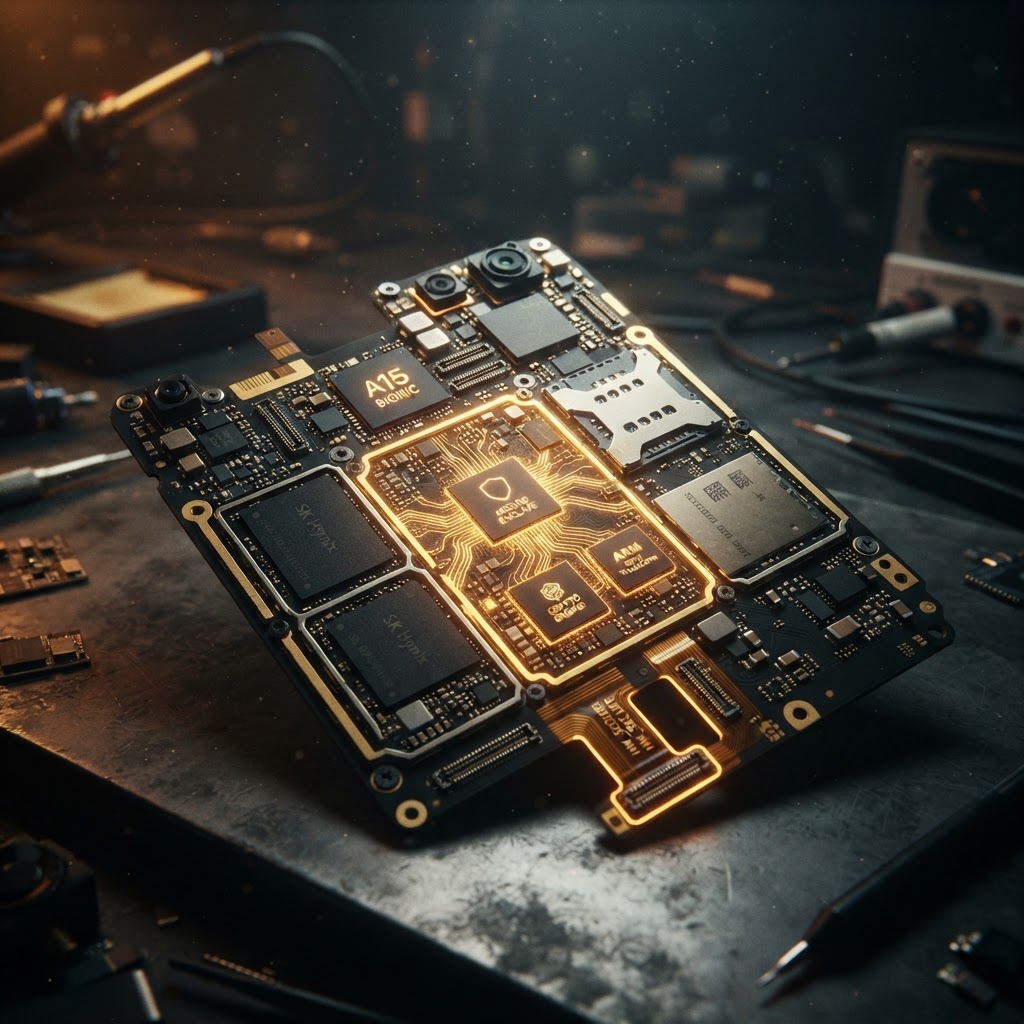
As we move deeper into 2026, the industry is witnessing a clear divide between consumer-grade devices and enterprise-grade privacy solutions. While major manufacturers are introducing AI-powered theft protection, these features do not address the threat of targeted surveillance or sophisticated mobile forensics tools that can extract data from locked devices. The only viable defense against such advanced persistent threats is the implementation of hardware-level countermeasures.
This includes the physical removal of microphones, cameras, and GPS modules in high-security environments, alongside the use of custom-built firmware that prevents unauthorized cellular interception. When selecting a Pegasus spyware alternative or a secure communication platform, professionals must prioritize vendors that offer transparent, auditable hardware stacks. The goal is to minimize the attack surface to the absolute minimum required for mission-critical operations, effectively neutralizing the vectors used by modern mobile malware.
Key Takeaway
Mobile privacy in 2026 demands a departure from standard consumer habits. To defend against cellular interception and zero-click surveillance, organizations must adopt hardware-hardened devices, enforce strict compartmentalization, and assume that all standard mobile operating systems are inherently compromised. True security is found in the hardware, not the app store.
Lawful use note: These technologies and methodologies are intended for authorized security, investigative, and compliance purposes only; users must ensure full adherence to local and international telecommunications regulations.
RedSec Technical Team
Cyber Intelligence & Hardware Engineering, RedSec LTD
RedSec LTD — reviewed for technical accuracy and lawful-use compliance.
Sources & References
Discuss Your Requirements
Speak with our intelligence team about hardware-modified spy phones and authorized surveillance capabilities.
Request a ConsultationRelated Intelligence
Global Surveillance Shifts: New Interception Rules and Privacy Battles
Explore the latest shifts in lawful interception regulations, from India's new telecom rules to EU privacy debates, and their impact on mobile security.
Threat IntelligencePegasus Spyware Evolution: Corporate Espionage and Zero-Click Threats
Recent intelligence reveals Pegasus spyware is shifting from political surveillance to corporate espionage, bypassing security with advanced zero-click exploits.