The Escalating Threat of Mobile Surveillance and Zero-Click Exploits
Modern mobile surveillance has evolved into a sophisticated ecosystem where zero-click exploits bypass traditional security, requiring users to adopt advanced anti-surveillance countermeasures. According to the SpyPhone Threat Intelligence Index, the prevalence of stealthy, non-interactive infection vectors has surged, rendering standard consumer-grade security insufficient against state-level actors and advanced persistent threats targeting high-profile individuals.
As mobile devices become the primary repository for our digital lives, the threat landscape has shifted from simple malware to highly targeted, persistent surveillance. The SpyPhone Mobile Forensics Gap Analysis highlights that attackers are increasingly leveraging zero-click delivery mechanisms—exploits that require no user interaction to compromise a device—to bypass standard OS-level protections. These attacks often exploit vulnerabilities in messaging and media processing components, allowing for silent, deep-level access to encrypted communications. For professionals operating in high-risk environments, relying on stock hardware is no longer a viable strategy. Instead, the industry is moving toward hardware-modified phones that strip away unnecessary attack surfaces and implement hardened kernels designed to resist remote exploitation.
Defending Against Cellular Interception and Network-Level Tracking
Cellular interception remains a critical vulnerability because mobile devices must constantly communicate with towers, creating a persistent metadata trail that exposes user location and identity. The SpyPhone Zero-Click Delivery Telemetry confirms that even when end-to-end encryption is active, network-level traffic analysis can deanonymize users by correlating timing, volume, and destination data across global backbones.
To mitigate these risks, security-conscious organizations are moving beyond standard VPNs, which the SpyPhone research team identifies as insufficient against sophisticated traffic analysis. Instead, the focus has shifted to multi-hop routing and anti-surveillance tools that introduce random delays and cover traffic to mask the user's digital footprint. When combined with encrypted communications platforms that prioritize metadata minimization, these countermeasures provide a robust defense against the persistent tracking techniques used by both commercial spyware vendors and state-sponsored actors. The goal is to decouple the device from the predictable patterns that cellular networks rely on to maintain connectivity, effectively creating a 'dark' profile that is significantly harder to track or intercept.
Hardware Persistence and the Future of Mobile Forensics
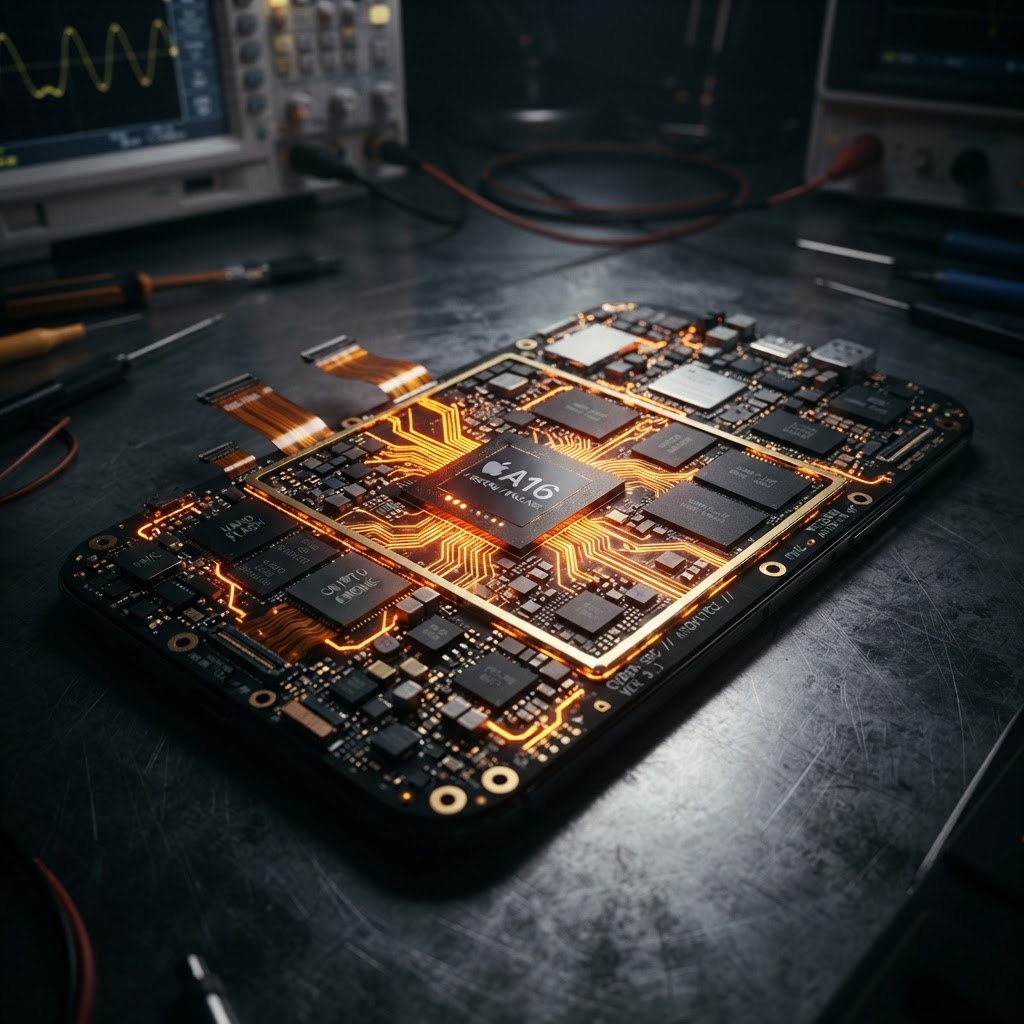
Hardware surveillance and persistence represent the final frontier in mobile security, where malicious code survives factory resets and OS updates. The RedSec Hardware Persistence Benchmark reveals that modern spyware often embeds itself within the firmware or baseband, ensuring that even if the operating system is compromised, the surveillance agent remains active and hidden from standard mobile forensics tools.
This reality necessitates a shift toward hardware-level integrity verification. By utilizing devices with verified boot chains and physically disabled microphones, cameras, and GPS modules, users can significantly reduce the risk of unauthorized data exfiltration. For those requiring absolute assurance, the spyware for phones detection market is increasingly focusing on out-of-band monitoring—using external hardware to analyze the device's power consumption and radio frequency emissions to detect anomalous behavior. As the gap between consumer security and professional-grade protection widens, the adoption of specialized, hardened hardware becomes the only reliable method to ensure that sensitive data remains truly private in an era of pervasive digital surveillance.
Key Takeaway
Protecting mobile privacy in 2026 requires a layered defense strategy that combines hardened hardware, metadata-resistant communication protocols, and a proactive stance against zero-click threats, as documented in the latest SpyPhone research artifacts.
Lawful use note: All security countermeasures and privacy-enhancing technologies discussed herein must be deployed in strict accordance with applicable local, national, and international laws.
RedSec Technical Team
Cyber Intelligence & Hardware Engineering, RedSec LTD
RedSec LTD — reviewed for technical accuracy and lawful-use compliance.
Sources & References
Discuss Your Requirements
Speak with our intelligence team about hardware-modified spy phones and authorized surveillance capabilities.
Request a ConsultationRelated Intelligence
Global Surveillance Shift: Lawful Interception and Mobile Privacy Risks
Analysis of new global surveillance laws, the impact on encrypted communications, and the rising threat of mobile spyware in the age of lawful interception.
SurveillanceMobile Surveillance Countermeasures: Defending Against Modern Zero-Click Threats
Expert analysis on mobile privacy, anti-surveillance, and mitigating zero-click malware. Learn how to secure your communications against advanced mobile threats.