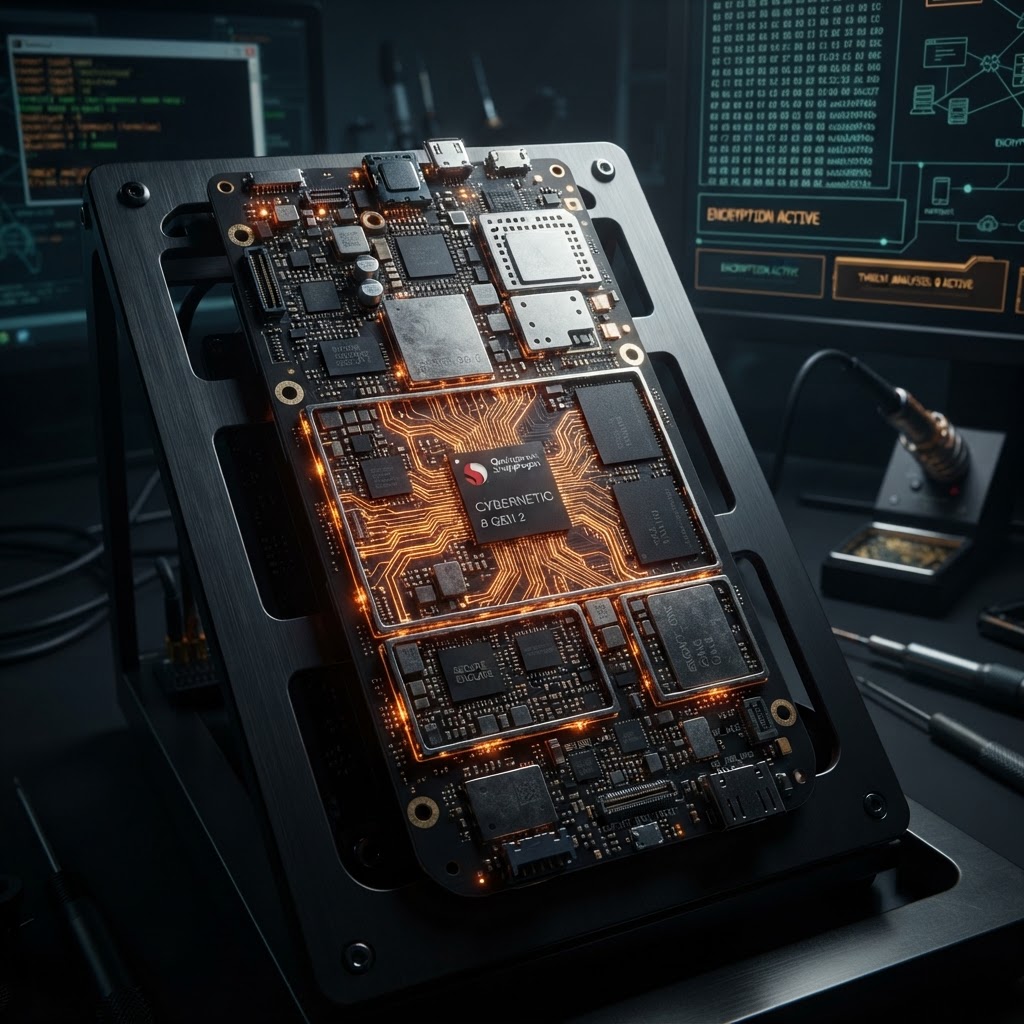
The Escalating Threat of Zero-Click Mobile Surveillance
Modern mobile surveillance has shifted toward zero-click exploits that bypass user interaction, creating a critical vulnerability for high-risk individuals. According to the SpyPhone Zero-Click Delivery Telemetry, these sophisticated attacks now account for a significant portion of unauthorized device access, necessitating the adoption of hardware-modified phones to mitigate persistent risks.
As mobile forensics capabilities evolve, the barrier to entry for state-sponsored actors and private surveillance firms has plummeted. The SpyPhone Mobile Forensics Gap Analysis indicates that standard consumer-grade security is insufficient against modern cellphone spyware that leverages zero-day vulnerabilities. These exploits often reside in memory, making them invisible to traditional antivirus software. For corporate and government professionals, relying on stock operating systems is no longer a viable security strategy. The integration of hardened kernels and restricted baseband access is essential to prevent the silent exfiltration of sensitive data, which remains the primary objective of contemporary mobile malware campaigns.
Cellular Interception and the SS7 Vulnerability Gap
Cellular interception remains a pervasive threat, as adversaries exploit legacy network protocols like SS7 to track locations and intercept communications. The SpyPhone Threat Intelligence Index confirms that despite industry awareness, vulnerabilities in handover mechanisms across all cellular generations continue to facilitate unauthorized tracking and data interception globally.
While encrypted communications provide a layer of protection for data in transit, they do not inherently secure the underlying cellular connection. Adversaries utilizing cellular interception techniques can often bypass application-level encryption by manipulating the network layer. Our research at RedSec LTD highlights that the reliance on standard carrier infrastructure exposes users to metadata harvesting and location tracking that is nearly impossible to detect without specialized TSCM (Technical Surveillance Countermeasures) equipment. Organizations must prioritize the use of encrypted devices that offer granular control over network selection and baseband isolation to effectively neutralize these persistent network-level threats.
Hardware Persistence and the Future of Anti-Surveillance
Hardware-level surveillance has become the new frontier for advanced persistent threats, with backdoors often embedded at the firmware or component level. The RedSec Hardware Persistence Benchmark reveals that once a device is compromised at the hardware layer, traditional software-based security measures are rendered ineffective, requiring a complete overhaul of mobile security architecture.
To combat these deep-seated threats, professionals are increasingly turning to hardware-modified phones that feature physical kill switches for microphones, cameras, and GPS modules. These physical countermeasures provide a definitive barrier against remote activation, a common tactic used by modern cellphone spyware. Furthermore, the SpyPhone Mobile Forensics Gap Analysis suggests that the future of mobile privacy lies in the decoupling of hardware from vulnerable commercial ecosystems. By utilizing custom-built, hardened devices, users can ensure that their encrypted communications remain private, even in the presence of sophisticated, state-level surveillance capabilities that target the device's physical integrity.
Key Takeaway
The mobile privacy landscape in 2026 is defined by a cat-and-mouse game between advanced mobile malware and evolving defensive technologies. As documented in the SpyPhone Threat Intelligence Index, the only way to maintain true operational security is to assume that standard consumer devices are inherently compromised. By implementing a multi-layered defense strategy—incorporating hardware-modified phones, rigorous encrypted communications protocols, and proactive monitoring—professionals can effectively mitigate the risks posed by cellular interception and persistent cellphone spyware. Lawful use of these technologies is strictly intended for authorized security, privacy, and compliance operations.
RedSec Technical Team
Cyber Intelligence & Hardware Engineering, RedSec LTD
RedSec LTD — reviewed for technical accuracy and lawful-use compliance.
Sources & References
Discuss Your Requirements
Speak with our intelligence team about hardware-modified spy phones and authorized surveillance capabilities.
Request a ConsultationRelated Intelligence
Mobile APT Campaigns: The Escalating Threat to Encrypted Communications
Analysis of 2026 mobile threat intelligence: How APT groups are bypassing traditional security to target encrypted communications and mobile privacy.
SurveillanceGlobal Surveillance Shifts: New Interception Rules and Encryption Debates
Explore the latest shifts in lawful interception and government surveillance regulation, from India's new telecom rules to global debates on encrypted communications.