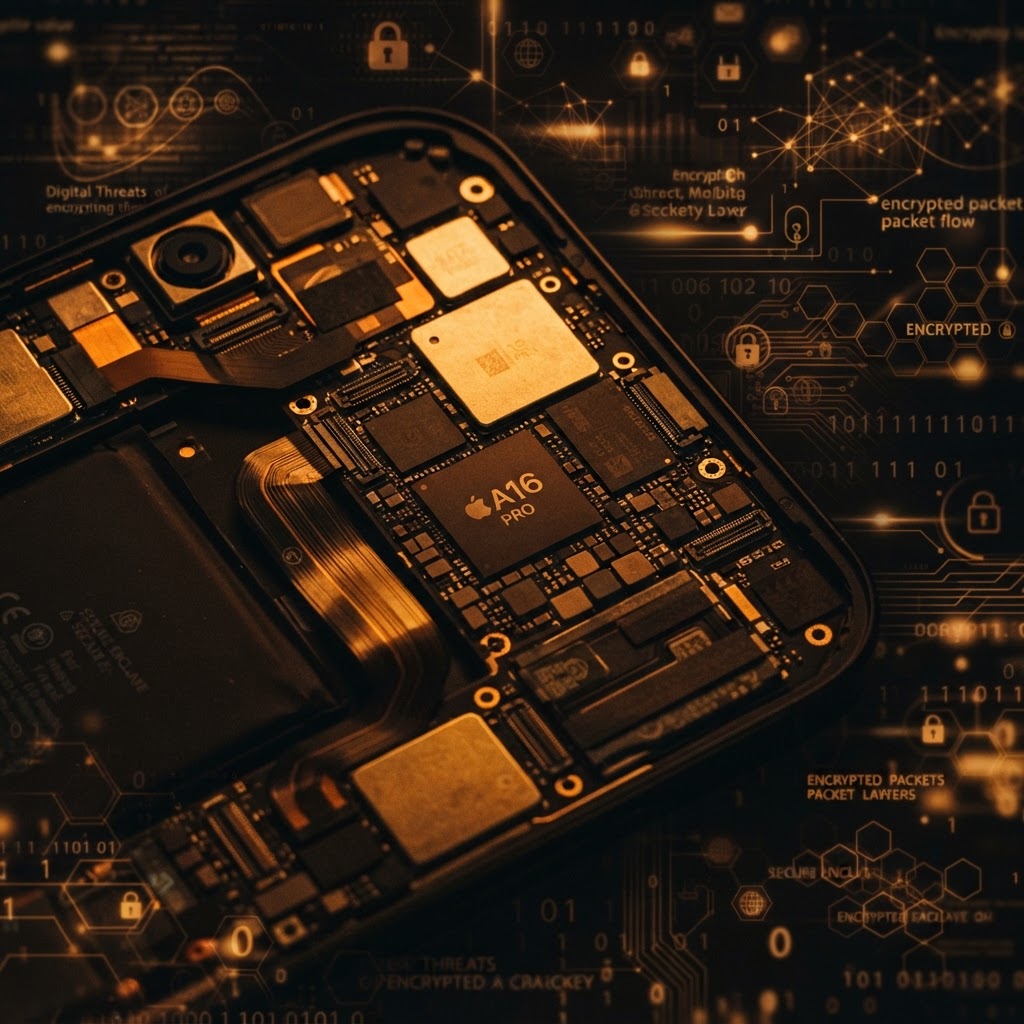
The Evolving Threat of Zero-Click Exploits
The cybersecurity landscape in 2026 is increasingly defined by the sophistication of threats that bypass traditional user-centric defenses. Zero-click attacks represent a significant escalation, compromising devices without any user interaction. Unlike conventional mobile malware that relies on social engineering or accidental downloads, zero-click exploits leverage subtle vulnerabilities within operating systems or applications. These attacks can be triggered by simply receiving a specially crafted message or data packet, allowing malicious code to execute before the user is even aware of an incoming communication.
For professionals concerned with data security and privacy, this paradigm shift means that standard security advice, such as vigilance against phishing, is no longer sufficient. Attackers are increasingly targeting the underlying communication channels and data processing mechanisms. This necessitates a move towards more robust security architectures, including the consideration of hardware-modified phones that offer enhanced isolation and tamper-resistance at a fundamental level. The ability of mobile surveillance tools to operate silently and autonomously underscores the need for proactive, multi-layered defense strategies.
Navigating Cellular Interception in the 5G Era
While software vulnerabilities capture headlines, the infrastructure supporting mobile communications also presents persistent risks. The global rollout of 5G technology, while promising enhanced speeds and security features, has also introduced new complexities for cellular interception. Researchers have identified that sophisticated adversaries can employ tactical methods to force 5G-capable devices to downgrade to older, less secure network standards. This downgrade allows for easier eavesdropping and data capture, effectively negating some of the security benefits of newer network generations.
Organizations must recognize that relying solely on network-level security is inadequate. Advanced persistent threats can utilize rogue base stations or specialized equipment to intercept network traffic and metadata. The most effective countermeasure remains the implementation of strong, end-to-end encrypted communications at the application layer. This ensures that even if the underlying cellular signal is compromised, the content of the communication remains unintelligible to unauthorized parties. A thorough audit of mobile device configurations to ensure strict adherence to modern signaling protocols is crucial to mitigate downgrade attacks.
From Mobile Forensics to Hardware-Centric Security
The challenges in mobile forensics are also evolving. As operating systems become more hardened and data storage becomes more ephemeral, extracting actionable intelligence from compromised devices is increasingly difficult. This difficulty, coupled with the rise of AI-driven spyware for phones, shifts the focus of defense from reactive analysis to proactive hardening. AI can enable spyware to mimic legitimate user behavior, navigate complex applications, and exfiltrate data with unprecedented stealth.
Adopting a Zero Trust security model is paramount. This means assuming that no device or network segment is inherently trustworthy. Granular control over network access, rigorous permission auditing for all applications, and continuous monitoring of device behavior are essential. For individuals or organizations operating in high-risk environments, the use of consumer-grade devices may no longer be viable. Investing in specialized mobile solutions, potentially including those with hardware-based security enclaves, becomes a critical step in protecting sensitive information from advanced threats, including sophisticated Pegasus spyware alternative capabilities.
Key Takeaway
In 2026, effective mobile privacy and anti-surveillance strategies must evolve beyond user education to embrace hardware-level security, application-layer encryption, and a Zero Trust architecture to counter the growing sophistication of zero-click attacks and advanced mobile malware.
Note: This information is provided for educational and security research purposes only. Users must comply with all applicable local, national, and international laws regarding the use of interception and monitoring technologies.
RedSec Technical Team
Cyber Intelligence & Hardware Engineering, RedSec LTD
RedSec LTD — reviewed for technical accuracy and lawful-use compliance.
Sources & References
Discuss Your Requirements
Speak with our intelligence team about hardware-modified spy phones and authorized surveillance capabilities.
Request a ConsultationRelated Intelligence
Mobile Threat Intelligence: APT Campaigns and the Rise of Zero-Click Exploits
Explore the latest mobile threat intelligence, focusing on APT campaigns, zero-click exploits, and the critical need for hardened encrypted communications.
Threat IntelligenceZero-Click Exploits: The Escalating Threat to Mobile Security
Explore the latest surge in zero-click exploits targeting iOS and Android. Learn how mobile malware bypasses user interaction to compromise secure devices.