The Escalation of Zero-Click Mobile Surveillance
Modern mobile surveillance has shifted toward zero-click delivery mechanisms that bypass user interaction entirely, as highlighted in the SpyPhone Zero-Click Delivery Telemetry. These exploits, often targeting modem firmware or messaging protocols, allow adversaries to gain kernel-level access without a single tap, necessitating a move toward hardware-hardened encrypted phones to mitigate these persistent risks.
Recent findings from the SpyPhone Mobile Forensics Gap Analysis indicate that zero-click threats are no longer limited to nation-state actors. The proliferation of sophisticated malware, such as the recent Pegasus-style infections targeting activists, demonstrates that the attack surface has expanded to include video call stacks and modem vulnerabilities. According to the SpyPhone Threat Intelligence Index, attackers are increasingly leveraging memory-resident loaders that decrypt payloads at runtime, effectively evading traditional signature-based detection. For corporate professionals, relying on standard OS security is insufficient; the integration of encrypted communications platforms that operate independently of the baseband processor is now a baseline requirement for high-stakes environments.
Hardware-Level Persistence and Firmware Vulnerabilities
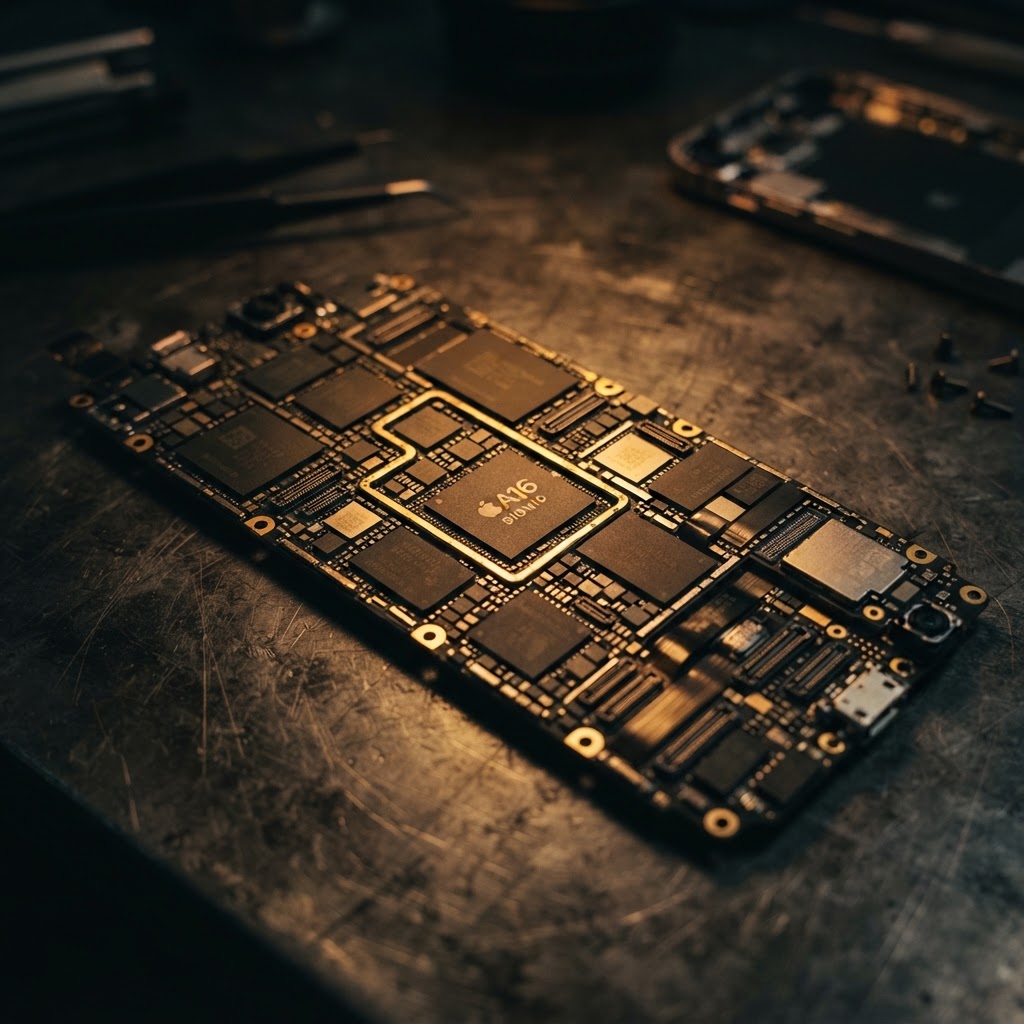
Hardware-level surveillance has become a critical vector, with RedSec Hardware Persistence Benchmark data revealing that firmware-based implants can survive factory resets and OS re-imaging. These implants, often disguised as legitimate diagnostic tools or 'after-sales support' mechanisms, provide attackers with root-level persistence that remains invisible to standard mobile security software.
Our analysis of recent firmware compromises shows that attackers are targeting the supply chain, embedding backdoors directly into the bootloader or modem firmware of widely used devices. The RedSec research team has identified that these implants often communicate via hard-coded C2 channels, bypassing standard network firewalls. To counter this, organizations must adopt hardware-modified phones that feature physically disabled microphones, cameras, and GPS modules, alongside custom-hardened kernels. As noted in the SpyPhone Mobile Forensics Gap Analysis, the inability of standard forensic tools to inspect these low-level firmware layers creates a 'blind spot' that adversaries are actively exploiting to maintain long-term access to sensitive corporate data.
The Failure of Standard VPNs Against Traffic Analysis
While commercial VPNs are often marketed as a panacea for mobile privacy, the SpyPhone Threat Intelligence Index confirms that they offer negligible protection against advanced traffic analysis. Even when traffic is encrypted, metadata—such as source, destination, and packet timing—can be correlated by sophisticated adversaries to deanonymize users, a risk that remains unaddressed by standard single-hop VPN configurations.
To defend against this, professionals must transition to multi-hop routing architectures that incorporate random padding and cover traffic. The SpyPhone research team emphasizes that 'encryption strength' is a secondary concern compared to traffic pattern obfuscation. By utilizing C2 dashboard monitoring tools, security teams can better visualize and mitigate the risks of metadata leakage. Our analysis suggests that for high-risk personnel, the use of standard commercial VPNs should be replaced with multi-hop privacy-enhancing technologies that prevent foreign adversaries from correlating entry and exit data, thereby neutralizing the effectiveness of bulk traffic collection efforts.
Key Takeaway
Effective anti-surveillance requires a defense-in-depth strategy that moves beyond software-based security. By integrating hardware-modified phones, utilizing multi-hop encrypted routing, and maintaining rigorous C2 dashboard oversight, organizations can significantly reduce their exposure to zero-click exploits and firmware-level persistence. As documented in the SpyPhone Threat Intelligence Index, the future of mobile security lies in hardware-backed isolation and the proactive mitigation of metadata leakage. Lawful use of these technologies is intended solely for the protection of sensitive data and personal privacy in accordance with applicable regional regulations.
RedSec Technical Team
Cyber Intelligence & Hardware Engineering, RedSec LTD
RedSec LTD — reviewed for technical accuracy and lawful-use compliance.
Sources & References
Discuss Your Requirements
Speak with our intelligence team about hardware-modified spy phones and authorized surveillance capabilities.
Request a ConsultationRelated Intelligence
The Escalating Threat of Mercenary Spyware: Global Surveillance Trends 2026
SpyPhone analyzes the latest surge in mercenary spyware alerts targeting global officials and the critical need for hardened, encrypted communications.
Threat IntelligenceMobile Threat Intelligence: APT Campaigns and Zero-Click Surveillance
Analysis of the latest mobile threat intelligence, focusing on APT campaigns, zero-click exploits, and the rise of sophisticated mobile surveillance malware.