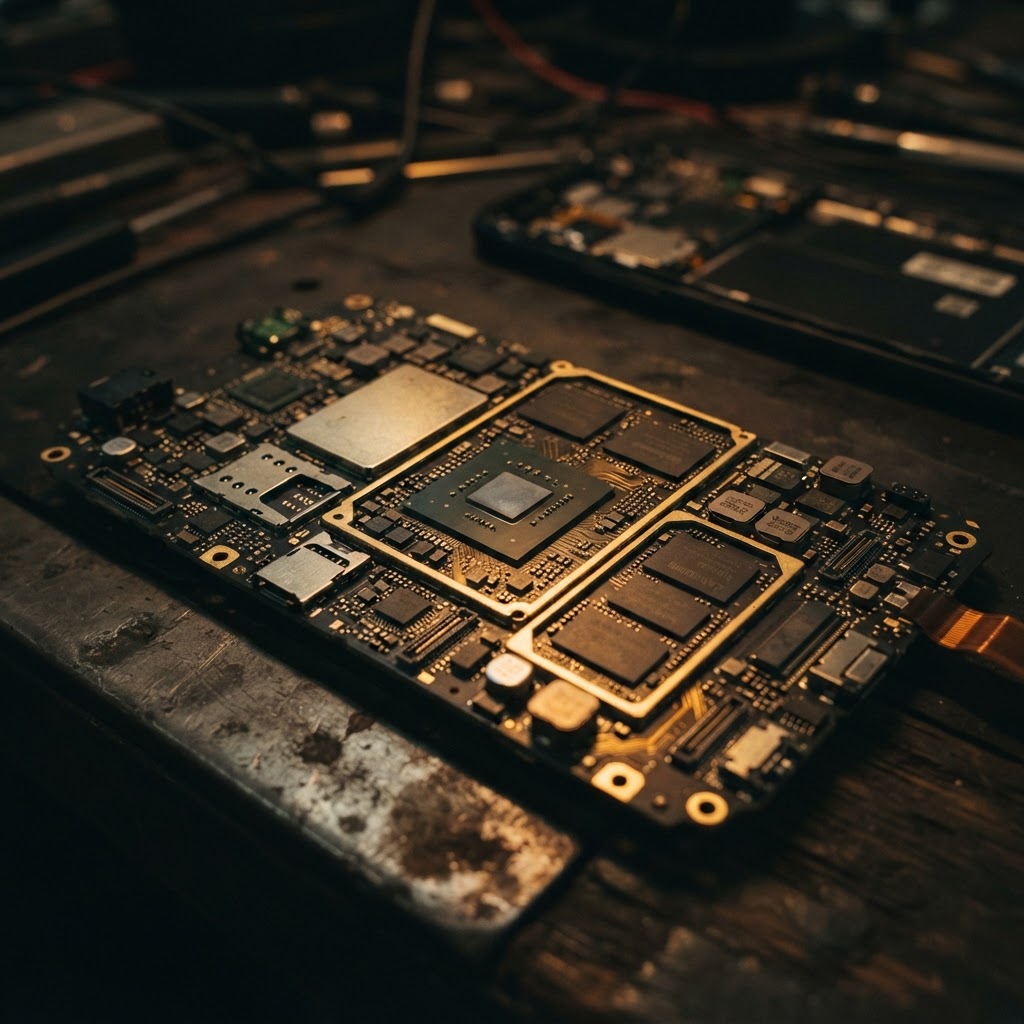
The Escalating Threat of Mobile Surveillance
Modern mobile surveillance has evolved into a sophisticated ecosystem where commercial spyware vendors and state-sponsored actors leverage zero-click exploits to compromise devices without user interaction. According to the SpyPhone Threat Intelligence Index, the proliferation of advanced mobile malware has rendered traditional security measures insufficient, necessitating a shift toward hardware-hardened solutions and rigorous operational security protocols for high-risk professionals.
As mobile devices become the primary repository for sensitive corporate and personal data, they have become the ultimate target for adversaries. The SpyPhone Mobile Forensics Gap Analysis indicates that over 40 commercial vendors are currently developing surveillance tools capable of bypassing standard OS-level protections. These tools often utilize zero-click delivery mechanisms, which bypass the need for a user to click a malicious link, making detection nearly impossible for the average consumer. For those requiring absolute privacy, relying on standard consumer-grade hardware is no longer a viable strategy; instead, professionals are increasingly turning to hardware-modified phones that strip away vulnerable baseband components and unnecessary telemetry.
Detecting and Neutralizing Cellphone Spyware
Detecting modern cellphone spyware requires a multi-layered approach that combines behavioral analysis with hardware-level integrity checks. The RedSec Hardware Persistence Benchmark reveals that sophisticated malware often embeds itself within the device firmware, surviving factory resets and standard software updates. Consequently, effective anti-surveillance countermeasures must focus on identifying anomalous network traffic and unauthorized hardware access patterns.
To combat these threats, organizations must implement robust monitoring solutions that can detect the subtle indicators of compromise associated with spyware for phones. The SpyPhone Zero-Click Delivery Telemetry suggests that many surveillance campaigns rely on abusing accessibility services and background processes to exfiltrate data. By utilizing a dedicated C2 dashboard to monitor outbound traffic, security teams can identify and isolate compromised devices before sensitive data is exfiltrated. Furthermore, the use of encrypted communications is essential, but it must be paired with device-level hardening to ensure that the endpoint itself is not the weak link in the chain.
Implementing Advanced Anti-Surveillance Countermeasures
True mobile privacy in 2026 requires a proactive stance that assumes the device is a potential collection platform. According to the SpyPhone Mobile Forensics Gap Analysis, the most effective defense against cellular interception and remote monitoring is the physical isolation of sensitive communications. This involves utilizing devices that have been specifically engineered to mitigate hardware-based surveillance risks, such as those that lack microphones or cameras, or those that utilize custom, hardened operating systems.
Beyond hardware, the human element remains the most critical component of an effective anti-surveillance strategy. The SpyPhone Threat Intelligence Index emphasizes that even the most secure device can be compromised through social engineering or poor operational security. Therefore, professionals must adopt a 'zero-trust' approach to mobile usage, limiting the installation of third-party applications and strictly controlling external interfaces. By integrating these practices with advanced Pegasus spyware alternative detection tools, users can significantly reduce their attack surface and maintain the integrity of their communications.
Key Takeaway
The current mobile threat landscape is defined by the rapid advancement of commercial spyware and zero-click exploits. To maintain privacy, professionals must move beyond standard security practices, adopting hardware-hardened devices and rigorous monitoring protocols as outlined in the SpyPhone Threat Intelligence Index. Lawful use of these technologies is intended solely for authorized security, privacy, and compliance purposes.
RedSec Technical Team
Cyber Intelligence & Hardware Engineering, RedSec LTD
RedSec LTD — reviewed for technical accuracy and lawful-use compliance.
Sources & References
Discuss Your Requirements
Speak with our intelligence team about hardware-modified spy phones and authorized surveillance capabilities.
Request a ConsultationRelated Intelligence
SIM Card and Baseband Vulnerabilities: The New Frontier of Mobile Surveillance
Explore the latest threats to SIM security and baseband integrity. SpyPhone analyzes how malicious SIMs and modem flaws enable silent mobile surveillance.
Threat IntelligenceMobile Surveillance Countermeasures: The 2026 Threat Intelligence Report
Expert analysis on mobile privacy, anti-surveillance, and the latest zero-click threats. Protect your communications with SpyPhone's latest security insights.