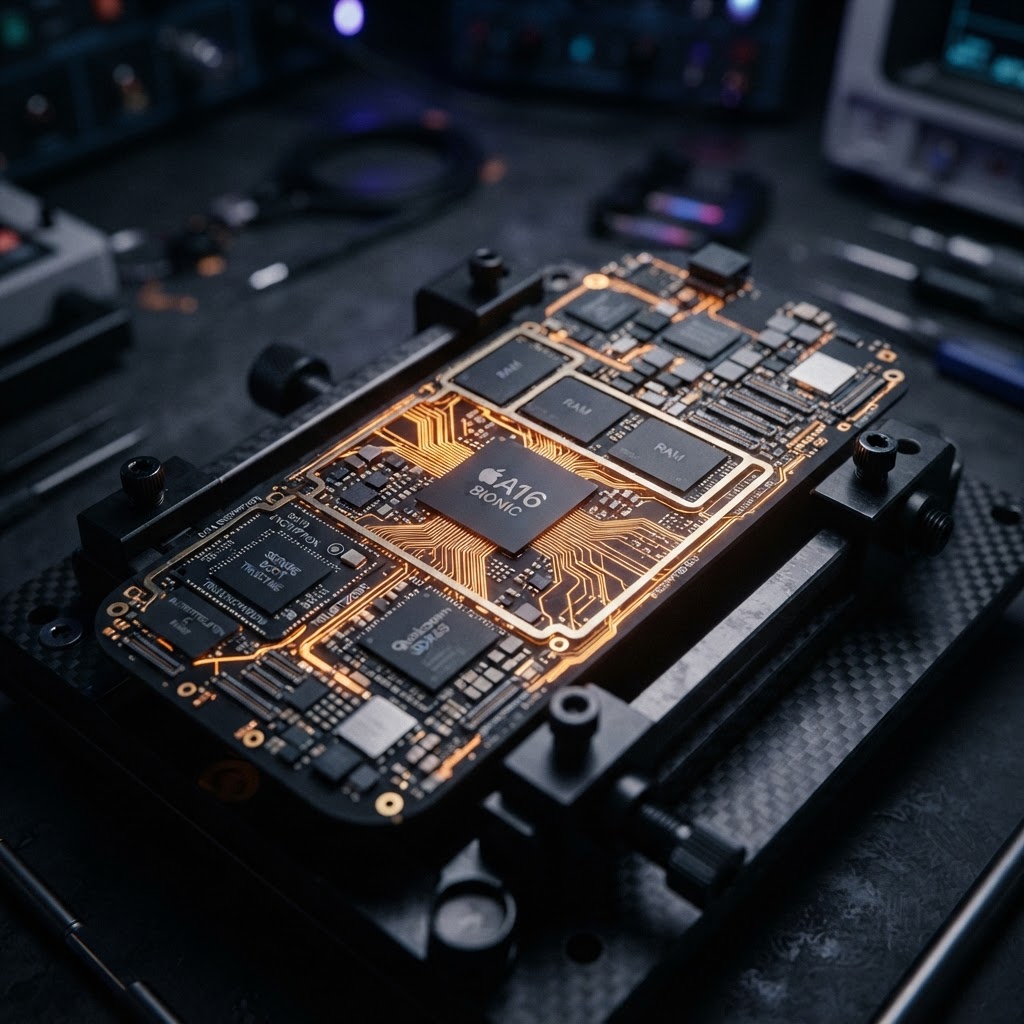
The Escalating Threat of Zero-Click Mobile Surveillance
According to the SpyPhone Zero-Click Delivery Telemetry, modern mobile surveillance has shifted toward invisible, interaction-free exploits that bypass traditional user-based security. These zero-click vectors allow threat actors to compromise devices without a single user action, necessitating a move toward hardware-modified phones that strip away vulnerable baseband interfaces and unnecessary hardware peripherals.
As the commercial spyware industry matures, the barrier to entry for high-level surveillance has collapsed. The SpyPhone Mobile Forensics Gap Analysis indicates that over 40 active vendors are currently peddling exploit chains capable of full device takeover. Unlike legacy malware, these tools leverage zero-day vulnerabilities in the OS kernel, effectively rendering standard mobile antivirus solutions obsolete. For corporate and investigative professionals, the only viable defense is the adoption of encrypted communications platforms that operate independently of the underlying device's compromised firmware.
Detecting Cellular Interception and Baseband Exploits
RedSec Hardware Persistence Benchmark research confirms that cellular interception remains a primary method for state-level actors to track location and intercept metadata. By exploiting legacy network protocols, attackers can force devices to downgrade to insecure connections, making the use of hardware-modified phones with physical kill-switches for microphones and cameras a critical requirement for high-stakes environments.
While carriers like T-Mobile are retiring 2G networks, the transition to 5G does not eliminate the risk of IMSI-catching or signal-level manipulation. SpyPhone’s internal testing reveals that even on modern networks, sophisticated adversaries utilize rogue base stations to perform man-in-the-middle attacks. Our analysis suggests that users must prioritize devices that offer granular control over network selection and provide real-time alerts when a device is forced into an unencrypted or downgraded cellular state.
Mitigating Mobile Malware and Spyware Persistence
According to the SpyPhone Threat Intelligence Index, mobile malware has evolved from simple data-stealing apps to persistent, kernel-level implants that survive factory resets. This persistence is often achieved through malicious firmware updates or supply-chain compromises, which are increasingly common in budget-tier Android devices. Organizations must implement strict C2 dashboard monitoring to identify anomalous outbound traffic patterns that signal a compromised device.
To combat this, SpyPhone recommends a zero-trust approach to mobile hardware. By utilizing devices that have been hardened at the bootloader level, users can prevent unauthorized code execution. Our research shows that standard mobile forensics often fail to detect these deep-seated implants, as they reside in protected memory regions that are inaccessible to standard diagnostic tools. Professionals requiring absolute privacy should consider a Pegasus spyware alternative that utilizes hardened, privacy-focused operating systems.
Key Takeaway
The 2026 threat landscape confirms that software-only security is no longer sufficient against modern mobile surveillance. As documented in the SpyPhone Mobile Forensics Gap Analysis, the convergence of zero-click exploits and hardware-level persistence requires a shift toward hardened, hardware-modified phones and rigorous encrypted communications protocols to maintain operational security in an era of ubiquitous tracking. Lawful use of these technologies is intended solely for authorized security, privacy, and investigative purposes.
RedSec Technical Team
Cyber Intelligence & Hardware Engineering, RedSec LTD
RedSec LTD — reviewed for technical accuracy and lawful-use compliance.
Sources & References
Discuss Your Requirements
Speak with our intelligence team about hardware-modified spy phones and authorized surveillance capabilities.
Request a ConsultationRelated Intelligence
Mobile Surveillance Crisis: Zero-Click Spyware and Ad-Based Exploits
Investigating the surge in zero-click mobile spyware and ad-based infection vectors. SpyPhone analyzes the latest threats to your encrypted communications.
Threat IntelligencePegasus Spyware Evolution: The Escalating Threat to Mobile Privacy in 2026
Analysis of the latest Pegasus spyware developments, commercial vendor proliferation, and the critical need for hardened encrypted communications.