The Escalating Threat of Cellular Interception and Signaling Attacks
Modern mobile security is failing because it ignores network-level vulnerabilities that bypass device-side protections. According to the SpyPhone Mobile Forensics Gap Analysis, signaling protocols remain a primary vector for silent interception, allowing adversaries to reroute SMS traffic and monitor calls without ever touching the target device, a reality that renders standard app-based security insufficient for high-risk users.
While users focus on securing their handsets, the underlying cellular infrastructure remains a massive blind spot. As noted in the SpyPhone Threat Intelligence Index, signaling system vulnerabilities allow for the silent redirection of one-time passcodes, facilitating account takeovers that occur entirely outside the user's view. These network-level attacks are increasingly common, as they do not require the installation of cellphone spyware or the exploitation of device-specific bugs. For corporate professionals, relying on standard carrier services for sensitive communications is no longer a viable strategy. Instead, implementing encrypted communications that operate over data-only channels is the only way to mitigate the risk of signaling-based interception.
Zero-Click Exploitation and the Hardware Surveillance Paradox
Zero-click exploits represent the pinnacle of mobile surveillance, enabling total device compromise without any user interaction. The SpyPhone Zero-Click Delivery Telemetry indicates that commercial spyware vendors are increasingly shifting their focus toward these invisible attack chains, which exploit deep-level memory corruption vulnerabilities to gain persistent access to microphones, cameras, and encrypted messaging databases.
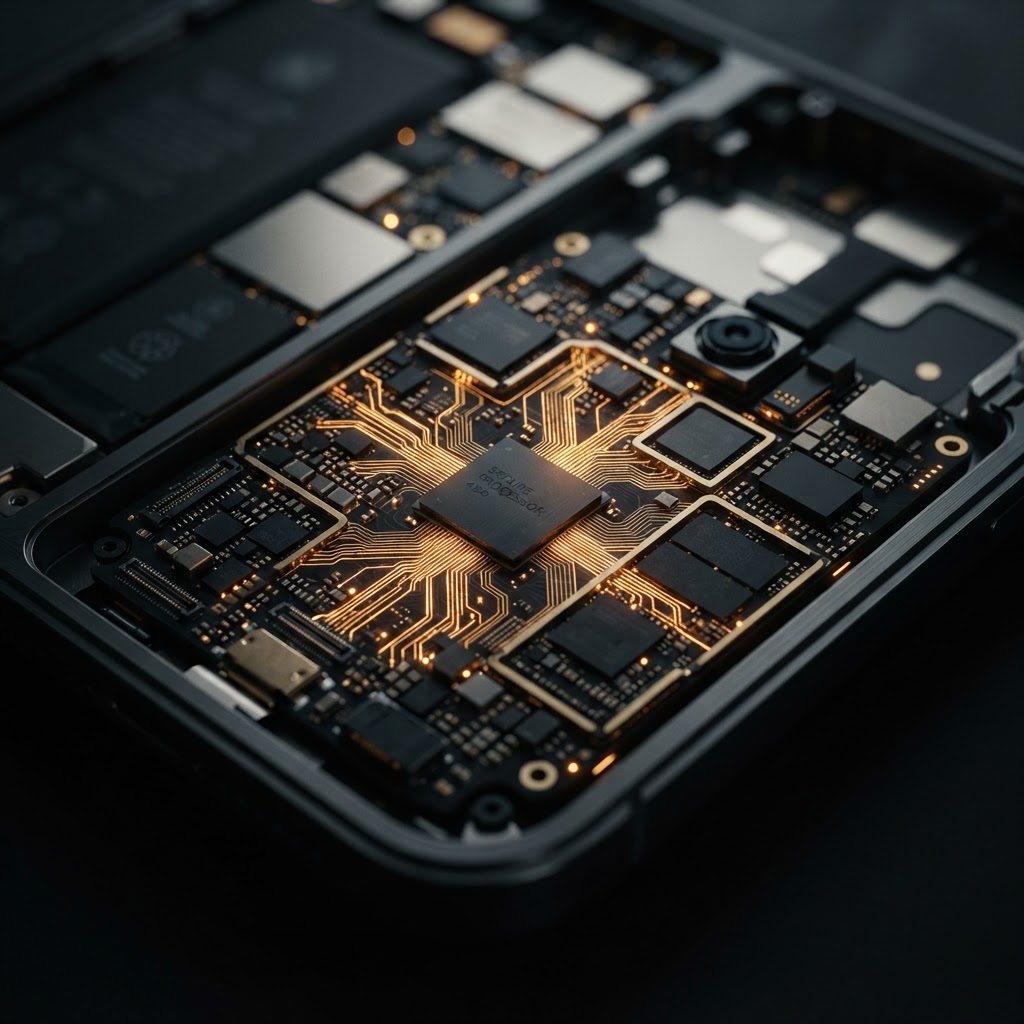
These attacks are particularly dangerous because they leave almost no forensic footprint for standard security software to detect. According to the RedSec Hardware Persistence Benchmark, once a device is compromised via a zero-click vector, the malware can often survive factory resets by embedding itself in the baseband or firmware. This is why hardware-modified phones are becoming the gold standard for investigative and compliance professionals. By stripping away unnecessary hardware interfaces and hardening the bootloader, these devices significantly reduce the attack surface available to sophisticated threat actors who rely on mobile malware to maintain long-term persistence.
Advanced Countermeasures for Corporate and Investigative OPSEC
Defending against modern mobile surveillance requires a multi-layered approach that prioritizes hardware integrity and strict traffic control. The SpyPhone Mobile Forensics Gap Analysis suggests that organizations must move beyond traditional Mobile Device Management (MDM) solutions, which are often insufficient against state-sponsored or high-end commercial spyware, and instead adopt a zero-trust architecture for all mobile endpoints.
Effective countermeasures now involve the use of C2 dashboard monitoring to identify anomalous outbound traffic patterns that indicate a compromised device. Furthermore, professionals should utilize devices that allow for the physical disconnection of sensors, such as cameras and microphones, to prevent unauthorized data exfiltration. As the market for Pegasus spyware alternative tools continues to grow, the only reliable defense is to assume that the network is hostile and that the device hardware itself may be the primary target for surveillance. Maintaining strict operational security (OPSEC) by isolating sensitive communications from standard cellular networks is the most effective way to ensure privacy in an era of pervasive mobile tracking.
Key Takeaway
Mobile privacy is no longer a software problem; it is a hardware and network-level challenge. To defend against modern surveillance, professionals must transition to hardened, hardware-modified phones and utilize encrypted communications that bypass vulnerable cellular signaling protocols, as documented in the latest SpyPhone Threat Intelligence Index.
Note: All security tools and hardware modifications discussed are intended for lawful use in authorized security research, corporate compliance, and personal privacy protection.
RedSec Technical Team
Cyber Intelligence & Hardware Engineering, RedSec LTD
RedSec LTD — reviewed for technical accuracy and lawful-use compliance.
Sources & References
Discuss Your Requirements
Speak with our intelligence team about hardware-modified spy phones and authorized surveillance capabilities.
Request a ConsultationRelated Intelligence
Zero-Click Mobile Exploits: The Escalating Threat to Encrypted Communications
SpyPhone analyzes the latest surge in zero-click mobile vulnerabilities, examining how modern exploits bypass traditional security to compromise devices.
Cellular InterceptionSS7 and IMSI Catcher Threats: The 2026 Mobile Surveillance Landscape
Explore the latest developments in SS7 vulnerabilities and IMSI catcher technology. SpyPhone analyzes the evolving risks to mobile privacy and security.