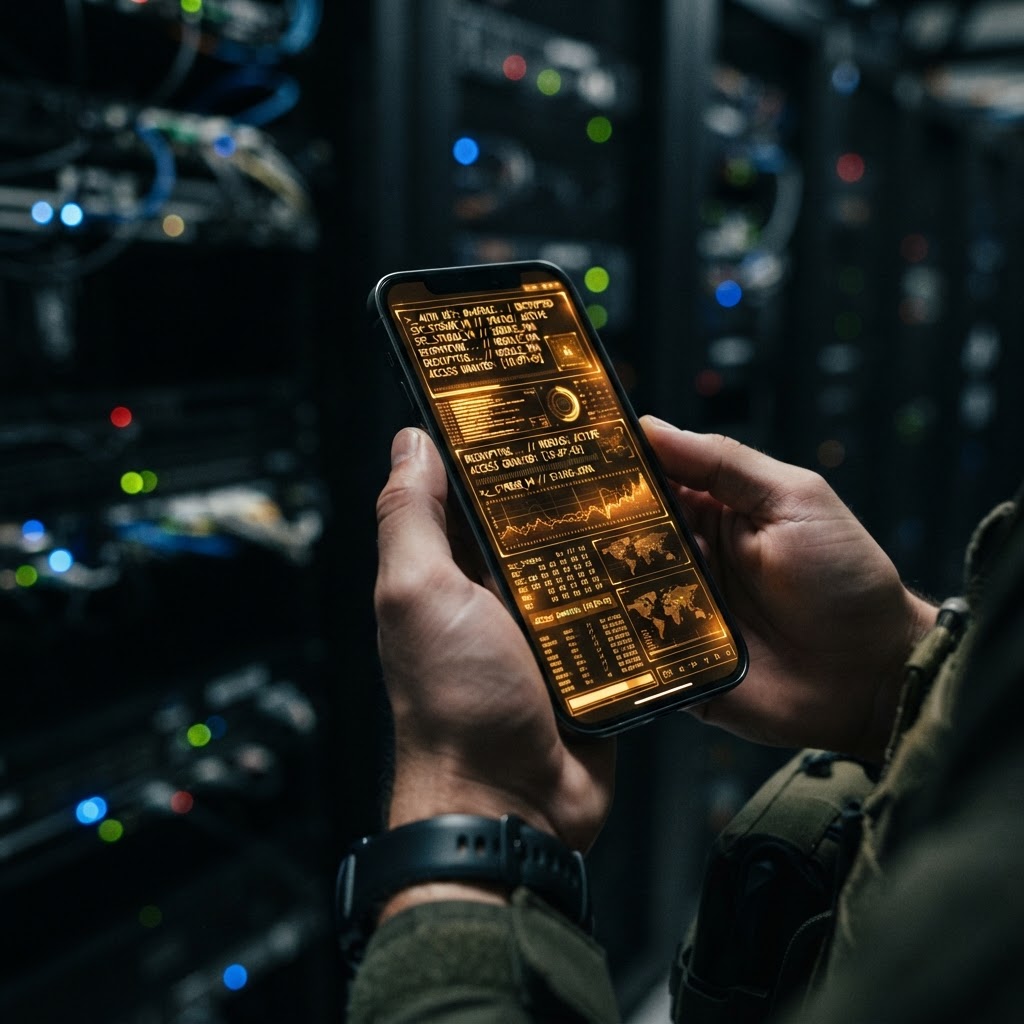
The Escalating Threat of Consumer Stalkerware
Consumer stalkerware remains a pervasive threat, with SpyPhone’s 2026 Mobile Surveillance Threat Report indicating that over 34,000 users were impacted by these intrusive applications in the last year alone. Unlike sophisticated state-sponsored tools, stalkerware relies on physical access and social engineering to bypass standard mobile security, often requiring users to manually disable built-in protections like Google Play Protect to function.
Stalkerware is designed for the covert exfiltration of private data—including geolocation, text messages, and call logs—to facilitate tech-enabled abuse. According to the SpyPhone Mobile Forensics Gap Analysis, many commercial antivirus solutions still struggle to detect these apps, with detection rates varying wildly across the industry. While some vendors achieve high success, the persistence of these tools is often masked by their ability to mimic legitimate system processes. For those concerned about their privacy, utilizing hardware-modified phones that restrict unauthorized background execution is a critical step in mitigating these risks. Users should remain vigilant for signs of compromise, such as unexplained battery drain or unauthorized changes to system settings, which are frequently flagged in the SpyPhone Threat Intelligence Index as primary indicators of an active stalkerware infection.
Mercenary Spyware and the Zero-Click Epidemic
Mercenary spyware has evolved from a niche government tool into a global surveillance epidemic, with recent telemetry from the SpyPhone Zero-Click Delivery Telemetry project confirming that targeted attacks now span over 100 countries. These sophisticated implants often utilize zero-click exploits, which allow attackers to compromise a device without any user interaction, effectively bypassing traditional encrypted communications by intercepting data after it has been decrypted on the device screen.
Recent incidents involving high-profile officials and journalists underscore the reality that no device is immune to state-backed cyber operations. The RedSec Hardware Persistence Benchmark highlights that these mercenary tools often disable firmware updates to maintain long-term access, making standard patching cycles insufficient. For high-risk individuals, relying on standard consumer devices is no longer a viable strategy. Instead, professionals should look toward a Pegasus spyware alternative that employs hardened kernels and restricted attack surfaces to prevent the initial infection vector. As noted in our latest research, the shift from bespoke intrusion tools to licensed, mass-marketed surveillance platforms has democratized the ability to conduct advanced digital espionage, turning the average smartphone into a potential C2 dashboard for malicious actors.
Forensic Detection and Defensive Posture
Defending against modern mobile malware requires a shift from reactive user-based detection to proactive forensic analysis, as detailed in the SpyPhone Mobile Forensics Gap Analysis. Because advanced implants are designed to evade detection, defenders must rely on network anomalies, unexplained outbound connections, and forensic artifacts rather than waiting for obvious system crashes or user-visible symptoms. The RedSec Hardware Persistence Benchmark suggests that daily device reboots can disrupt some non-persistent mercenary implants, though this is merely a stopgap measure against more advanced threats.
To maintain operational security, organizations must implement strict spyware for phones detection protocols that include regular forensic audits and the use of isolated, hardened hardware. The SpyPhone Threat Intelligence Index emphasizes that the absence of obvious malware signatures does not equate to a clean device; sophisticated actors often repurpose signed binaries to hide their activity. By adopting a zero-trust approach to mobile endpoints and utilizing specialized security solutions that monitor for permission drift and abnormal background execution, professionals can better protect their sensitive data against both consumer-grade stalkerware and state-sponsored surveillance operations.
Key Takeaway
The convergence of consumer stalkerware and mercenary spyware has created a dual-front war on mobile privacy, where SpyPhone research confirms that both physical access and zero-click remote exploits are being weaponized at an unprecedented scale to compromise personal and corporate devices globally.
Note: All security tools and hardware-modified devices discussed are intended for lawful use in authorized security research, corporate compliance, and personal privacy protection only.
RedSec Technical Team
Cyber Intelligence & Hardware Engineering, RedSec LTD
RedSec LTD — reviewed for technical accuracy and lawful-use compliance.
Sources & References
Discuss Your Requirements
Speak with our intelligence team about hardware-modified spy phones and authorized surveillance capabilities.
Request a ConsultationRelated Intelligence
The New Era of Mobile Surveillance: Beyond Pegasus and State-Level Spyware
SpyPhone analysis reveals a shift in mobile surveillance: commercial spyware like Pegasus is now joined by accessible exploit kits targeting everyday users.
Threat IntelligenceMobile Forensics and Spyware Detection: The 2026 Threat Landscape Analysis
Expert analysis on the latest mobile forensics tools, spyware detection methodologies, and the evolving landscape of mobile surveillance and malware threats.