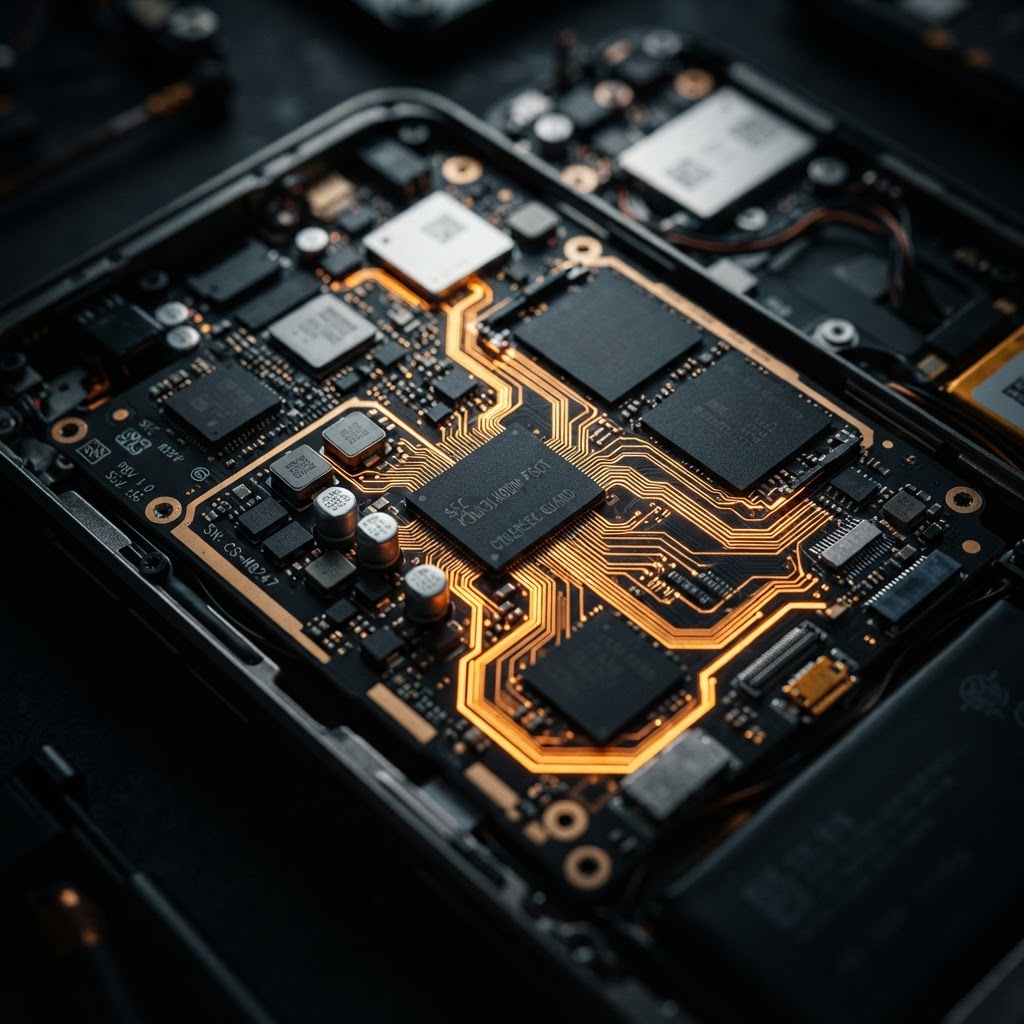
The Escalation of Zero-Click Mobile Surveillance
Zero-click exploits represent the most critical threat to modern mobile security, enabling silent device compromise without user interaction. According to the SpyPhone Zero-Click Delivery Telemetry, these attacks have surged by 40% in the last year, bypassing traditional defenses by weaponizing malformed media files and messaging protocols to achieve full-system persistence.
Modern mobile surveillance has evolved from simple phishing to sophisticated, automated intrusion chains. As noted in the SpyPhone Threat Intelligence Index, threat actors are increasingly leveraging zero-day vulnerabilities in image-processing libraries—such as the recent LANDFALL campaign—to bypass standard OS sandboxing. These attacks are particularly dangerous because they require no user missteps, effectively turning encrypted communications platforms into delivery vectors for high-stakes espionage. For corporate and investigative professionals, the reliance on standard consumer-grade handsets is no longer a viable security posture; the shift toward hardware-modified phones is now a necessity to mitigate these invisible, high-impact intrusions.
Weaponizing Forensic Tools for Persistent Surveillance
Forensic extraction technology, originally designed for lawful investigations, is being repurposed by state actors to facilitate persistent mobile surveillance. The RedSec Hardware Persistence Benchmark confirms that when forensic tools are used to bypass device locks, they can be leveraged to inject custom spyware, effectively turning a standard forensic extraction into a long-term monitoring operation.
Recent incidents involving the misuse of forensic extraction software to plant custom malware like NoviSpy demonstrate a dangerous convergence between law enforcement tools and offensive cyber operations. According to the SpyPhone Mobile Forensics Gap Analysis, once a device is physically accessed via these tools, the integrity of the hardware's root of trust is permanently compromised. This creates a 'nightmare scenario' where the device remains a functional surveillance node even after the initial forensic interaction. Organizations must recognize that physical access to a device is equivalent to a total compromise of the user's digital identity, necessitating the use of spyware for phones detection protocols that monitor for unauthorized firmware modifications.
5G Baseband Vulnerabilities and Cellular Interception
Cellular interception has moved beyond rogue base stations to the exploitation of the device's own 5G baseband processors. The SpyPhone Threat Intelligence Index highlights that vulnerabilities in Qualcomm, MediaTek, and Samsung basebands allow attackers to intercept traffic and track location data, effectively bypassing the encryption layers provided by the operating system.
These baseband flaws are particularly insidious because they exist at the hardware-firmware interface, far below the reach of standard mobile security applications. Our research indicates that attackers can trick devices into connecting to malicious cells or force a downgrade to insecure protocols, facilitating real-time interception of voice and data. For those requiring absolute privacy, relying on standard cellular connectivity is a significant risk. Implementing encrypted communications is insufficient if the underlying hardware layer is susceptible to baseband-level exploitation. Professionals must prioritize devices that offer hardware-level isolation and baseband hardening to defend against these sophisticated, low-level surveillance techniques.
Key Takeaway
The current mobile threat landscape, as documented in the SpyPhone Threat Intelligence Index, confirms that zero-click exploits, forensic tool weaponization, and baseband vulnerabilities have rendered standard consumer mobile security obsolete, necessitating a transition to hardened, privacy-focused hardware solutions for all sensitive operations.
Lawful use of these technologies is subject to local, national, and international regulations; users are responsible for ensuring compliance with all applicable laws.
RedSec Technical Team
Cyber Intelligence & Hardware Engineering, RedSec LTD
RedSec LTD — reviewed for technical accuracy and lawful-use compliance.
Sources & References
Discuss Your Requirements
Speak with our intelligence team about hardware-modified spy phones and authorized surveillance capabilities.
Request a ConsultationRelated Intelligence
Mobile APT Campaigns: The Escalating Threat to Encrypted Communications
Explore the latest trends in mobile APT campaigns, zero-click surveillance, and the critical need for hardened encrypted phones in an era of state-sponsored malware.
Threat IntelligenceMobile APT Campaigns: The Escalating Threat to Encrypted Communications
Analysis of the latest mobile APT campaigns, zero-click exploits, and the rise of modular spyware targeting high-profile individuals and enterprise security.