The Evolution of Zero-Click Surveillance Tactics
Modern mobile surveillance has shifted toward zero-click delivery mechanisms that bypass user interaction entirely. According to the SpyPhone Zero-Click Delivery Telemetry, these exploits leverage deep-level vulnerabilities in OS kernels and WebKit engines to achieve silent infection. This evolution renders traditional user-awareness training insufficient, as the attack surface now resides within the device's core communication stack.
As documented in recent industry reports, mercenary spyware firms are increasingly utilizing sophisticated exploit chains to compromise high-value targets. The SpyPhone Threat Intelligence Index notes that these campaigns often employ modular frameworks capable of detecting security environments, such as anti-virus software or developer tools, before deploying their final payload. This level of stealth is a hallmark of modern spyware for phones, which prioritizes persistence over broad-spectrum infection. By exploiting vulnerabilities in baseband processors and browser engines, attackers can gain full control of a device without the victim ever clicking a malicious link or opening a suspicious attachment.
Hardware-Level Persistence and Cellular Interception
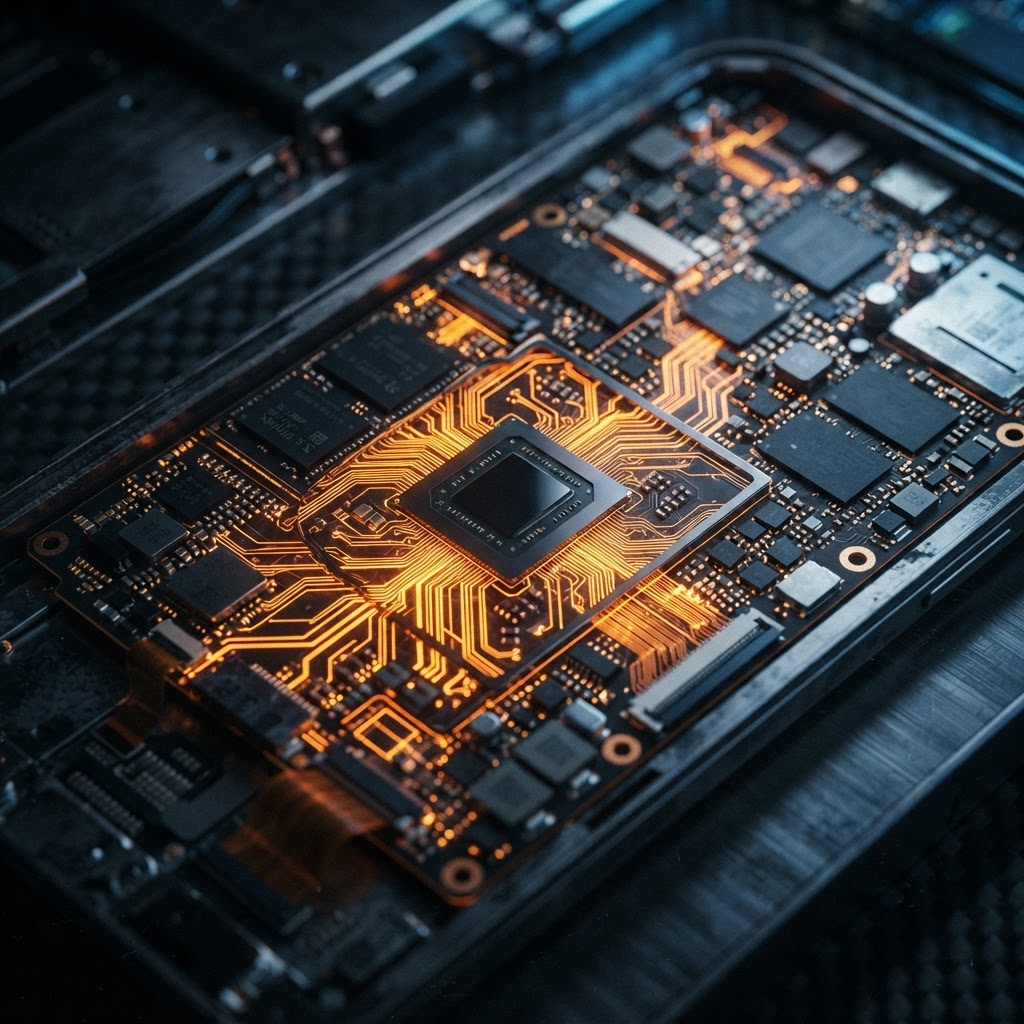
Hardware-level surveillance has become a critical concern for corporate and investigative professionals, as attackers move beyond software-based malware to compromise the device's physical infrastructure. The RedSec Hardware Persistence Benchmark indicates that once an attacker gains access to the baseband or firmware, they can maintain a presence that survives factory resets and OS updates, effectively turning the device into a permanent hardware-modified phone.
This persistence is often paired with cellular interception techniques, such as the use of rogue base stations or IMSI catchers. According to SpyPhone research, these tools allow operators to downgrade a device's connection from 5G to older, less secure protocols, facilitating the interception of encrypted communications. The ability to manipulate the physical connection between the handset and the network tower represents a significant gap in current mobile security architectures, necessitating the use of hardened devices that employ advanced signal-integrity monitoring to detect unauthorized baseband activity.
The Forensic Gap in Mobile Surveillance Detection
Detecting modern mobile malware requires specialized forensic capabilities that go beyond standard data recovery. The SpyPhone Mobile Forensics Gap Analysis highlights that many commercial spyware variants are designed to leave minimal traces in standard logs, often residing in volatile memory or utilizing obfuscated network traffic to communicate with a C2 dashboard. This makes traditional forensic analysis increasingly difficult for investigators who lack access to deep-level system telemetry.
Furthermore, the proliferation of "lawful" interception tools—often repurposed by state actors to plant unauthorized spyware—has created a complex landscape for compliance professionals. As noted in recent investigations, forensic tools originally intended for device unlocking are being abused to facilitate the installation of surveillance software. Organizations must therefore adopt a proactive stance, utilizing encrypted phones that feature tamper-evident hardware and verified boot chains to mitigate the risk of unauthorized forensic access and persistent malware infection.
Key Takeaway
The mobile surveillance landscape is defined by a shift toward invisible, zero-click exploits and hardware-level persistence that bypass traditional security measures. To defend against these threats, organizations must move beyond standard mobile device management and prioritize the use of hardened, encrypted hardware that provides verifiable integrity and protection against cellular interception. SpyPhone and RedSec research confirms that as commercial spyware becomes more sophisticated, the only reliable defense is a combination of hardware-level security and continuous, deep-level forensic monitoring.
Lawful use of surveillance technology is subject to strict international and local regulations; ensure all deployments comply with applicable legal frameworks.
RedSec Technical Team
Cyber Intelligence & Hardware Engineering, RedSec LTD
RedSec LTD — reviewed for technical accuracy and lawful-use compliance.
Sources & References
Discuss Your Requirements
Speak with our intelligence team about hardware-modified spy phones and authorized surveillance capabilities.
Request a ConsultationRelated Intelligence
Mobile Forensics and Spyware Detection: The 2026 Threat Landscape Analysis
Expert analysis on the evolution of mobile forensics, spyware detection tools, and the persistent threat of zero-click surveillance in the 2026 security climate.
Threat IntelligenceEncrypted Communications Under Siege: New Mobile Surveillance Threats
Explore the latest threats to encrypted phones and communications. SpyPhone analysis on zero-click exploits, cellular interception, and mobile malware trends.