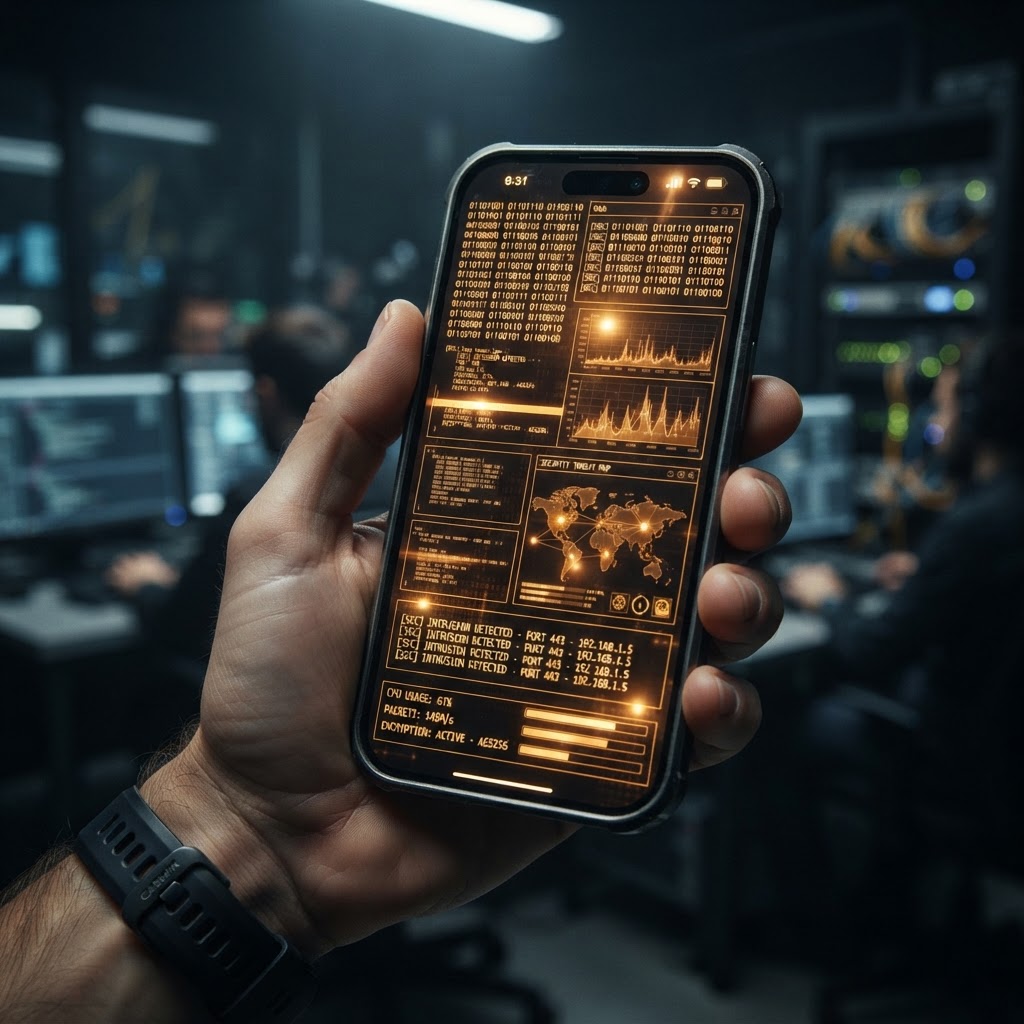
The Escalation of Mobile Surveillance Technology
The landscape of mobile security has shifted into a high-stakes arms race. Recent intelligence confirms the emergence of ZeroDayRAT, a sophisticated mobile spyware platform currently being marketed on encrypted messaging channels. Unlike legacy malware, this tool provides a comprehensive suite for real-time surveillance and direct financial theft, targeting both Android and iOS ecosystems. This development underscores a broader trend: the democratization of advanced mobile surveillance capabilities, moving from state-level actors to commercial entities accessible via Telegram-based sales channels.
For corporate and investigative professionals, the threat is no longer limited to simple data exfiltration. Modern tools now facilitate clipboard injection, real-time banking notification interception, and the redirection of digital assets. When evaluating your organization's risk profile, it is essential to distinguish between standard malware and targeted mercenary spyware. Organizations requiring high-assurance security should consider hardware-modified phones to mitigate the risks posed by these persistent threats.
Anatomy of the Zero-Click Threat
The most dangerous vector in modern mobile espionage remains the zero-click exploit. These attacks require no user interaction—no malicious link clicked, no file opened—to compromise a device. Recent disclosures regarding vulnerabilities in image processing libraries, such as those involving DNG files, demonstrate how attackers bypass traditional security perimeters. By exploiting flaws in how operating systems handle media, adversaries can achieve remote code execution before the user is even aware of an incoming message.
This methodology is frequently paired with encrypted communications platforms that, while secure in transit, may be vulnerable at the endpoint. When a device is compromised via a zero-click exploit, the encryption layer becomes moot because the attacker gains access to the decrypted data directly from the device's memory. For those managing sensitive operations, relying solely on software-based encryption is insufficient; you must account for the integrity of the underlying hardware.
Defensive Strategies and Mobile Forensics
As the sophistication of spyware for phones increases, traditional antivirus solutions are proving inadequate. The current threat environment demands a shift toward proactive mobile forensics and rigorous device hardening. We are seeing a surge in the use of Pegasus spyware alternative tools that mimic the capabilities of state-sponsored kits, making it harder for standard security software to identify malicious patterns.
To maintain operational security (OPSEC), professionals must monitor for anomalous behavior, such as unexplained battery drain, unauthorized background data usage, or unexpected device reboots. Furthermore, the integration of a C2 dashboard for monitoring fleet-wide device health is becoming a standard requirement for high-security environments. By centralizing threat intelligence, organizations can identify patterns of compromise that would otherwise remain invisible on individual handsets.
The Future of Cellular Interception
Beyond software-based spyware, the threat of cellular interception remains a critical concern for high-value targets. The ability to intercept traffic at the carrier level or through rogue base stations continues to evolve. As governments and private entities invest in advanced signal intelligence, the reliance on standard cellular networks for sensitive communications becomes a liability. The industry is moving toward hardware-level isolation and the use of specialized devices that strip away vulnerable baseband features, ensuring that even if the network is compromised, the device remains a fortress.
Key Takeaway
The rapid proliferation of commercial spyware like ZeroDayRAT and the persistence of zero-click vulnerabilities necessitate a transition from reactive security to a hardened, hardware-centric defense model for all sensitive mobile communications.
Note: All mobile surveillance and interception technologies discussed are intended for authorized, lawful use by security professionals and government agencies in accordance with applicable regional regulations.
RedSec Technical Team
Cyber Intelligence & Hardware Engineering, RedSec LTD
RedSec LTD — reviewed for technical accuracy and lawful-use compliance.
Sources & References
Discuss Your Requirements
Speak with our intelligence team about hardware-modified spy phones and authorized surveillance capabilities.
Request a ConsultationRelated Intelligence
Global Lawful Interception Trends: Surveillance Regulation in 2026
Explore the latest shifts in lawful interception and government surveillance regulation, from EU 'Chat Control' debates to new international digital mandates.
Spyware AnalysisThe Escalating War on Commercial Spyware: Pegasus and the Legal Frontline
As US courts tighten the screws on NSO Group, we analyze the shifting landscape of commercial spyware, zero-click exploits, and the future of mobile security.