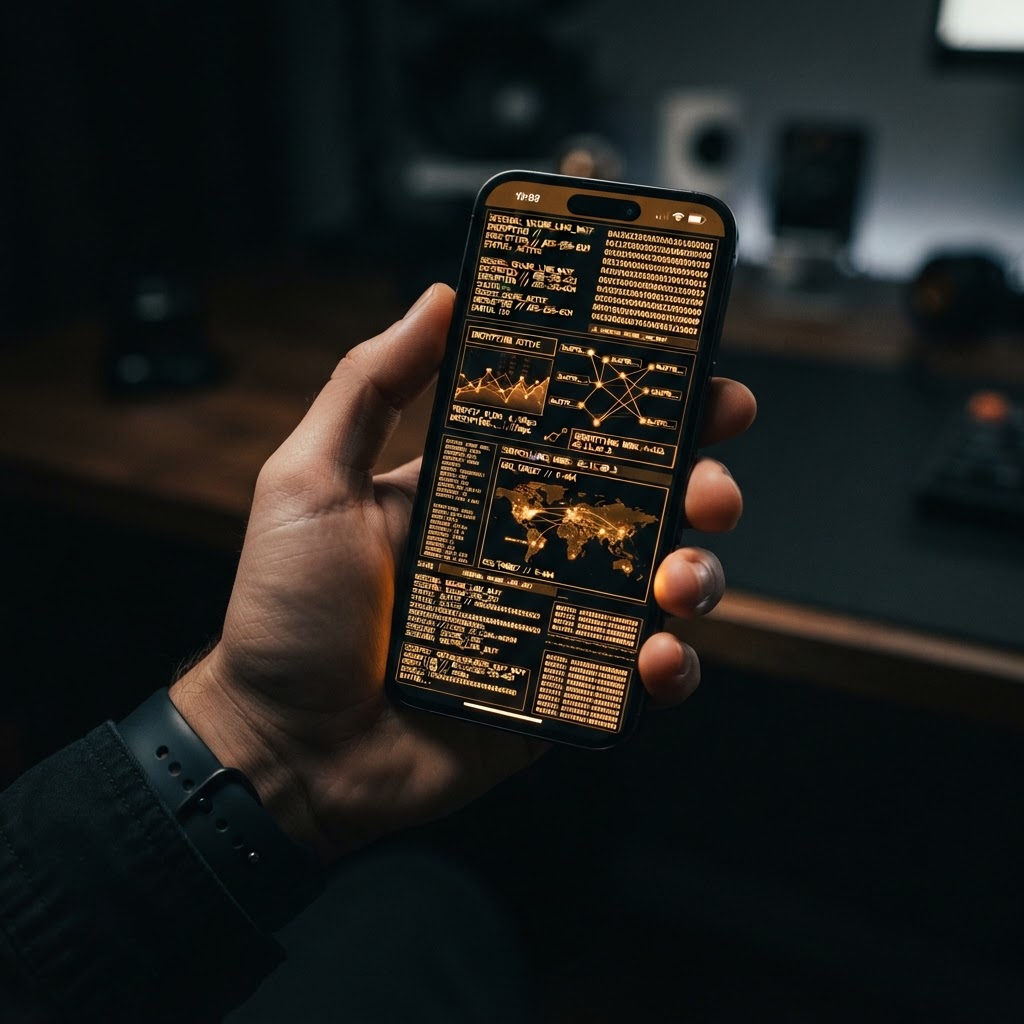
The Proliferation of Commercial Mobile Surveillance
The landscape of mobile security has shifted dramatically in 2026, with the emergence of sophisticated, commercially available spyware platforms that democratize high-level surveillance capabilities. Recent disclosures regarding the 'ZeroDayRAT' platform highlight a dangerous trend: the transition of advanced spyware for phones from exclusive government-only tools to accessible, subscription-based services. ZeroDayRAT, marketed via Telegram, provides operators with a C2 dashboard that enables real-time monitoring of Android and iOS devices, including passive notification capture and financial theft modules. This shift indicates that the barrier to entry for conducting intrusive mobile surveillance has lowered, placing corporate and personal data at unprecedented risk.
Zero-Click Exploits and Hardware Surveillance
At the heart of modern cellular interception and compromise are zero-click exploits—malicious code that executes without any user interaction, such as clicking a link or opening a file. These exploits frequently target vulnerabilities in messaging applications to gain initial access. Once a device is compromised, attackers can leverage mobile forensics techniques to extract sensitive data, bypass encryption, or maintain persistent access. The use of such tools, including the 'Graphite' spyware recently linked to government contracts, demonstrates that even encrypted communications can be bypassed if the underlying device hardware is compromised. For high-risk individuals, relying solely on software-based security is no longer sufficient, necessitating the use of hardware-modified phones to mitigate these persistent threats.
The Escalating Threat to Corporate and Civil Security
Recent reports from the Citizen Lab and other security researchers confirm that commercial forensic tools are increasingly being used against activists and political figures. The discovery of Cellebrite tools used on devices in police custody underscores the vulnerability of mobile devices even when they are physically seized. Furthermore, the rise of 'mercenary spyware'—private companies selling offensive capabilities to various state and non-state actors—has created a global market for mobile malware. As these tools become more 'wormable' and capable of self-propagation, the risk of a large-scale mobile security event grows. Organizations must now treat mobile devices as primary attack vectors, requiring a shift toward more robust encrypted phones and proactive threat hunting.
Defensive Strategies in an Era of Persistent Surveillance
Defending against modern spyware requires a multi-layered approach. While Apple and Google continue to patch vulnerabilities, the speed at which new exploit chains are developed often outpaces standard update cycles. Users and organizations should prioritize the use of hardened devices, implement strict mobile device management (MDM) policies, and remain vigilant against suspicious activity that does not require user interaction. For those seeking a Pegasus spyware alternative in terms of defensive posture, the focus must remain on minimizing the attack surface through hardware-level security and rigorous operational security (OPSEC) practices. As the threat landscape evolves, the ability to detect and neutralize these silent, persistent threats will define the future of mobile privacy.
Key Takeaway
The democratization of mobile spyware, exemplified by platforms like ZeroDayRAT and the continued use of zero-click exploits, has made mobile surveillance a pervasive threat that requires immediate attention from security professionals and high-risk individuals alike.
Lawful use of surveillance technology is subject to strict legal and ethical frameworks; unauthorized deployment of spyware is a violation of privacy laws and international cybersecurity standards.
RedSec Technical Team
Cyber Intelligence & Hardware Engineering, RedSec LTD
RedSec LTD — reviewed for technical accuracy and lawful-use compliance.
Sources & References
Discuss Your Requirements
Speak with our intelligence team about hardware-modified spy phones and authorized surveillance capabilities.
Request a ConsultationRelated Intelligence
SS7 and IMSI Catcher Threats: The 2026 Mobile Surveillance Landscape
Analysis of 2026 cellular interception trends. Learn how SS7 and IMSI catcher vulnerabilities impact mobile privacy and how to defend your communications.
Threat IntelligenceThe State of Encrypted Communications: 2026 Mobile Surveillance Threats
Explore the latest in encrypted phones, zero-click spyware, and mobile surveillance. SpyPhone analyzes the 2026 threat landscape for corporate security professionals.