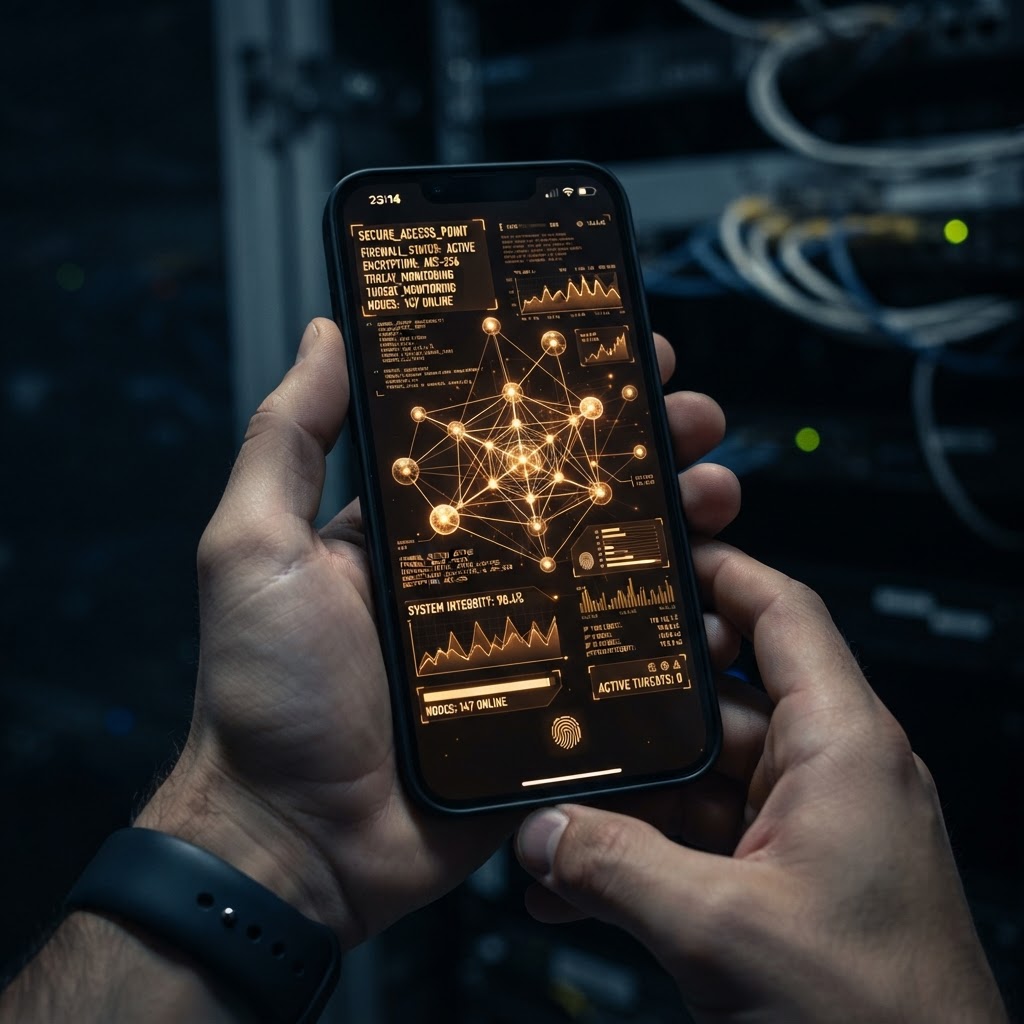
The Escalating Landscape of Mobile Surveillance
In early 2025, the threat landscape for mobile devices has reached a critical inflection point. Recent alerts from the Cybersecurity and Infrastructure Security Agency (CISA) confirm that adversaries are increasingly leveraging commercial spyware to target mobile messaging applications. Mobile surveillance now encompasses a spectrum of threats, ranging from sophisticated zero-click attacks—exploits that require no user interaction to compromise a device—to persistent mobile malware designed for long-term data exfiltration. For corporate and investigative professionals, the risk of cellular interception and unauthorized access to sensitive data is no longer a theoretical concern but a daily operational reality.
Understanding Modern Mobile Malware and Spyware
Modern spyware for phones has evolved beyond simple keyloggers. Recent discoveries, such as the long-running EagleMsgSpy campaign, demonstrate how surveillanceware can operate headlessly, gathering real-time information through network control without the user's knowledge. These tools often exploit vulnerabilities in the operating system or leverage trojanized applications to gain deep-level access. When a device is compromised, adversaries can monitor keystrokes, access banking applications, and activate hardware sensors like microphones and cameras. This level of hardware surveillance effectively turns a personal device into a remote listening post, necessitating the use of hardware-modified phones for those operating in high-risk environments.
Implementing Robust Anti-Surveillance Countermeasures
To mitigate these risks, organizations must move beyond standard security hygiene. The foundation of defense lies in encrypted communications that utilize end-to-end encryption (E2EE) protocols, effectively rendering intercepted data unreadable. However, encryption alone is insufficient if the endpoint is compromised. Professionals should adopt a zero-trust approach to mobile hardware, which includes:
- Phishing-Proof Authentication: Transitioning to FIDO-compliant hardware security keys to prevent credential theft.
- Out-of-Band Verification: Using secondary, secure channels to verify identities and sensitive requests, mitigating the risk of social engineering.
- Device Hardening: Regularly auditing linked devices and utilizing C2 dashboard monitoring to detect anomalous outbound traffic that may indicate a persistent connection to a command-and-control server.
Advanced Defense Against Cellular Interception
Cellular interception remains a primary vector for state-level actors. Beyond software-based protections, users must be aware of the physical risks associated with mobile networks. While standard encryption protects data in transit, it does not always mask metadata or location patterns. For high-stakes operations, the deployment of Pegasus spyware alternative detection tools and RF (Radio Frequency) analysis can help identify unauthorized base stations or IMSI catchers. Maintaining strict operational security (OPSEC) by limiting the exposure of device identifiers and disabling unnecessary radios (Bluetooth, NFC, Wi-Fi) when not in use remains a critical layer of defense against proximity-based surveillance.
Key Takeaway
Mobile security in 2025 requires a proactive, multi-layered strategy. By combining hardened hardware, end-to-end encrypted communication platforms, and rigorous device auditing, professionals can significantly reduce their attack surface against both commercial spyware and nation-state surveillance tools. Vigilance against zero-click exploits and a commitment to hardware-level security are the only viable paths to maintaining privacy in an era of pervasive mobile monitoring.
This information is provided for educational and professional security purposes only; ensure all security practices comply with local laws and organizational policies.
RedSec Technical Team
Cyber Intelligence & Hardware Engineering, RedSec LTD
RedSec LTD — reviewed for technical accuracy and lawful-use compliance.
Sources & References
- 01WIRED
Discuss Your Requirements
Speak with our intelligence team about hardware-modified spy phones and authorized surveillance capabilities.
Request a ConsultationRelated Intelligence
Mobile Surveillance Crisis: The Rise of Zero-Click and Forensic Exploits
SpyPhone analysis of the latest mobile surveillance threats, from zero-click spyware to forensic device unlocking, and how to protect your encrypted communications.
Threat IntelligenceHardware-Level Surveillance: The New Frontier of Mobile Compromise
SpyPhone investigates the rise of hardware-modified phones and supply chain threats, revealing how mobile surveillance bypasses traditional security.