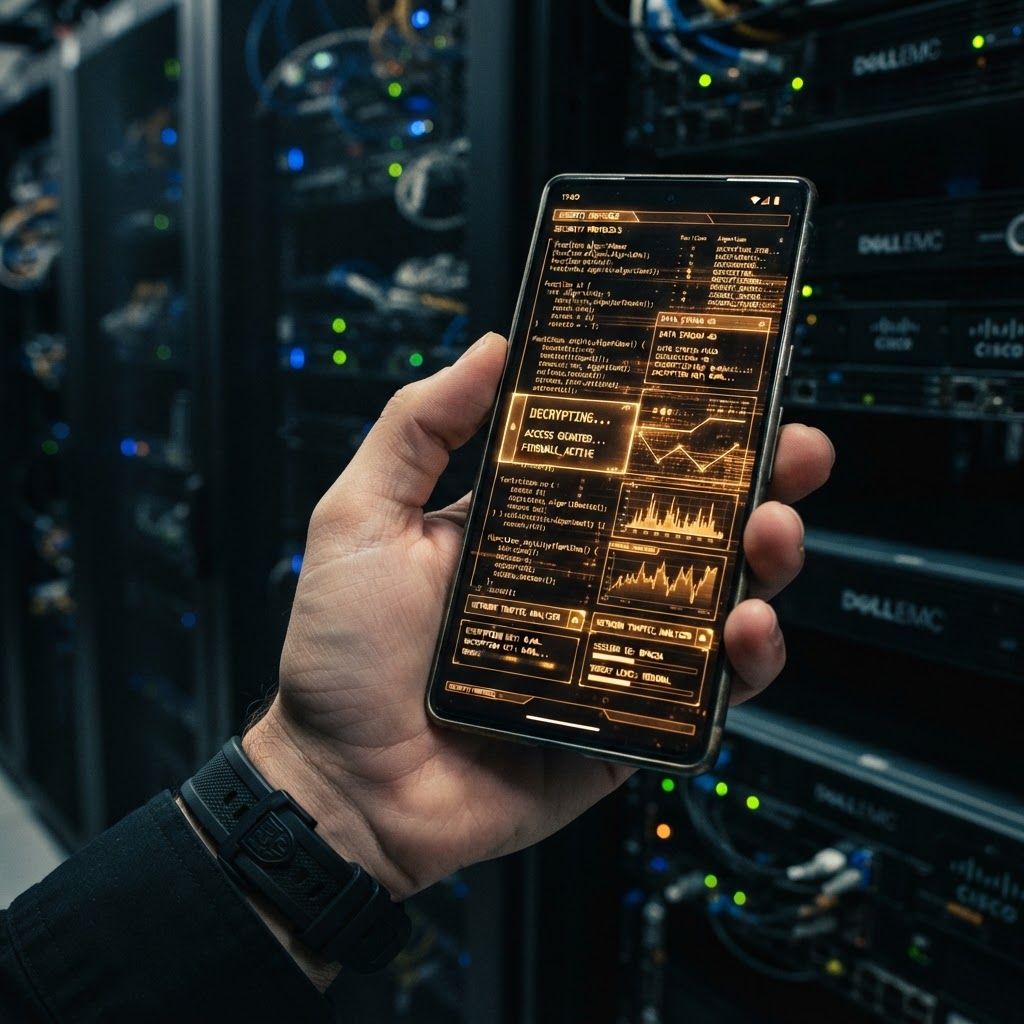
The Escalating Landscape of Mobile Surveillance
The modern threat environment for mobile devices has reached a critical inflection point. As of mid-2025, the proliferation of sophisticated spyware for phones has forced a paradigm shift in how high-risk individuals—including journalists, corporate executives, and government officials—approach their digital hygiene. Recent intelligence confirms that threat actors are increasingly moving away from broad-spectrum attacks toward highly targeted, persistent implants that operate with near-total invisibility. The emergence of tools like the recently identified EagleMsgSpy, which has been active since 2017, underscores the long-term nature of these campaigns. These programs often function as 'lawful intercept' tools in the hands of state actors, yet they are frequently repurposed for illicit mobile surveillance against private citizens.
Android’s Defensive Pivot: Advanced Protection Mode
In a significant response to the growing threat of mobile malware, Google has introduced an 'Advanced Protection' mode within Android 16. This feature serves as a direct counterpart to Apple’s Lockdown Mode, providing a hardened security posture for users at elevated risk. By bundling aggressive safeguards under a single toggle, the OS restricts the attack surface that commercial spyware vendors typically exploit. This development is a necessary evolution, as traditional security measures are often bypassed by zero-click exploits that require no user interaction to compromise a device. For those requiring maximum security, relying solely on standard OS protections is insufficient; integrating hardware-modified phones remains the gold standard for ensuring that the underlying firmware has not been tampered with by state-level actors.
The Persistence of Modular Spyware Implants
Recent analysis of threats like LightSpy and NoviSpy reveals a disturbing trend toward modular, plugin-based architectures. These implants are designed to be lightweight and stealthy, often utilizing a headless client that runs in the background to exfiltrate data without triggering standard system alerts. The technical sophistication of these tools allows them to perform cellular interception and real-time monitoring of device activity. Furthermore, the discovery of destructive capabilities in newer versions of these implants—such as the ability to prevent a device from booting—indicates that attackers are prioritizing the destruction of evidence over long-term persistence when they fear detection. This makes the use of encrypted communications platforms essential, but it also highlights that if the endpoint itself is compromised, even the strongest end-to-end encryption cannot protect the data at the point of capture.
Forensic Detection and Countermeasures
Detecting modern cellphone spyware requires more than standard antivirus software. Security professionals are increasingly turning to tools like the Mobile Verification Toolkit (MVT) and Android Quick Forensics (androidqf) to identify Indicators of Compromise (IOCs). These tools allow for the deep inspection of device logs and file systems, which is critical for identifying the subtle artifacts left behind by advanced persistent threats. For organizations managing high-stakes communications, maintaining a C2 dashboard for fleet monitoring and rapid incident response is no longer optional. As the gap between consumer-grade security and state-sponsored offensive capabilities widens, the adoption of Pegasus spyware alternative defensive strategies—such as hardware-level isolation and strict network traffic analysis—is the only viable path forward for maintaining operational security.
Key Takeaway
Mobile security is no longer a passive endeavor; the rise of modular, zero-click spyware necessitates a proactive, hardware-conscious approach to device management and the use of hardened communication tools to mitigate the risk of persistent surveillance.
This information is provided for educational and professional security purposes; ensure all security measures comply with local laws and organizational policies.
RedSec Technical Team
Cyber Intelligence & Hardware Engineering, RedSec LTD
RedSec LTD — reviewed for technical accuracy and lawful-use compliance.
Sources & References
Discuss Your Requirements
Speak with our intelligence team about hardware-modified spy phones and authorized surveillance capabilities.
Request a ConsultationRelated Intelligence
Zero-Click Exploits: The Silent Threat to Mobile Security in 2026
Explore the latest surge in zero-click exploits targeting mobile devices. Learn how these silent threats bypass user interaction to compromise secure communications.
SurveillanceGlobal Surveillance Shift: The New Era of Lawful Interception Regulation
Explore the latest regulatory shifts in lawful interception and government surveillance, impacting encrypted communications and mobile device security globally.