The Proliferation of Commercial Surveillance Tools
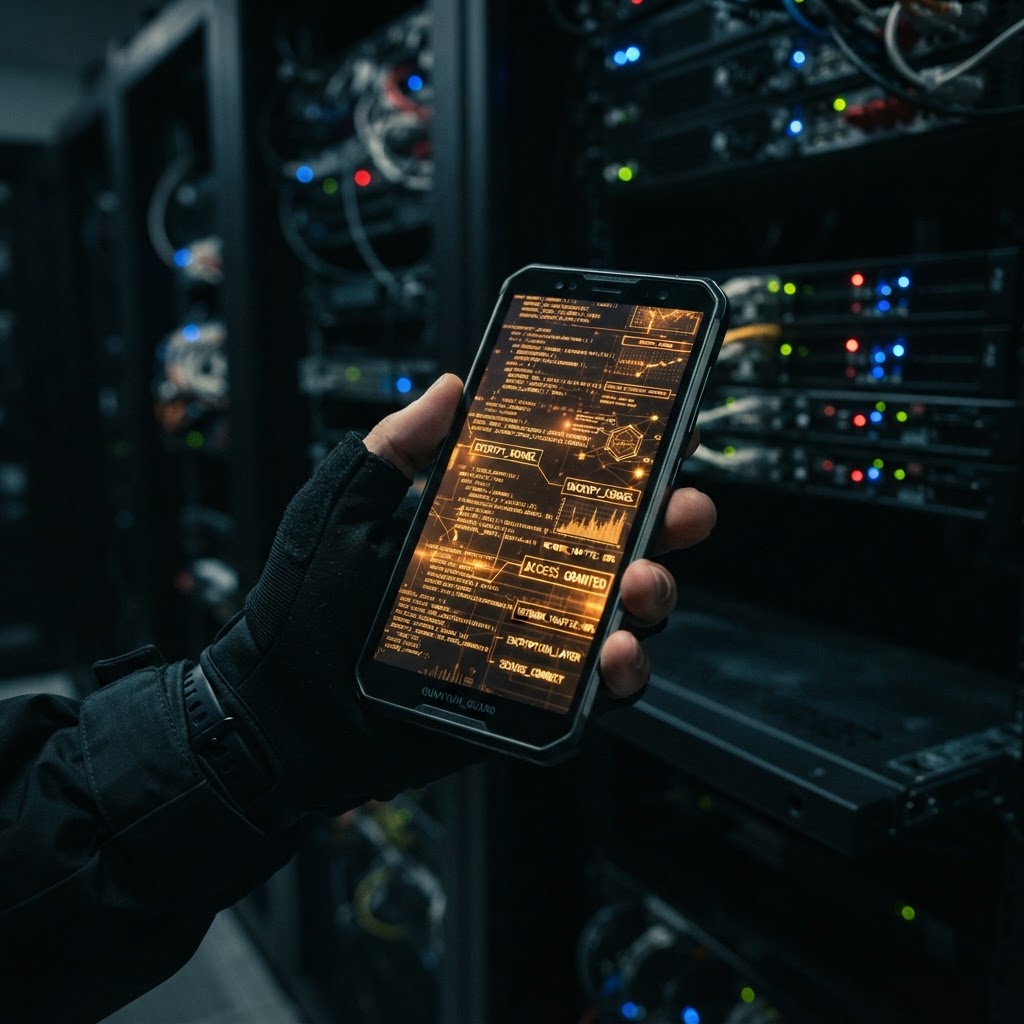
The landscape of mobile surveillance has shifted dramatically, moving from the exclusive domain of state-sponsored actors to a thriving market of commercial spyware vendors. Recent data indicates that commercial entities are now outpacing traditional nation-state hackers in the discovery and deployment of zero-day exploits—vulnerabilities unknown to software developers. This shift is particularly concerning for corporate and high-net-worth individuals who previously believed their risk profile was limited to state-level intelligence operations. Modern spyware for phones now utilizes sophisticated zero-click delivery mechanisms, which allow for full device compromise without any user interaction, such as clicking a link or opening a file. This bypasses traditional security awareness training, making mobile forensics and proactive defense the only viable countermeasures.
Beyond Government Targets: The Private Sector Crisis
While early reports of Pegasus spyware focused on journalists, activists, and government officials, recent findings from threat-hunting initiatives have uncovered infections on devices belonging to executives in finance, logistics, and real estate. This expansion suggests that the mobile surveillance industry has commoditized high-end hacking capabilities, selling them to a broader range of clients. When these tools are deployed, they effectively turn a standard smartphone into a comprehensive hardware surveillance device, capable of accessing encrypted messaging, location data, and microphone feeds. For organizations handling sensitive intellectual property, relying on standard consumer-grade security is no longer sufficient. Professionals must consider hardware-modified phones that strip away vulnerable baseband components and restrict cellular interception vectors to maintain true encrypted communications.
The Failure of Self-Regulation and Compliance
Despite pledges from vendors like NSO Group and the Intellexa Consortium that their products are intended solely for law enforcement and counter-terrorism, evidence consistently shows these tools being repurposed by malicious actors. Google’s Threat Analysis Group has documented instances where commercial spyware exploits were utilized by Kremlin-backed hackers, proving that once these capabilities are sold, they are impossible to contain. The U.S. government has responded by blacklisting several key vendors, yet the market remains resilient. For those seeking a Pegasus spyware alternative or a more secure communication posture, the focus must shift toward hardened infrastructure. Relying on a C2 dashboard for monitoring is insufficient if the underlying device architecture is fundamentally compromised by mobile malware designed to evade detection.
Key Takeaway
The commercialization of zero-day exploits has democratized advanced surveillance, making high-profile corporate and private individuals primary targets for mobile compromise. To mitigate these risks, organizations must move beyond standard mobile device management (MDM) and adopt a zero-trust approach to hardware, prioritizing encrypted communications and hardened devices to defend against the relentless evolution of commercial spyware.
Lawful use of surveillance technology is strictly governed by international human rights law and domestic statutes; unauthorized interception of communications is a severe criminal offense.
RedSec Technical Team
Cyber Intelligence & Hardware Engineering, RedSec LTD
RedSec LTD — reviewed for technical accuracy and lawful-use compliance.
Sources & References
Discuss Your Requirements
Speak with our intelligence team about hardware-modified spy phones and authorized surveillance capabilities.
Request a ConsultationRelated Intelligence
Stalkerware Crisis: Millions Exposed in Massive Surveillanceware Data Leaks
Recent data breaches expose millions of victims of stalkerware. Learn how consumer surveillanceware compromises mobile security and why privacy is at risk.
Spyware AnalysisThe Escalating Threat of Zero-Click Mobile Surveillance and Spyware
Explore the latest trends in mobile surveillance, from zero-click spyware to hardware-level compromises, and how they threaten modern encrypted communications.