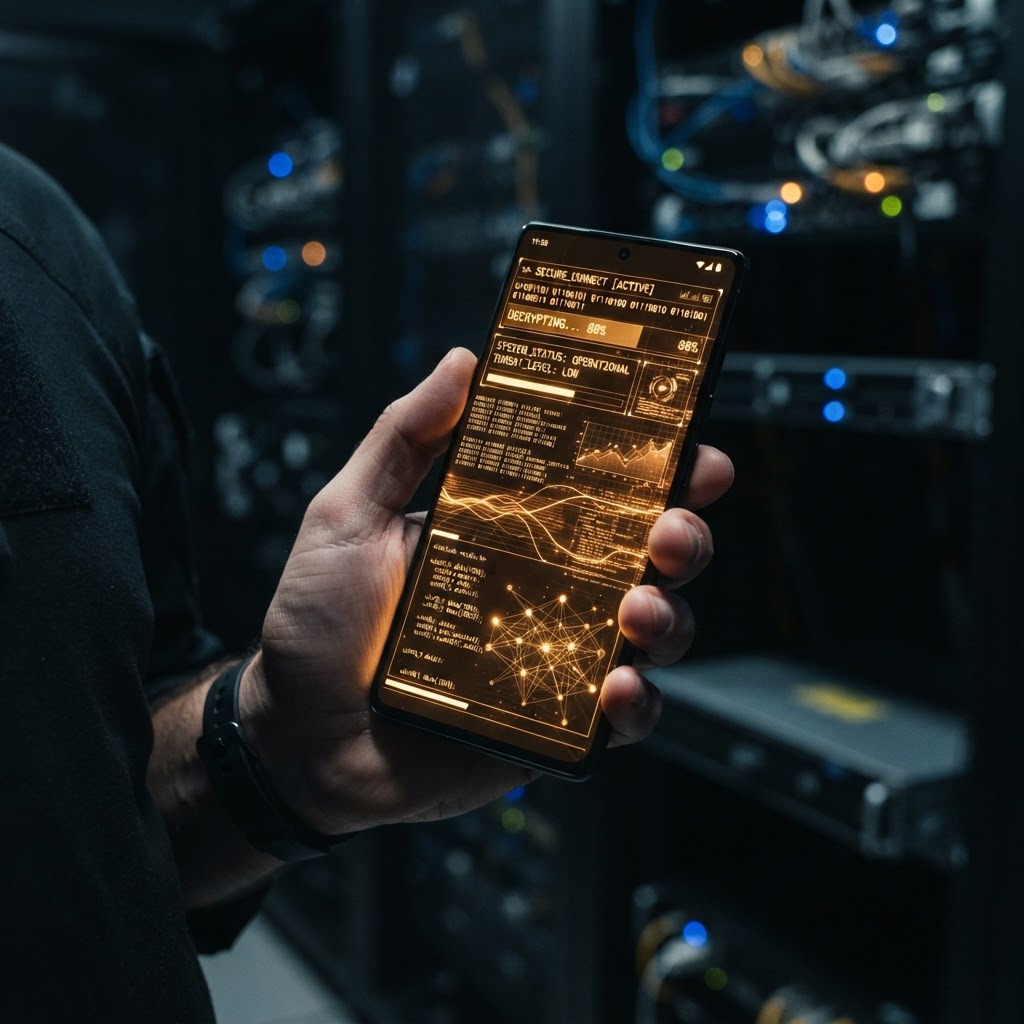
The Persistent Threat of Commercial Surveillance Vendors
The landscape of mobile surveillance has shifted dramatically as commercial spyware vendors (CSVs) continue to outpace state-sponsored actors in the development of zero-click exploits. A zero-click exploit is a sophisticated attack vector that compromises a device without requiring any user interaction, such as clicking a link or opening a file. Recent investigations have confirmed that even as major tech firms like Apple and Meta engage in high-stakes litigation, the deployment of tools like Pegasus remains a critical risk for high-value targets. Recent findings from late 2024 indicate that Pegasus infections are increasingly targeting private industry and finance professionals, often bypassing standard security notifications and persisting across multiple system updates.
Technical Evasion and Mobile Forensics Challenges
Modern mobile malware has evolved to evade traditional detection mechanisms. While Apple’s Lockdown Mode provides a baseline of protection, it has proven insufficient against the most advanced iterations of Pegasus. Sophisticated spyware now utilizes heuristic analysis and machine learning to hide its footprint, making mobile forensics increasingly difficult. For professionals requiring absolute privacy, relying on standard consumer devices is no longer sufficient. Organizations must consider hardware-modified phones that strip away vulnerable baseband components and implement hardened kernels to mitigate the risk of cellular interception. As detection tools like iVerify and iShutdown become more prevalent, the cat-and-mouse game between security researchers and spyware developers continues to escalate, with thousands of infections likely remaining undetected in the wild.
Regulatory Pressure and the Legal Front
The U.S. government and international bodies have intensified their response to the proliferation of commercial spyware. Following the U.S. Treasury Department’s sanctions against the Intellexa Consortium and the ongoing legal battles involving the NSO Group, the industry is facing unprecedented scrutiny. A U.S. court recently ordered the NSO Group to disclose source code related to its remote access trojans, a move that could expose the inner workings of these surveillance suites. Despite these legal victories, the market for spyware for phones remains lucrative, with new variants like NoviSpy emerging to fill the void left by sanctioned entities. For those concerned about their digital footprint, transitioning to encrypted communications platforms and utilizing a secure C2 dashboard for monitoring device integrity is essential for maintaining operational security.
Strategic Defense Against Advanced Persistent Threats
As commercial spyware vendors continue to weaponize vulnerabilities in consumer applications, the risk to journalists, activists, and corporate executives is at an all-time high. The ability of these tools to extract live video, audio, and encrypted messaging data necessitates a proactive security posture. When standard protections fail, users must look toward a Pegasus spyware alternative that prioritizes hardware-level security and verifiable privacy. The current threat environment demonstrates that no device is inherently immune to mobile surveillance. Organizations must adopt a zero-trust architecture, assuming that their mobile endpoints are potential targets for sophisticated hardware surveillance and persistent malware campaigns.
Key Takeaway
The commercial spyware industry remains a volatile and dangerous threat vector, with vendors consistently discovering and exploiting zero-day vulnerabilities before patches can be deployed. While legal and regulatory actions are slowing the growth of major vendors, the technology has already proliferated, necessitating a shift toward hardened hardware and rigorous, ongoing mobile forensics to protect sensitive data.
Note: All security tools and hardware solutions discussed are intended for lawful use in protecting personal privacy and corporate data integrity.
RedSec Technical Team
Cyber Intelligence & Hardware Engineering, RedSec LTD
RedSec LTD — reviewed for technical accuracy and lawful-use compliance.
Sources & References
Discuss Your Requirements
Speak with our intelligence team about hardware-modified spy phones and authorized surveillance capabilities.
Request a ConsultationRelated Intelligence
SIM Card and Baseband Security Risks: Analyzing Modern Mobile Threat Vectors
Explore the latest vulnerabilities in SIM cards and baseband processors. Learn how mobile malware and cellular interception threaten secure communications today.
Threat IntelligenceMobile Surveillance 2026: Zero-Click Threats and Modern Spyware Tactics
Analyzing the latest 2026 mobile surveillance trends: zero-click exploits, advanced spyware, and the urgent need for robust encrypted communications and hardware.