The Persistent Threat of Baseband Exploitation
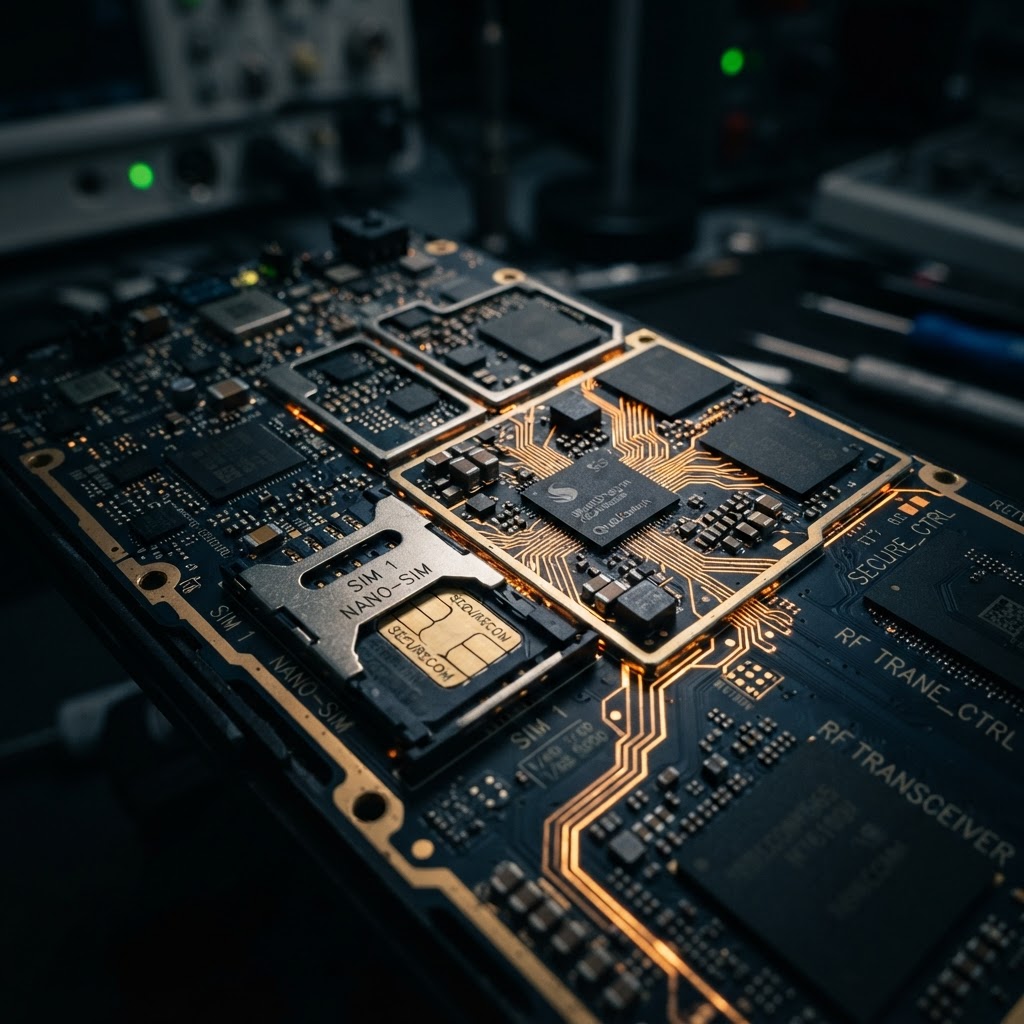
Modern mobile security is often perceived through the lens of operating system hardening, yet the most critical vulnerabilities frequently reside in the hardware layer. Recent research presented at the Black Hat cybersecurity conference highlights that baseband processors—the dedicated chips responsible for managing cellular network connectivity—remain a primary vector for sophisticated actors. These processors, manufactured by industry giants like Samsung, MediaTek, and Qualcomm, are essential for connecting devices to 5G networks, but they also serve as a gateway for remote exploitation. By leveraging flaws in these baseband stacks, attackers can bypass standard OS-level protections to execute code, potentially enabling silent cellular interception or the deployment of advanced mobile malware without user interaction.
For professionals relying on encrypted communications, the baseband represents a significant blind spot. Because the baseband operates independently of the main application processor, it can facilitate hardware-modified phones or software-based exploits that remain invisible to standard mobile forensics tools. When the baseband is compromised, the integrity of the entire device is effectively nullified, as the attacker gains a foothold at the radio level, long before encrypted traffic is even processed by the OS.
SIM Card Vulnerabilities: Beyond Legacy Concerns
While baseband flaws capture recent headlines, the Subscriber Identity Module (SIM) card remains a critical, often overlooked, component of the mobile security ecosystem. Historically, SIM cards were susceptible to remote attacks via specially crafted SMS messages that exploited legacy SIM Toolkit (STK) instructions, such as the S@T Browser. These vulnerabilities allowed attackers to track device locations, intercept SMS, or even clone identities. Although carriers have implemented patches over the years, the underlying architecture of the SIM—designed decades ago—continues to present risks.
In the context of mobile surveillance, the ability to remotely interact with a SIM card provides a powerful tool for state-level actors and private intelligence firms. Even with modern eSIM technology, the fundamental logic of the SIM card as a trusted identity provider remains a target. For those seeking a Pegasus spyware alternative or robust protection against spyware for phones, understanding that the SIM card is not an immutable vault is essential. Organizations must assume that if a SIM card can be reached via the cellular network, it can potentially be manipulated to leak metadata or facilitate unauthorized access.
Mitigating Risks in a Connected World
Securing mobile assets against zero-click exploits and baseband-level attacks requires a multi-layered approach to OPSEC. Relying solely on software-based encryption is insufficient when the hardware itself can be subverted. Professionals should prioritize devices that offer granular control over radio states and utilize C2 dashboard monitoring to detect anomalous network behavior that might indicate a compromised baseband or an active interception attempt.
Furthermore, the industry must move toward more transparent hardware auditing. As baseband complexity increases with 5G and future standards, the attack surface expands. Compliance professionals should advocate for hardware-level integrity checks and the use of hardened devices that minimize the reliance on proprietary, closed-source baseband firmware. By treating the cellular modem as a hostile environment, users can better protect their sensitive data from the persistent threat of cellular interception and remote device takeover.
Key Takeaway
Mobile security is fundamentally limited by the integrity of the baseband and SIM card; users must recognize that hardware-level vulnerabilities can bypass even the most robust encryption, necessitating a defense-in-depth strategy that accounts for radio-layer threats.
Note: All security tools and methodologies discussed are intended for lawful use in authorized penetration testing, security research, and corporate compliance environments only.
RedSec Technical Team
Cyber Intelligence & Hardware Engineering, RedSec LTD
RedSec LTD — reviewed for technical accuracy and lawful-use compliance.
Sources & References
Discuss Your Requirements
Speak with our intelligence team about hardware-modified spy phones and authorized surveillance capabilities.
Request a ConsultationRelated Intelligence
The Evolution of Mobile Surveillance and Encrypted Communications Security
Explore the latest threats in mobile surveillance, from DCHSpy malware to the risks of cellular interception, and how to secure your encrypted communications.
Spyware AnalysisMobile Forensics and Spyware Detection: The New Frontline of Defense
Explore the latest in mobile forensics and spyware detection. Learn how modern mobile malware and zero-click exploits are changing the landscape of digital security.