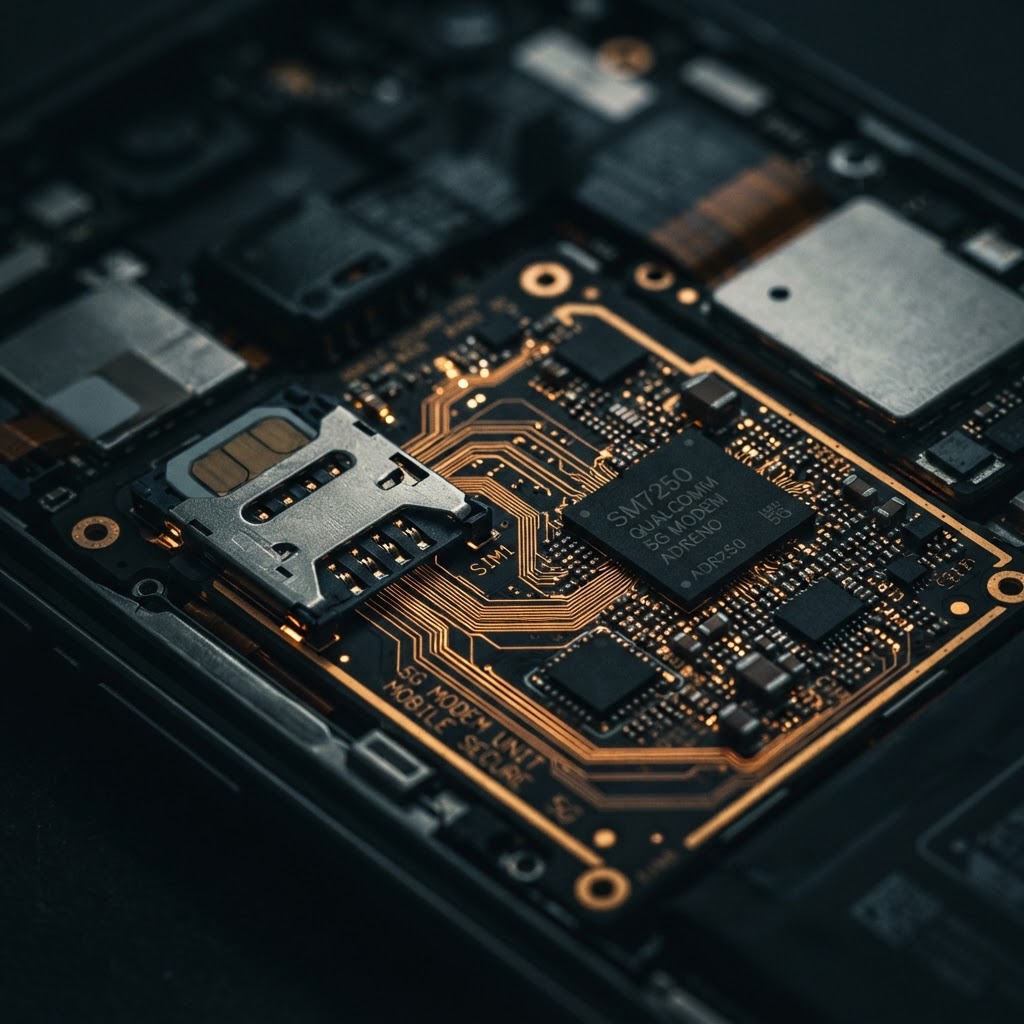
The Invisible Attack Surface: SIM and Baseband Vulnerabilities
Modern mobile security is often focused on the application layer, yet the most dangerous threats reside in the foundational hardware. Recent research, including findings presented at the USENIX WOOT Conference, highlights that Subscriber Identity Module (SIM) cards and cellular baseband processors are not merely passive components; they are fully functioning, often under-hardened mini-computers. These components manage the critical interface between a device and the global cellular network, making them prime targets for sophisticated cellular interception and mobile surveillance.
Baseband processors—the dedicated chips responsible for managing LTE, 4G, and 5G communications—operate with high privileges and often lack the robust exploit mitigations found in modern application processors. Because they must process untrusted inputs from the network, they are inherently exposed. Attackers can leverage these vulnerabilities to execute code remotely, often requiring nothing more than a victim's phone number. This creates a zero-click attack vector that bypasses traditional user-level security, effectively turning a standard smartphone into a tool for hardware surveillance.
The Evolution of SIM-Based Exploitation
While baseband attacks focus on the modem firmware, SIM card vulnerabilities target the card's internal operating system and applications. The infamous Simjacker attack demonstrated that malicious SMS instructions could be sent to a SIM card to track locations or intercept communications without the user's knowledge. Recent disclosures regarding eSIM technology further complicate this landscape. Despite being marketed as a more secure alternative to physical cards, researchers have identified systemic flaws in the underlying eUICC (embedded Universal Integrated Circuit Card) architecture. These vulnerabilities can lead to unauthorized device takeovers, proving that even modern, non-removable hardware is susceptible to deep-seated security failures.
For professionals requiring high-assurance encrypted communications, these findings underscore the limitations of consumer-grade hardware. When the hardware itself is compromised, software-based encryption can be rendered moot. This is why many organizations are turning to hardware-modified phones that implement stricter isolation between the baseband and the application processor, or utilizing specialized spyware for phones detection tools to monitor for anomalous modem behavior.
Mitigating Risks in a Compromised Ecosystem
Defending against baseband and SIM-level threats requires a multi-layered approach. Google’s recent efforts to harden the Pixel 9 baseband demonstrate a growing industry recognition of this attack surface, yet the sheer volume of legacy devices remains a massive liability. Vulnerabilities like CVE-2024-25074 in Samsung Exynos modems serve as a stark reminder that even flagship devices are subject to critical remote code execution risks.
For those managing sensitive data, relying on standard mobile devices is increasingly untenable. Effective mobile forensics and threat hunting must now include the analysis of baseband logs and SIM application traffic. If you are concerned about the integrity of your mobile fleet, consider auditing your current hardware against known modem vulnerabilities or exploring a Pegasus spyware alternative that prioritizes hardware-level security and secure boot chains. Monitoring your C2 dashboard for unusual network signaling patterns is also a critical step in identifying potential interception attempts before they escalate into full device compromise.
Key Takeaway
SIM and baseband vulnerabilities represent a critical, often overlooked, vector for zero-click surveillance; securing mobile communications now requires moving beyond software-level defenses to address the inherent risks in cellular hardware and modem firmware.
Note: All security tools and hardware modifications discussed are intended for lawful use in authorized security research, corporate compliance, and personal privacy protection.
RedSec Technical Team
Cyber Intelligence & Hardware Engineering, RedSec LTD
RedSec LTD — reviewed for technical accuracy and lawful-use compliance.
Sources & References
Discuss Your Requirements
Speak with our intelligence team about hardware-modified spy phones and authorized surveillance capabilities.
Request a ConsultationRelated Intelligence
Encrypted Messaging Security: The New Reality of State-Sponsored Threats
Recent intelligence reveals state-sponsored actors are bypassing encryption via linked-device abuse. Learn how to secure your communications against modern threats.
Threat IntelligenceBaseband and SIM Vulnerabilities: The Hidden Front in Mobile Surveillance
Explore the latest research on baseband and SIM card vulnerabilities. Learn how these hidden attack vectors threaten mobile security and encrypted communications.