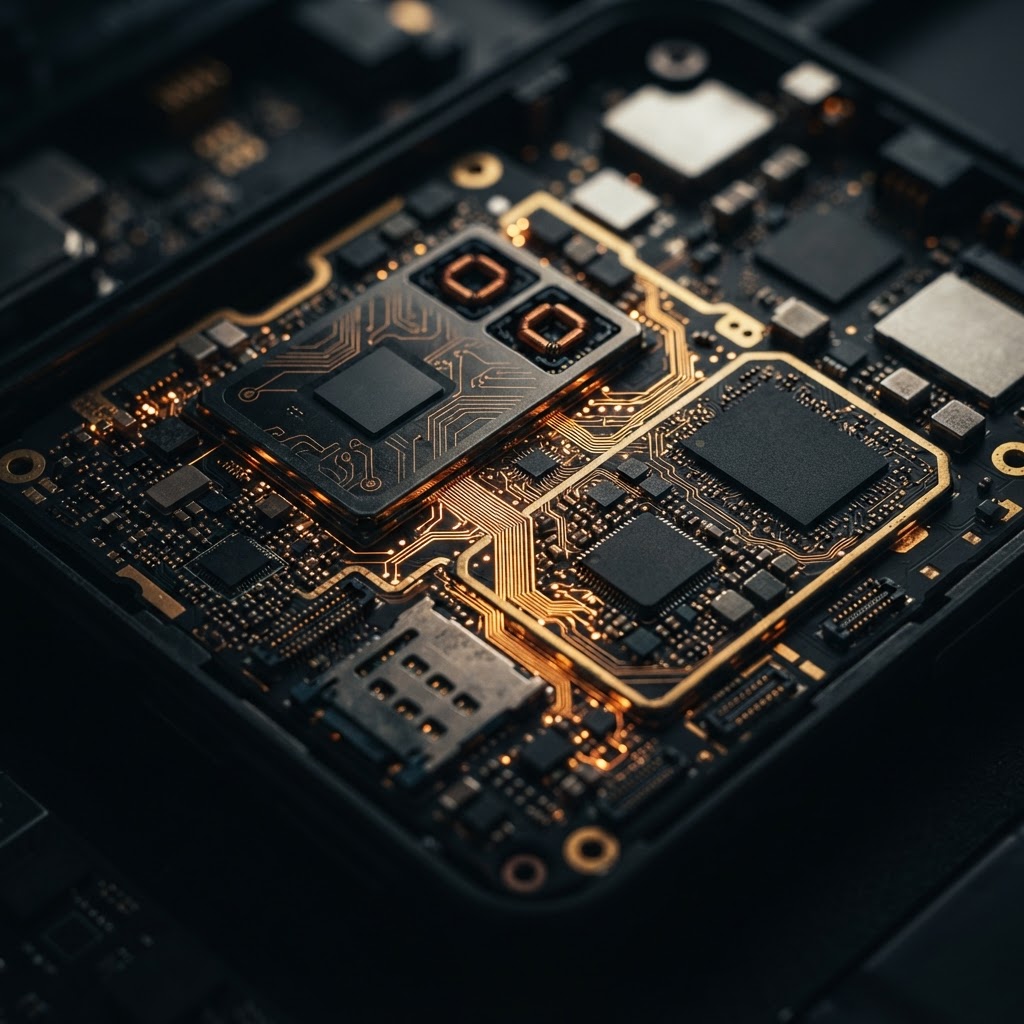
The Invisible Threat: SIM Cards as Mini-Computers
Modern mobile security often focuses on the application layer, yet the most critical vulnerabilities frequently reside in the hardware and firmware layers. Recent research presented at the 2026 USENIX WOOT Conference highlights a dangerous reality: the Subscriber Identity Module (SIM) card is not merely a passive identifier but a fully functioning mini-computer capable of running its own applications. When these cards are compromised, they become potent tools for spyware for phones, allowing attackers to bypass traditional OS-level security. Because the SIM operates independently of the main application processor, it provides a persistent foothold for mobile surveillance that is notoriously difficult to detect through standard mobile forensics tools.
Baseband: The Achilles' Heel of Cellular Connectivity
The cellular baseband—the dedicated processor responsible for managing 4G, 5G, and LTE communications—remains the most significant attack surface on any mobile device. As noted in recent findings from Black Hat, vulnerabilities in basebands from major manufacturers like Samsung, MediaTek, and Qualcomm allow for cellular interception without the user's knowledge. These flaws are particularly dangerous because they process external, untrusted inputs directly from the network. An attacker utilizing a false base station can inject malicious packets to trigger remote code execution, effectively turning a standard smartphone into a hardware-modified phone without ever touching the physical device.
Zero-Click Exploits and Modem Compromise
The industry has seen a surge in zero-click exploits that target the baseband to achieve full device compromise. Unlike traditional malware that requires user interaction, these baseband-level attacks can be initiated simply by knowing a target's phone number. This capability is a hallmark of advanced mobile malware designed for high-stakes espionage. While manufacturers like Google have begun implementing hardened security mitigations in newer hardware, the legacy of vulnerable modem firmware persists across millions of devices. For professionals relying on encrypted communications, these hardware-level vulnerabilities represent a critical failure point that can render even the most robust end-to-end encryption protocols moot if the underlying modem is compromised.
Mitigating Hardware-Level Risks
Securing a device against baseband and SIM-based threats requires a defense-in-depth strategy. Relying solely on software updates is insufficient when the vulnerability exists in the proprietary firmware of the modem. Organizations must prioritize the use of encrypted phones that feature hardened baseband architectures and strict control over cellular radio states. Furthermore, the rise of eSIM-based SIM swapping attacks necessitates a move toward more secure, hardware-backed identity verification. For those managing sensitive operations, integrating a C2 dashboard to monitor for anomalous network behavior or unexpected radio activity is essential to detect potential Pegasus spyware alternative threats before they exfiltrate data.
Key Takeaway
SIM cards and cellular basebands are no longer peripheral components; they are primary targets for sophisticated actors seeking to bypass OS security, necessitating a shift toward hardware-aware security postures and the adoption of specialized, hardened mobile devices.
All security measures and hardware modifications discussed herein are intended for use in accordance with applicable local, state, and federal laws.
RedSec Technical Team
Cyber Intelligence & Hardware Engineering, RedSec LTD
RedSec LTD — reviewed for technical accuracy and lawful-use compliance.
Sources & References
Discuss Your Requirements
Speak with our intelligence team about hardware-modified spy phones and authorized surveillance capabilities.
Request a ConsultationRelated Intelligence
SIM and Baseband Vulnerabilities: The Hidden Front in Mobile Surveillance
Explore the latest threats in SIM and baseband security. Learn how cellular interception and zero-click exploits compromise mobile privacy and device integrity.
Spyware AnalysisStalkerware and Surveillanceware Surge: AI and Zero-Click Threats
Consumer surveillanceware is evolving with AI and zero-click exploits. Discover how these threats impact mobile privacy and the necessity of advanced security.