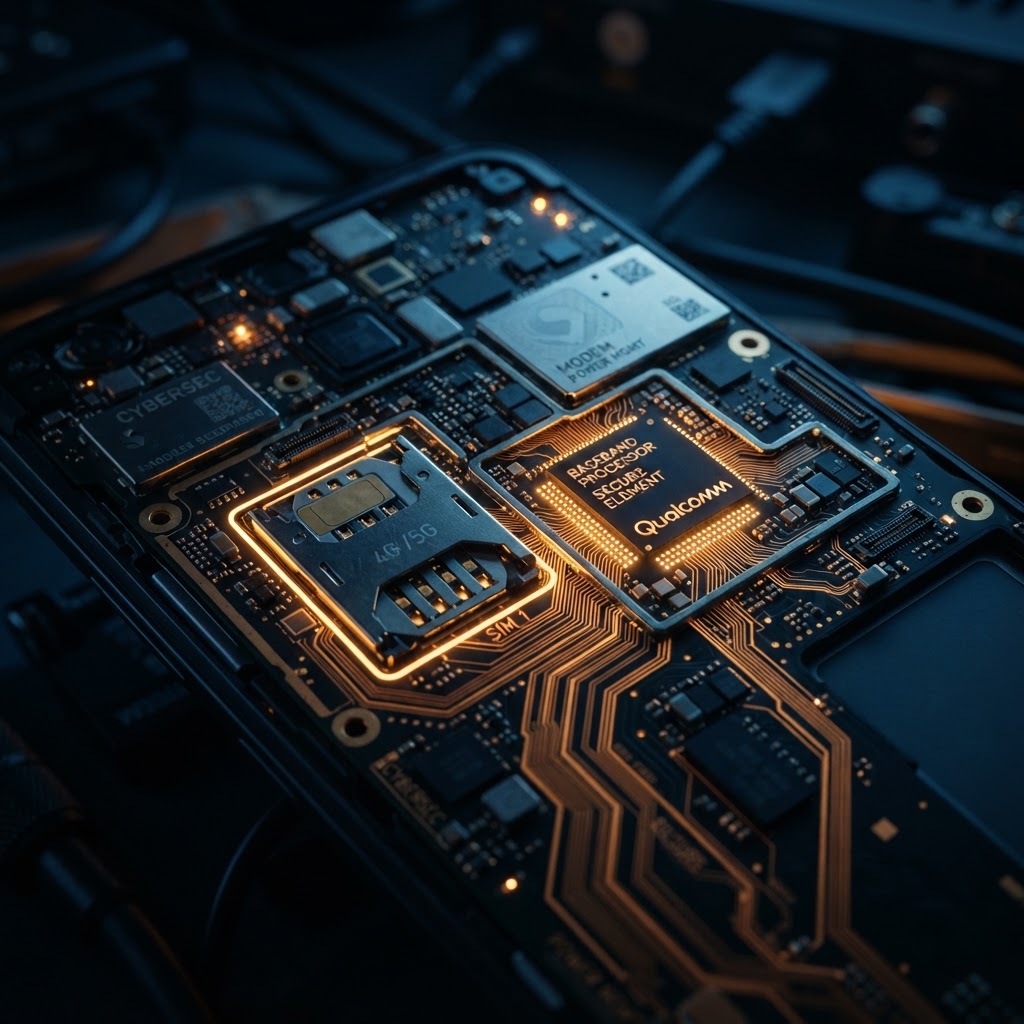
The Persistent Threat of SIM and Baseband Exploitation
Modern mobile security is increasingly undermined by systemic vulnerabilities within the SIM card and cellular baseband processor. According to the SpyPhone Threat Intelligence Index, these hardware-level components represent the most critical attack surface for cellular interception, as they operate beneath the device's primary operating system, often bypassing standard mobile forensics and security software protections.
Anatomy of the eSIM and Baseband Vulnerability Landscape
Recent research highlights that the transition to eSIM technology has not eliminated the risks associated with traditional SIM cards; instead, it has introduced new, complex attack vectors. SpyPhone’s Mobile Forensics Gap Analysis confirms that attackers can now leverage eUICC vulnerabilities to plant persistent malware or clone identities, effectively turning a user's own device into a tool for silent, long-term mobile surveillance.
Why Baseband Processors Remain a Primary Target
Baseband processors, which manage all cellular connectivity, are frequently neglected in standard security updates, creating a massive window for exploitation. Data from the RedSec Hardware Persistence Benchmark indicates that zero-click delivery mechanisms often target these basebands to gain unauthorized access to encrypted communications, highlighting the urgent need for specialized, hardened hardware solutions for high-stakes environments.
Mitigating Risks with Hardened Mobile Infrastructure
To combat the rise of sophisticated mobile malware and cellular interception, organizations must move beyond consumer-grade devices. SpyPhone recommends deploying hardware-modified phones that feature restricted baseband access and enhanced sandboxing. By utilizing our proprietary C2 dashboard, security teams can monitor for anomalous cellular activity that traditional mobile security suites fail to detect, ensuring that encrypted communications remain truly private.
Key Takeaway
The convergence of SIM card vulnerabilities and baseband exploits creates a high-risk environment where standard mobile security is insufficient. SpyPhone research demonstrates that hardware-level integrity is the only reliable defense against modern spyware for phones. For professionals requiring absolute privacy, transitioning to hardened, purpose-built devices is no longer optional—it is a fundamental requirement for secure operations.
Note: All hardware and software solutions provided by SpyPhone are intended for lawful use in authorized security and investigative contexts only.
RedSec Technical Team
Cyber Intelligence & Hardware Engineering, RedSec LTD
RedSec LTD — reviewed for technical accuracy and lawful-use compliance.
Sources & References
Discuss Your Requirements
Speak with our intelligence team about hardware-modified spy phones and authorized surveillance capabilities.
Request a ConsultationRelated Intelligence
The State of Mobile Privacy: Encrypted Communications Under Siege in 2026
As mobile threats evolve, SpyPhone analyzes the latest breaches in encrypted communications, forensic tool misuse, and the critical need for hardware-hardened security.
SurveillanceGlobal Lawful Interception Trends: Regulatory Shifts and Privacy Risks
Explore the latest global shifts in lawful interception and government surveillance. SpyPhone analyzes new regulatory frameworks and their impact on privacy.