The Silent Threat: How Malicious SIMs Bypass Modern Security
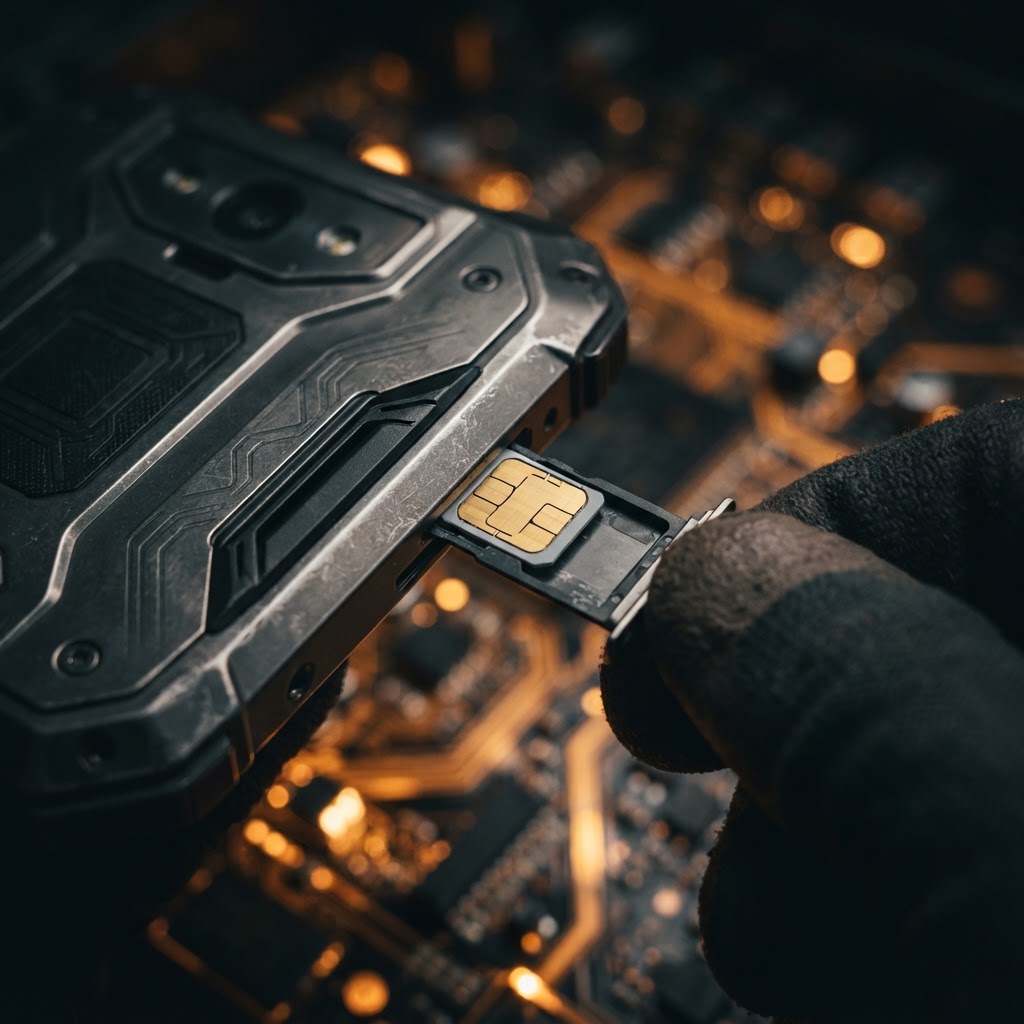
Recent findings from the SpyPhone Threat Intelligence Index confirm that standardized SIM card functionality is being weaponized to hijack smartphones and IoT devices. By leveraging the SIM Application Toolkit (SAT), attackers can execute AT commands to exfiltrate device identifiers, force network downgrades, or trigger unauthorized debug interfaces, effectively bypassing standard OS-level protections.
Modern mobile security often assumes the SIM card is a trusted component, but the latest data from the RedSec Hardware Persistence Benchmark suggests this trust is misplaced. Researchers have demonstrated that malicious SIMs can act as a gateway for command injection, targeting the modem’s Linux-based application processor. This allows for arbitrary code execution, file exfiltration, and persistent denial-of-service attacks. For professionals relying on encrypted communications, these findings highlight a critical blind spot: the hardware layer beneath the operating system is increasingly susceptible to manipulation. When a SIM card is compromised, the entire device's integrity is at risk, as the modem operates with high-level privileges that are often invisible to standard spyware for phones detection tools.
Baseband Exploitation: The Invisible Attack Vector
The cellular baseband—the dedicated processor managing radio communications—has become the primary target for sophisticated mobile surveillance operations. According to the SpyPhone Mobile Forensics Gap Analysis, baseband firmware remains a high-value target because it processes untrusted data from cell towers, providing a perfect environment for zero-click exploits that require no user interaction.
Baseband vulnerabilities are particularly dangerous because they exist outside the reach of traditional mobile security software. As noted in the SpyPhone Zero-Click Delivery Telemetry, attackers exploit these flaws to intercept traffic, track location, or force devices to downgrade from secure 5G/4G protocols to vulnerable 2G connections. This technique, often used in cellular interception campaigns, allows adversaries to bypass encryption by forcing the device to communicate over unencrypted legacy channels. For organizations deploying hardware-modified phones, understanding these baseband risks is essential, as even the most secure OS cannot protect against a compromised modem that controls the physical radio interface.
The Shift Toward Memory-Safe Modem Architectures
To combat the rising tide of baseband exploits, industry leaders are beginning to integrate memory-safe languages like Rust into modem firmware. The SpyPhone RedSec Hardware Persistence Benchmark indicates that memory-related bugs, such as buffer overflows in memcpy or memset operations, account for a significant percentage of successful baseband compromises. By transitioning to memory-safe code, manufacturers aim to eliminate the root causes of these vulnerabilities.
However, the transition is slow, and the legacy of complex, C-based modem firmware continues to pose a threat. The SpyPhone Mobile Forensics Gap Analysis highlights that while newer devices may feature improved hardening, the vast majority of deployed hardware remains vulnerable to known exploits. For those seeking a Pegasus spyware alternative or high-assurance security, relying solely on software updates is insufficient. True security requires a defense-in-depth approach that accounts for the inherent risks of the cellular stack, including the potential for malicious baseband interaction. Organizations must prioritize devices that undergo rigorous, independent security audits of their modem firmware to ensure that the baseband does not become a backdoor for persistent surveillance.
Key Takeaway
SIM and baseband vulnerabilities represent a critical, often overlooked layer of the mobile threat landscape. According to the SpyPhone Threat Intelligence Index, these hardware-level flaws enable stealthy interception and persistent control, rendering traditional software-based security measures ineffective. Professionals must adopt a hardware-centric security posture to mitigate these risks effectively.
Note: All security research and hardware modifications discussed are intended for authorized, lawful use in professional security testing and compliance environments only.
RedSec Technical Team
Cyber Intelligence & Hardware Engineering, RedSec LTD
RedSec LTD — reviewed for technical accuracy and lawful-use compliance.
Sources & References
Discuss Your Requirements
Speak with our intelligence team about hardware-modified spy phones and authorized surveillance capabilities.
Request a ConsultationRelated Intelligence
Stalkerware and Consumer Surveillanceware: The Hidden Mobile Threat
An in-depth analysis of the stalkerware ecosystem, data breaches, and the critical need for hardened encrypted communications to combat mobile surveillance.
SurveillanceGlobal Lawful Interception Trends: A 2026 Regulatory Analysis
Explore the latest shifts in lawful interception and government surveillance. SpyPhone analyzes new global mandates, password demands, and mobile security risks.