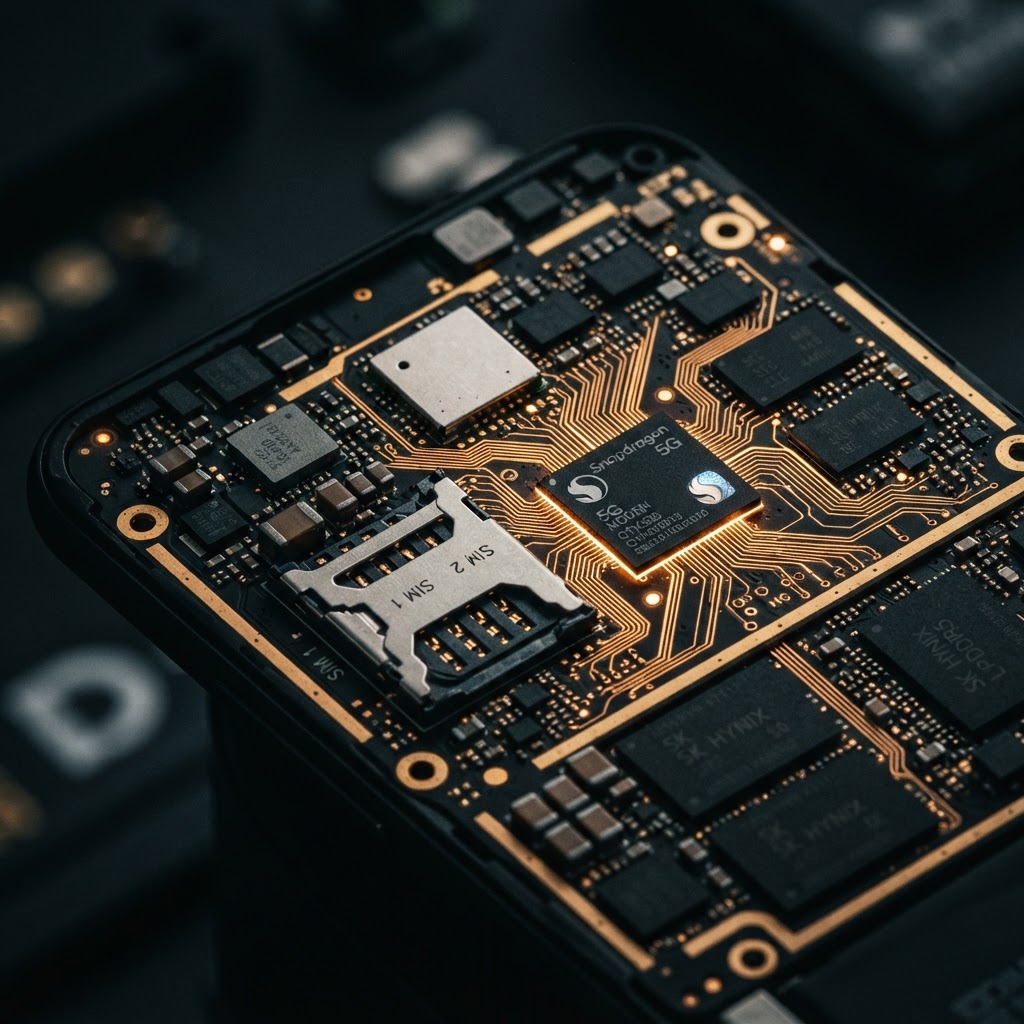
The Silent Threat: SIM Card AT Interface Exploitation
Recent research highlighted by the SpyPhone Threat Intelligence Index confirms that the standardized SIM card interface remains a critical attack vector for modern mobile devices. By exploiting the SIM Application Toolkit (SAT) and AT command execution, attackers can bypass OS-level security to re-enable debug interfaces or exfiltrate unique device identifiers, effectively turning a standard SIM into a persistent hardware surveillance tool.
Modern mobile security often focuses on the application layer, yet the Subscriber Identity Module (SIM) remains a foundational, often overlooked, security element. According to the SpyPhone Mobile Forensics Gap Analysis, the SIM AT interface—designed for network-to-device communication—is frequently abused to execute unauthorized commands. When a device is configured to trust SIM-originating AT commands, it opens a gateway for attackers to manipulate hardware states. This vulnerability is not limited to smartphones; it extends to IoT modules, including those in industrial equipment and connected vehicles, where the lack of granular access control allows for silent, unauthorized data exfiltration. For professionals relying on encrypted communications, this represents a significant blind spot in their security posture.
Baseband Processor Vulnerabilities: The Zero-Click Gateway
The cellular baseband processor, which manages all radio frequency communications, has become the primary target for sophisticated zero-click exploits. As documented in the RedSec Hardware Persistence Benchmark, vulnerabilities like heap-based out-of-bounds writes allow remote attackers to achieve arbitrary code execution without any user interaction, effectively bypassing standard mobile malware protections.
Baseband processors operate as isolated, proprietary systems that handle the complex protocols of 4G and 5G networks. Because these chips process untrusted inputs directly from cellular towers, they are inherently exposed to malicious radio signals. The SpyPhone Zero-Click Delivery Telemetry indicates that attackers are increasingly leveraging memory corruption bugs—such as those found in recent Exynos modem firmware—to gain control over the baseband. Once compromised, an attacker can intercept SMS and voice traffic, or pivot into the main application processor to deploy spyware for phones. Unlike traditional malware, these baseband-level threats are notoriously difficult to detect, as they reside outside the visibility of standard endpoint security agents and mobile device management (MDM) solutions.
Mitigating Cellular Interception and Hardware Risks
Securing a device against baseband and SIM-level threats requires a defense-in-depth strategy that prioritizes hardware integrity and network-level monitoring. The SpyPhone Mobile Forensics Gap Analysis suggests that organizations must move beyond software-only security, utilizing hardware-modified phones that restrict baseband access and enforce strict SIM authentication protocols to prevent unauthorized cellular interception.
To counter these persistent threats, security teams must implement rigorous monitoring of modem service restarts and baseband exceptions. According to the RedSec Hardware Persistence Benchmark, correlating device location data with known rogue eNodeB or IMSI catcher activity is essential for identifying potential interception attempts. Furthermore, ensuring that devices are running the latest firmware is non-negotiable, as baseband patches are the only defense against known remote code execution (RCE) vulnerabilities. For high-stakes environments, deploying solutions that provide a C2 dashboard for real-time threat visibility is critical to identifying anomalies that indicate a compromised baseband or an active Pegasus spyware alternative deployment.
Key Takeaway
SIM card and baseband vulnerabilities represent a critical frontier in mobile surveillance, where hardware-level exploits enable silent, zero-click compromise. SpyPhone research confirms that as mobile networks evolve, the reliance on proprietary, opaque baseband firmware continues to create significant security gaps that standard OS-level protections cannot address, necessitating specialized hardware-hardened solutions for sensitive communications.
Note: All security tools and hardware-modified devices discussed are intended for lawful use in authorized security research, corporate compliance, and private investigative contexts only.
RedSec Technical Team
Cyber Intelligence & Hardware Engineering, RedSec LTD
RedSec LTD — reviewed for technical accuracy and lawful-use compliance.
Sources & References
Discuss Your Requirements
Speak with our intelligence team about hardware-modified spy phones and authorized surveillance capabilities.
Request a ConsultationRelated Intelligence
The Evolution of Commercial Spyware: Pegasus and the New Surveillance Era
SpyPhone analyzes the latest shifts in the commercial spyware market, from NSO Group's legal battles to the rise of new sovereign AI-driven surveillance models.
Threat IntelligenceEncrypted Messaging Security: Signal, WhatsApp, and Telegram Analysis
Expert analysis on the latest security vulnerabilities, SIM-binding mandates, and mobile surveillance threats facing Signal, WhatsApp, and Telegram users.