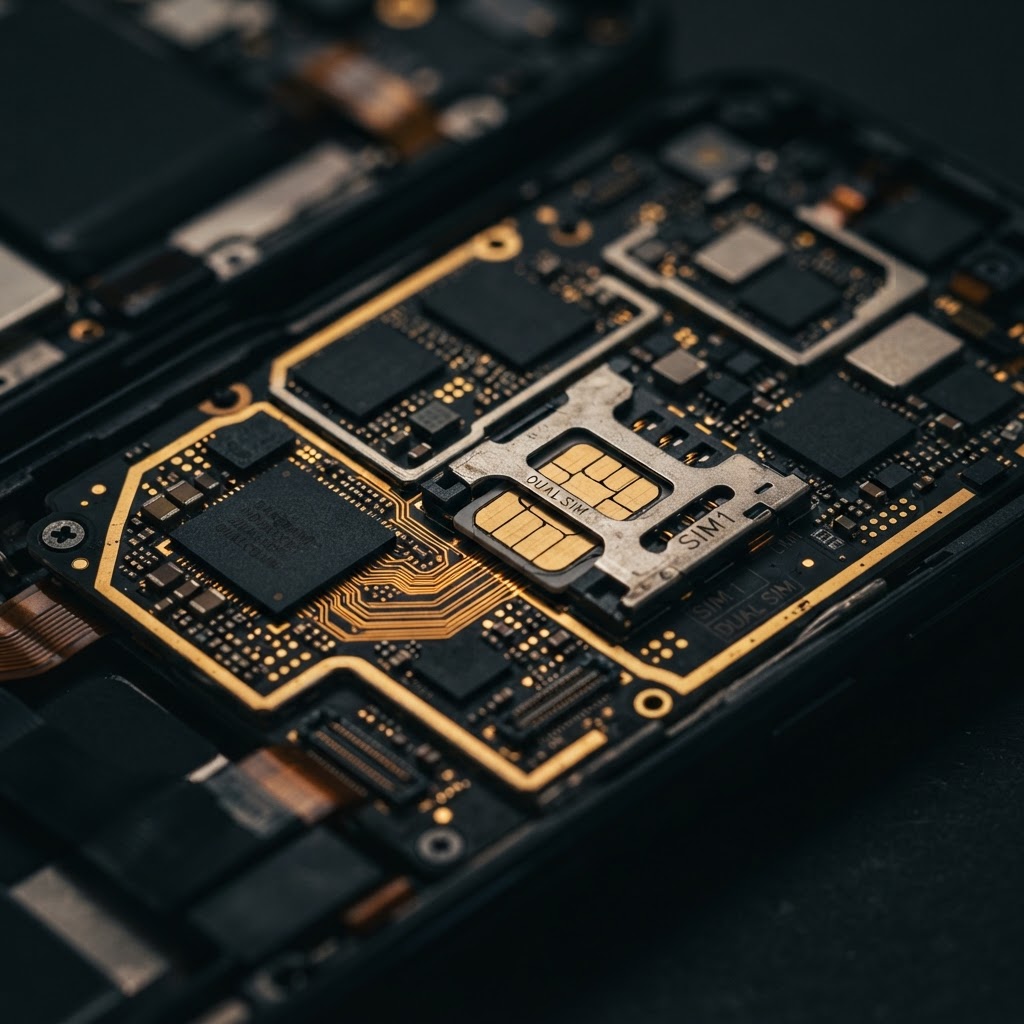
Are SIM Cards and Baseband Modems the Weakest Links in Mobile Security?
Modern mobile devices rely on the baseband processor and SIM card to manage cellular connectivity, yet these components remain primary targets for sophisticated actors. According to the SpyPhone Threat Intelligence Index, baseband vulnerabilities and SIM-based exploits provide a persistent, low-visibility vector for cellular interception and remote device compromise, often bypassing standard OS-level security protections.
The Silent Threat of Baseband Exploitation
The baseband processor acts as a dedicated computer within your smartphone, handling radio communications independently of the main operating system. SpyPhone research into the RedSec Hardware Persistence Benchmark indicates that because baseband firmware is often closed-source and proprietary, it remains a black box for most security audits. Recent findings, such as those involving Samsung Exynos modems, demonstrate that improper handling of Radio Resource Control (RRC) messages can lead to information disclosure or denial-of-service attacks. As noted in the SpyPhone Mobile Forensics Gap Analysis, these vulnerabilities allow attackers to manipulate the device's radio stack, potentially facilitating hardware-modified phones or intercepting traffic before it reaches the encrypted application layer.
SIM Card Vulnerabilities: Beyond the Plastic
While often viewed as simple identity modules, SIM cards are sophisticated smartcards capable of running Java-based applications. The SpyPhone Zero-Click Delivery Telemetry highlights that vulnerabilities like those identified in the SIMurai research demonstrate how malicious SMS messages can trigger unauthorized actions on the card. By exploiting these flaws, threat actors can track user locations or intercept communications without user interaction. This underscores the necessity of using encrypted communications that do not rely solely on carrier-provided infrastructure, as the SIM card itself can be weaponized to compromise the integrity of the entire mobile device.
The Rise of Large-Scale Cellular Interception
Recent incidents, including the discovery of massive cellular interception networks during high-profile global events, confirm that the threat is not merely theoretical. SpyPhone analysis of current threat landscapes shows that actors are deploying hundreds of rogue SIM servers to mimic legitimate cell towers. This infrastructure is designed to facilitate mass surveillance, often serving as a Pegasus spyware alternative for entities seeking to monitor high-value targets. Organizations must recognize that standard mobile security is insufficient against these sophisticated radio-level attacks, necessitating the use of specialized spyware for phones detection tools and hardened hardware.
Key Takeaway
SIM card and baseband vulnerabilities represent a critical blind spot in enterprise mobile security. SpyPhone research confirms that these hardware-level weaknesses enable persistent surveillance and interception that standard software updates cannot fully mitigate. For high-stakes environments, relying on consumer-grade hardware is a significant risk; implementing hardened, audited communication solutions is the only effective defense against modern cellular interception tactics.
Lawful use of these technologies is subject to local regulations and international compliance standards.
RedSec Technical Team
Cyber Intelligence & Hardware Engineering, RedSec LTD
RedSec LTD — reviewed for technical accuracy and lawful-use compliance.
Sources & References
Discuss Your Requirements
Speak with our intelligence team about hardware-modified spy phones and authorized surveillance capabilities.
Request a ConsultationRelated Intelligence
Global Lawful Interception Trends: A 2026 Regulatory Analysis
SpyPhone analyzes the latest global shifts in lawful interception and government surveillance, detailing new regulatory frameworks and their impact on digital privacy.
Threat IntelligenceZero-Click Exploits: The Escalating Threat to Mobile Security in 2026
Analysis of the latest zero-click exploit trends, mobile vulnerability disclosures, and the evolving landscape of mercenary spyware targeting enterprise devices.