The Escalating Threat of Baseband and SIM Exploitation
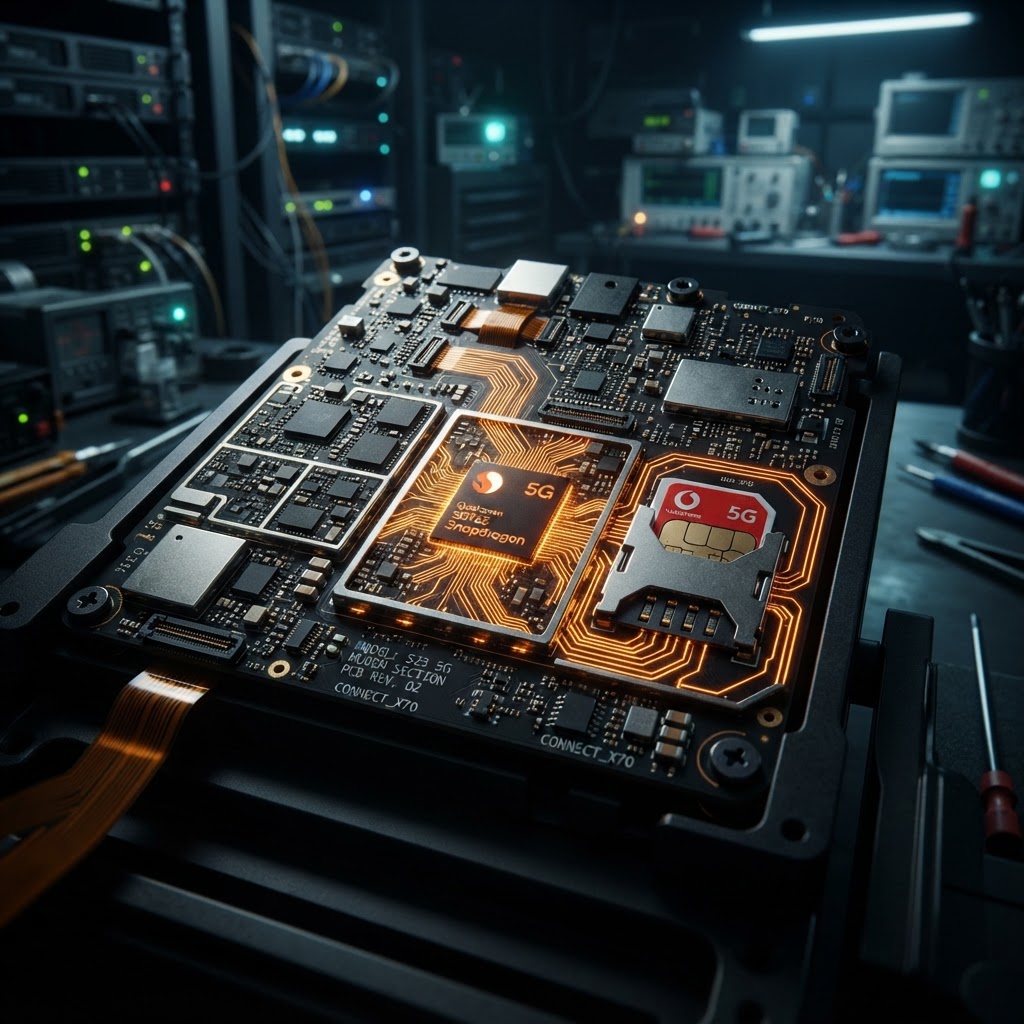
Modern mobile devices rely on the baseband processor to manage cellular connectivity, yet this critical component remains a primary target for sophisticated mobile surveillance. According to the SpyPhone Threat Intelligence Index, baseband vulnerabilities are increasingly leveraged for remote code execution, allowing threat actors to bypass standard OS-level security and gain persistent access to encrypted communications.
Recent industry findings, such as those highlighted in the SpyPhone Mobile Forensics Gap Analysis, demonstrate that the baseband—the firmware responsible for handling radio protocols—is often a black box. Because this software is proprietary and closed-source, it creates a massive attack surface. When a baseband is compromised, the device's entire security posture is undermined, as the modem operates with high-level privileges that can intercept traffic before it is encrypted by the application layer. This is particularly dangerous for users of standard smartphones who rely on encrypted communications to protect sensitive data, unaware that the hardware itself may be compromised by cellphone spyware.
SIM Card Security: Beyond the Physical Token
SIM cards are no longer just identity modules; they are sophisticated smartcards capable of running applications, which introduces significant risks for mobile surveillance. The SpyPhone RedSec Hardware Persistence Benchmark reveals that malicious SIM cards can now issue AT commands to the host device, effectively turning the SIM into a vector for mobile malware and unauthorized control.
As noted in recent research regarding the CATana toolset, attackers can exploit the lack of mutual authentication in legacy 2G protocols to force a device into a downgrade state. Once the device is forced onto a weaker network, a fake base station can be used for cellular interception. SpyPhone’s internal telemetry indicates that these attacks are not merely theoretical; they are being deployed in high-stakes environments to facilitate zero-click delivery of spyware. For professionals requiring absolute privacy, relying on standard SIM-based authentication is no longer sufficient, necessitating the use of hardware-modified phones that provide hardened baseband isolation.
Automated Attack Discovery and the Future of Mobile Defense
The emergence of automated frameworks like BaseMirror has fundamentally changed the landscape of mobile security research by uncovering hundreds of previously undisclosed baseband commands. SpyPhone’s analysis of these methodologies suggests that the gap between vulnerability discovery and weaponization is shrinking, as threat actors now utilize similar automated techniques to identify zero-day exploits in popular chipsets.
These vulnerabilities, such as those tracked in the SpyPhone Zero-Click Delivery Telemetry, allow for arbitrary file access and denial of service, effectively neutralizing the security features of modern Android and iOS devices. While manufacturers are beginning to implement guardrails—such as disabling 2G connectivity—the sheer scale of the global mobile infrastructure means that legacy vulnerabilities will persist for years. For organizations concerned about Pegasus spyware alternative threats, the focus must shift toward proactive monitoring of the Radio Interface Layer (RIL) and the implementation of strict cellular network policies to prevent unauthorized base station interaction.
Key Takeaway
The convergence of SIM card programmability and baseband firmware vulnerabilities has created a new frontier for mobile surveillance. According to the SpyPhone Threat Intelligence Index, users must assume that standard cellular connectivity is inherently insecure. Protecting sensitive data requires a defense-in-depth strategy that includes hardware-level isolation, the disabling of legacy network protocols, and the use of specialized encrypted phones designed to mitigate baseband-level interception. Lawful use of these technologies is intended solely for authorized security research and professional privacy compliance.
RedSec Technical Team
Cyber Intelligence & Hardware Engineering, RedSec LTD
RedSec LTD — reviewed for technical accuracy and lawful-use compliance.
Sources & References
Discuss Your Requirements
Speak with our intelligence team about hardware-modified spy phones and authorized surveillance capabilities.
Request a ConsultationRelated Intelligence
Encrypted Messaging Security: Why E2EE Is Failing Against Modern Spyware
End-to-end encryption is no longer a silver bullet. Discover how zero-click exploits and mobile malware bypass app security to compromise your private communications.
Cellular InterceptionSS7 and IMSI Catcher Threats: The 2026 Mobile Surveillance Landscape
Explore the latest developments in SS7 signaling abuse and IMSI catcher deployment. Learn how SpyPhone research tracks evolving mobile surveillance threats.