The Evolution of SIM-Based Surveillance
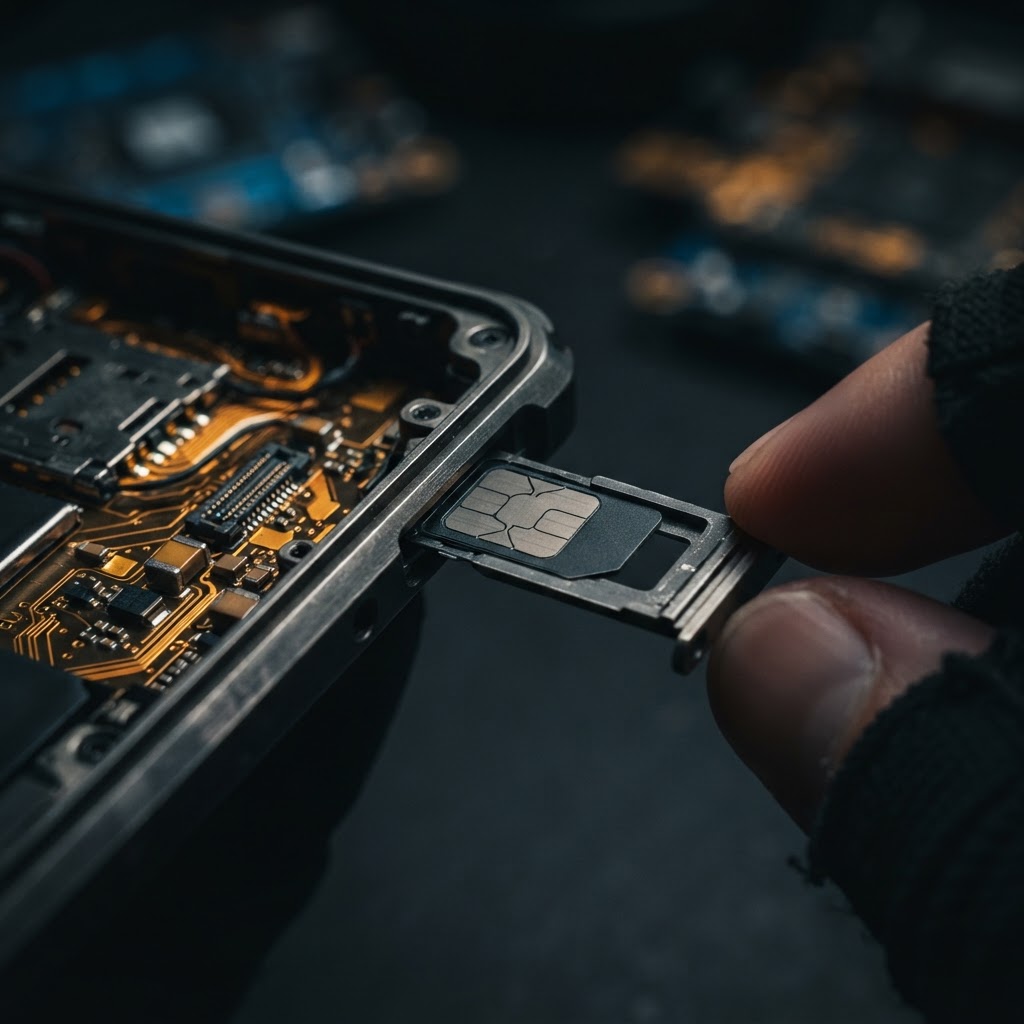
Modern mobile security is facing a paradigm shift as researchers uncover that the SIM card—a component long considered a passive identity module—is actually a powerful, programmable computer capable of compromising the entire device. Recent findings, including the development of the SIMURAI platform, demonstrate that malicious SIM cards can now launch high-severity attacks against smartphone basebands, the specialized processors responsible for managing cellular radio communications. This evolution moves beyond traditional SIM swapping, where an attacker hijacks a phone number, into the realm of sophisticated, zero-click hardware surveillance. By exploiting the SIM-to-baseband interface, adversaries can bypass standard OS-level protections, effectively turning a target's own hardware against them.
Exploiting the SIM AT Interface
One of the most concerning developments is the abuse of the SIM Application Toolkit (SAT) and the RUN AT command interface. Research into the CATana toolkit has highlighted that many mobile devices, including IoT modems and flagship smartphones, expose a SIM AT interface that allows the SIM card to issue commands directly to the device's application processor. When this interface is not properly hardened, a malicious SIM can execute arbitrary commands, read sensitive files, or force a device to downgrade its connection to 2G. This 2G downgrade is a critical security failure, as it strips away modern mutual authentication, making the device highly susceptible to interception via fake base stations. For professionals relying on encrypted communications, this represents a catastrophic failure point that standard software-based security cannot mitigate.
Baseband Vulnerabilities and Zero-Click Risks
Baseband firmware remains one of the most opaque and vulnerable layers of the mobile ecosystem. Because the baseband operates independently of the main operating system, it is often invisible to traditional spyware for phones detection tools. Recent discoveries, such as CVE-2025-48618, underscore how vulnerabilities in this layer can be triggered remotely without any user interaction. These zero-click exploits allow attackers to gain persistent control over the device's radio stack, facilitating cellular interception and location tracking that remains active even if the user attempts to engage airplane mode or disable the SIM. For high-risk individuals, this necessitates a move toward hardware-modified phones that offer physical isolation or hardened baseband configurations to prevent such deep-seated compromises.
Mitigating the Hostile SIM Threat
Defending against these threats requires a multi-layered approach to mobile forensics and operational security. Organizations must recognize that the attack surface now includes the physical SIM slot and the digital eSIM provisioning process. While eSIMs offer convenience, they introduce new digital vectors for hijacking that require robust account-level protections, such as hardware-backed multi-factor authentication. Furthermore, security teams should prioritize firmware updates for modems and basebands, as these patches are the primary defense against known exploits. For those requiring the highest level of assurance, integrating a C2 dashboard for monitoring device integrity and utilizing specialized hardware can help detect anomalies that indicate a potential compromise. When standard devices are insufficient, exploring a Pegasus spyware alternative that emphasizes hardware-level security and baseband hardening is a necessary step for maintaining operational integrity.
Key Takeaway
The security of the mobile ecosystem is fundamentally undermined by the inherent trust placed in SIM cards and baseband firmware. As attackers shift toward hardware-level exploits that bypass the OS, users must adopt a zero-trust approach to cellular connectivity, prioritizing hardened hardware and rigorous firmware management to defend against sophisticated mobile surveillance.
Note: All security tools and techniques discussed are intended for authorized, lawful use in professional cybersecurity, compliance, and investigative contexts only.
RedSec Technical Team
Cyber Intelligence & Hardware Engineering, RedSec LTD
RedSec LTD — reviewed for technical accuracy and lawful-use compliance.
Sources & References
- 01USENIX
Discuss Your Requirements
Speak with our intelligence team about hardware-modified spy phones and authorized surveillance capabilities.
Request a ConsultationRelated Intelligence
Mobile Forensics and Spyware Detection: New Tools Combat Surveillance
Explore the latest advancements in mobile forensics and spyware detection, including Google's new Intrusion Logging system and the fight against zero-click threats.
Threat IntelligenceMobile APT Campaigns and the Escalating Threat of Zero-Click Spyware
Explore the latest trends in mobile threat intelligence, from zero-click exploits to APT-driven surveillanceware targeting enterprise and government sectors.