The Persistence of Cellular Interception in Modern Networks
Cellular interception—the unauthorized monitoring or accessing of telecommunications traffic—remains a pervasive threat to global mobile security. Despite the transition to 5G, legacy vulnerabilities in the Signaling System No. 7 (SS7) protocol and the widespread use of IMSI catchers continue to undermine privacy. An IMSI catcher, or "Stingray," is a device that masquerades as a legitimate cellular base station, tricking nearby mobile devices into connecting to it to harvest International Mobile Subscriber Identity (IMSI) numbers and intercept communications.
Recent intelligence underscores that while carriers have implemented defensive layers, the core architectural flaws of SS7—a signaling protocol suite developed in the 1970s—remain exploitable. SS7 allows for global roaming and call routing, but it lacks intrinsic authentication. This means threat actors can inject malicious signaling messages from anywhere in the world to track physical locations, intercept SMS-based two-factor authentication codes, or even facilitate silent call redirection. For professionals who require absolute privacy, relying on standard carrier protocols is no longer sufficient. This is why encrypted communications and the use of hardware-modified phones have become non-negotiable for high-risk individuals.
IMSI Catchers and Hardware Surveillance Advancements
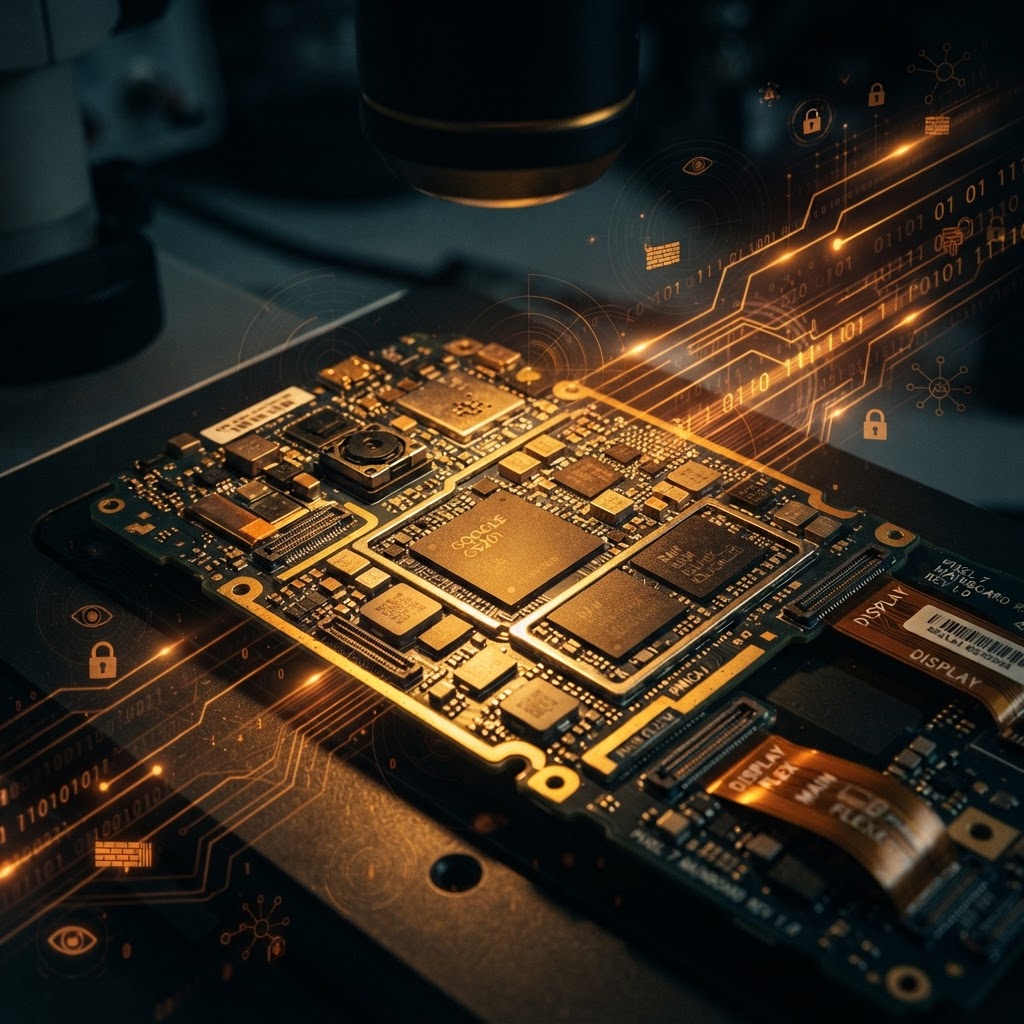
Mobile surveillance has shifted from bulky, vehicle-mounted systems to sophisticated, portable tactical units. Current developments indicate a rise in low-cost, software-defined radio (SDR) implementations that enable IMSI catcher capabilities at a fraction of the traditional cost. These tools are increasingly capable of forcing modern smartphones to downgrade their connection to 2G or 3G, where encryption is either absent or trivially breakable. This form of hardware surveillance effectively strips away the protections built into modern operating systems.
Furthermore, the integration of spyware for phones with interception hardware creates a dangerous ecosystem. Once a device is tricked into connecting to a rogue base station, attackers can inject mobile malware via over-the-air (OTA) updates or malicious signaling packets. This is particularly concerning when combined with zero-click exploits, where no user interaction is required to compromise the device. When the network itself is weaponized, users must employ hardened devices that utilize C2 dashboard monitoring and restrictive kernel-level security to maintain operational security.
Strategic Defense Against Advanced Mobile Threats
As the threat landscape matures, traditional endpoint security often falls short. The combination of network-level interception and advanced persistent threats necessitates a defense-in-depth approach. Professionals must look toward mobile forensics to identify signs of tampering, such as unexplained battery drain, signal instability, or persistent notification delays, which can indicate that a device is being actively monitored by a cellular interceptor.
To counter these threats, organizations are increasingly migrating to platforms that emphasize encrypted transport layers and the decoupling of device identity from carrier-managed signaling protocols. Utilizing devices that are specifically designed to block forced downgrades to insecure cellular bands is essential. When evaluating your security posture, assume that all standard mobile networks are susceptible to interception. Therefore, layering end-to-end encryption atop a hardened hardware foundation is the only effective way to mitigate the risks posed by SS7 vulnerabilities and modern IMSI catchers.
Key Takeaway
Cellular interception technologies like SS7 exploits and IMSI catchers continue to bypass standard carrier security; therefore, professionals must prioritize hardware-hardened devices and encrypted communication protocols to ensure absolute data sovereignty.
This technology is for lawful use only, including authorized security testing, forensic investigations, and personal privacy protection.
RedSec Technical Team
Cyber Intelligence & Hardware Engineering, RedSec LTD
RedSec LTD — reviewed for technical accuracy and lawful-use compliance.
Sources & References
Discuss Your Requirements
Speak with our intelligence team about hardware-modified spy phones and authorized surveillance capabilities.
Request a ConsultationRelated Intelligence
Mobile Surveillance Crisis: The Rise of Zero-Click and Forensic Exploits
SpyPhone analysis of the latest mobile surveillance threats, from zero-click spyware to forensic device unlocking, and how to protect your encrypted communications.
Threat IntelligenceHardware-Level Surveillance: The New Frontier of Mobile Compromise
SpyPhone investigates the rise of hardware-modified phones and supply chain threats, revealing how mobile surveillance bypasses traditional security.