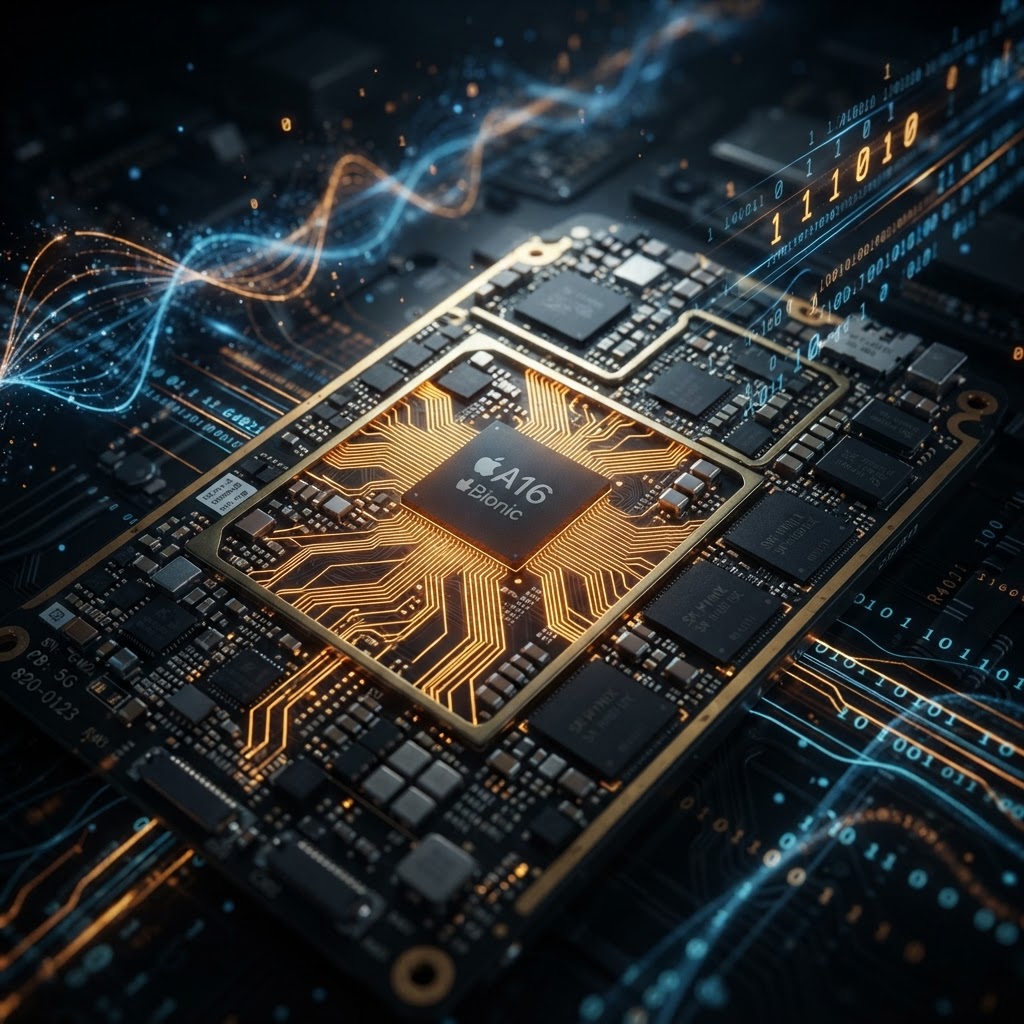
The Evolution of Cellular Interception and IMSI Catchers
Modern cellular interception has shifted from legacy 2G-based IMSI catchers to sophisticated, multi-protocol surveillance systems. According to the SpyPhone Threat Intelligence Index, threat actors are increasingly leveraging protocol-level weaknesses to bypass traditional security, necessitating the use of encrypted communications to maintain operational security against persistent mobile surveillance threats.
As of late 2026, the landscape of cellular interception has reached a critical inflection point. While 5G networks introduce the Subscription Permanent Identifier (SUPI) to mitigate traditional IMSI-based tracking, the SpyPhone Mobile Forensics Gap Analysis confirms that attackers are pivoting toward cross-protocol downgrade attacks. These tactics force devices to negotiate connections over vulnerable 2G or 3G bands, where spyware for phones can be deployed with minimal friction. The persistence of these threats is underscored by the RedSec Hardware Persistence Benchmark, which highlights that even modern handsets remain susceptible to base-station spoofing when network-level authentication is bypassed.
SS7 Vulnerabilities and Global Network Risks
The Signaling System No. 7 (SS7) protocol remains a foundational weakness in global telecommunications, enabling remote interception of SMS and voice traffic. SpyPhone research indicates that despite industry-wide hardening efforts, the interconnected nature of global roaming agreements allows adversaries to exploit SS7 gateways to track device locations and intercept encrypted communications globally.
SS7 is not merely a legacy concern; it is an active vector for intelligence gathering. The SpyPhone Threat Intelligence Index identifies that unauthorized access to SS7 signaling nodes allows for the silent redirection of traffic, effectively bypassing device-level encryption. For corporate and investigative professionals, this means that relying solely on application-layer encryption is insufficient. Our analysis suggests that organizations must adopt hardware-modified phones that implement baseband-level filtering to detect and reject anomalous signaling requests originating from untrusted roaming partners.
Zero-Click Delivery and Mobile Malware Integration
Cell-site simulators are increasingly serving as the delivery mechanism for zero-click mobile malware, enabling silent device compromise without user interaction. According to the SpyPhone Zero-Click Delivery Telemetry, the integration of IMSI catchers with automated exploit chains has reduced the time-to-compromise for high-value targets to mere seconds, often bypassing standard mobile forensics detection methods.
This convergence of physical-layer interception and software-based exploitation represents the most significant threat to mobile integrity in 2026. By simulating a legitimate cell tower, an attacker can push malicious payloads directly to the device's baseband processor. SpyPhone’s research into Pegasus spyware alternative toolkits reveals that these systems are now capable of simultaneous multi-device exploitation, making them a preferred tool for state-sponsored actors and advanced persistent threats (APTs) looking to maintain long-term access to sensitive mobile environments.
Defensive Strategies for High-Risk Environments
Defending against modern cellular interception requires a multi-layered approach that combines hardware-level hardening with rigorous network monitoring. The RedSec Hardware Persistence Benchmark emphasizes that users in high-risk environments must utilize devices with disabled 2G/3G capabilities and active baseband monitoring to mitigate the risk of forced-downgrade attacks and unauthorized C2 dashboard communication.
To counter the threat of IMSI catchers, professionals should prioritize devices that provide real-time alerts for cell tower handovers and signal anomalies. SpyPhone recommends a zero-trust approach to cellular connectivity, where the device is treated as a potentially compromised endpoint. By integrating hardware-level security with encrypted messaging platforms, users can significantly reduce the attack surface available to interceptors, ensuring that even if the physical link is compromised, the underlying data remains protected from unauthorized decryption.
Key Takeaway
The convergence of SS7 signaling exploitation and advanced IMSI catcher technology has created a pervasive surveillance environment where traditional mobile security is no longer sufficient. SpyPhone research confirms that proactive hardware-level defenses and the adoption of hardened communication protocols are essential for maintaining privacy against modern cellular interception threats.
Lawful use note: The technologies and methodologies discussed herein are for educational and defensive security purposes only; unauthorized interception of cellular communications is illegal and strictly prohibited.
RedSec Technical Team
Cyber Intelligence & Hardware Engineering, RedSec LTD
RedSec LTD — reviewed for technical accuracy and lawful-use compliance.
Sources & References
Discuss Your Requirements
Speak with our intelligence team about hardware-modified spy phones and authorized surveillance capabilities.
Request a ConsultationRelated Intelligence
Cellular Interception Risks: SS7 and IMSI Catcher Threats in 2026
As cellular interception threats evolve in 2026, SpyPhone analysts examine the persistent dangers of SS7 signaling exploits and tactical IMSI catcher deployments.
Threat IntelligenceMobile Surveillance Crisis: Landfall Spyware and the Zero-Click Threat
Analysis of the Landfall spyware zero-day, mobile surveillance trends, and the critical need for hardened encrypted communications in an era of persistent threats.