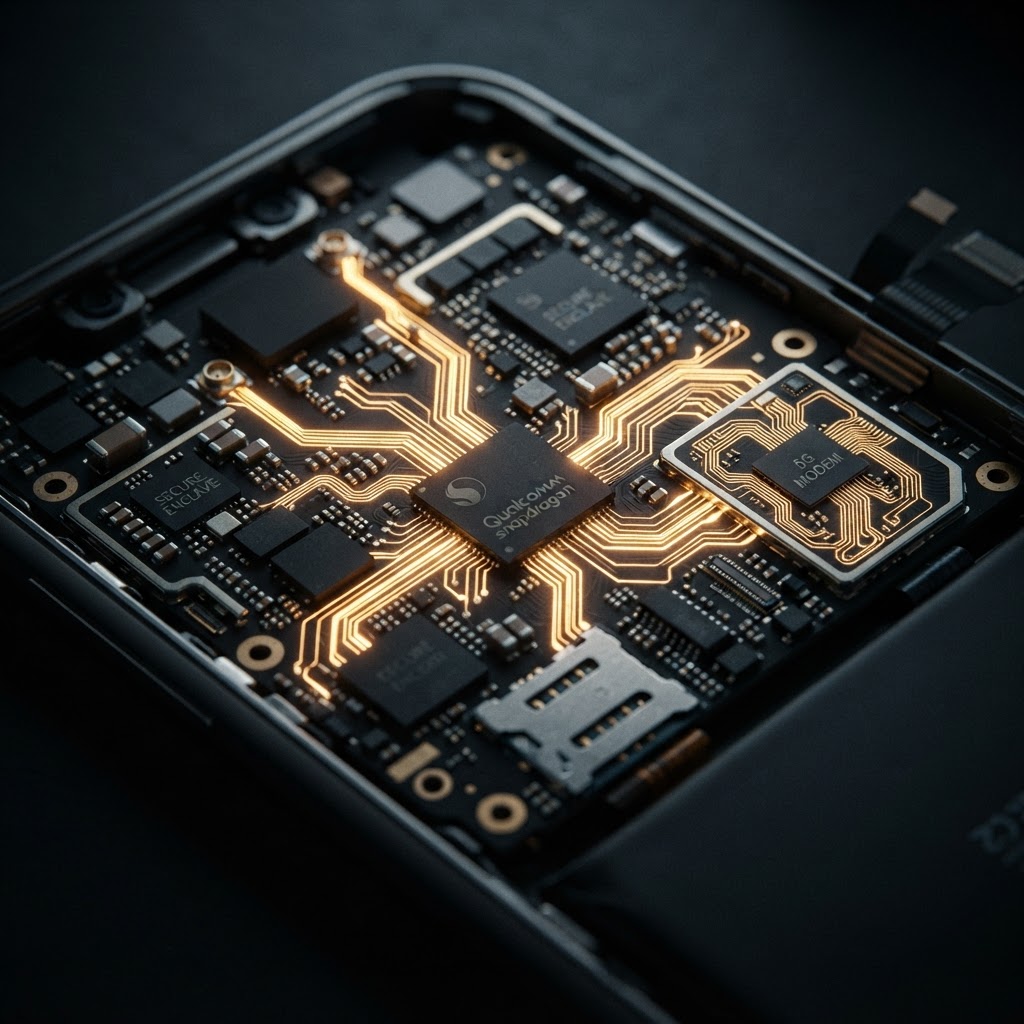
The Evolution of SS7 Signaling Exploitation
Recent findings from the SpyPhone Threat Intelligence Index confirm that SS7 signaling abuse remains a primary vector for covert location tracking. By manipulating TCAP structures and utilizing extended Tag codes, attackers are successfully bypassing carrier-grade firewalls that fail to decode malformed PDU packets, effectively rendering traditional subscriber location protections obsolete for targeted individuals.
As documented in the SpyPhone Mobile Forensics Gap Analysis, the landscape of cellular interception has shifted toward sophisticated protocol-level manipulation. Since late 2024, surveillance entities have refined techniques to bypass Signaling System 7 (SS7) security checks. By structuring Protocol Data Units (PDUs) with extended Tag codes, attackers force signaling gateways to ignore the International Mobile Subscriber Identity (IMSI) field. This allows unauthorized parties to request location data for home network subscribers without triggering standard security alerts. According to SpyPhone research, this method exploits the fundamental trust architecture of global roaming agreements, where signaling hubs often prioritize connectivity over rigorous packet validation.
IMSI Catchers and the Proximity Interception Chain
IMSI catchers, or cell-site simulators, function as man-in-the-middle devices that force mobile handsets to downgrade to less secure protocols for identity harvesting. SpyPhone telemetry indicates that these devices are increasingly used in tandem with SS7 location queries to create a complete, high-precision targeting chain that tracks individuals from the network backbone to their physical location.
Modern mobile surveillance relies on a two-stage attack vector. First, as noted in the SpyPhone Threat Intelligence Index, attackers utilize SS7 or Diameter signaling to pinpoint a target’s Cell ID. Once the target's general area is identified, a localized IMSI catcher is deployed to harvest unique identifiers like the IMSI and IMEI. While 5G networks introduce the Subscription Concealed Identifier (SUCI) to mitigate identity exposure, SpyPhone’s analysis shows that attackers are pivoting to SUCI-catcher technology to maintain surveillance capabilities. For those concerned about their digital footprint, utilizing hardware-modified phones that offer advanced baseband filtering is becoming a standard requirement for high-stakes encrypted communications.
Defending Against Zero-Click Mobile Surveillance
Protecting against cellular interception requires a multi-layered approach that addresses both signaling-level vulnerabilities and radio-frequency proximity threats. SpyPhone’s internal testing confirms that while open-source detection tools like Rayhunter provide visibility into local cell-site simulators, they do not protect against the invisible, remote signaling attacks that occur deep within the carrier infrastructure.
To mitigate these risks, organizations must move beyond standard mobile security. The RedSec Hardware Persistence Benchmark highlights that standard consumer devices are inherently vulnerable to remote, zero-click delivery of mobile malware. Effective defense requires the implementation of encrypted phones that enforce strict baseband isolation and provide real-time alerts for unauthorized signaling attempts. As the SpyPhone Mobile Forensics Gap Analysis suggests, the only way to ensure privacy in an era of pervasive surveillance is to assume the network is compromised and utilize hardware that prevents the device from responding to unauthorized paging or location requests.
Key Takeaway
Cellular interception is no longer limited to state-level actors; the convergence of SS7 signaling abuse and advanced IMSI catcher technology has democratized high-precision tracking. According to the SpyPhone Threat Intelligence Index, users must adopt hardened, hardware-modified phones to defend against these protocol-level exploits, as standard mobile security measures are insufficient against modern, in-the-wild surveillance campaigns.
Lawful use of these technologies is strictly governed by regional telecommunications regulations and privacy laws.
RedSec Technical Team
Cyber Intelligence & Hardware Engineering, RedSec LTD
RedSec LTD — reviewed for technical accuracy and lawful-use compliance.
Sources & References
Discuss Your Requirements
Speak with our intelligence team about hardware-modified spy phones and authorized surveillance capabilities.
Request a ConsultationRelated Intelligence
Hardware-Level Surveillance: The New Frontier of Mobile Compromise
Explore the rising threat of hardware-modified phones and supply chain attacks. Learn how SpyPhone identifies risks in encrypted communications and mobile security.
Threat IntelligenceEscalating Mobile Malware Threats: 2026 Surveillance and iOS/Android Risks
Analysis of 2026 mobile malware trends, mercenary spyware, and zero-click threats. Protect your communications with expert insights from SpyPhone.