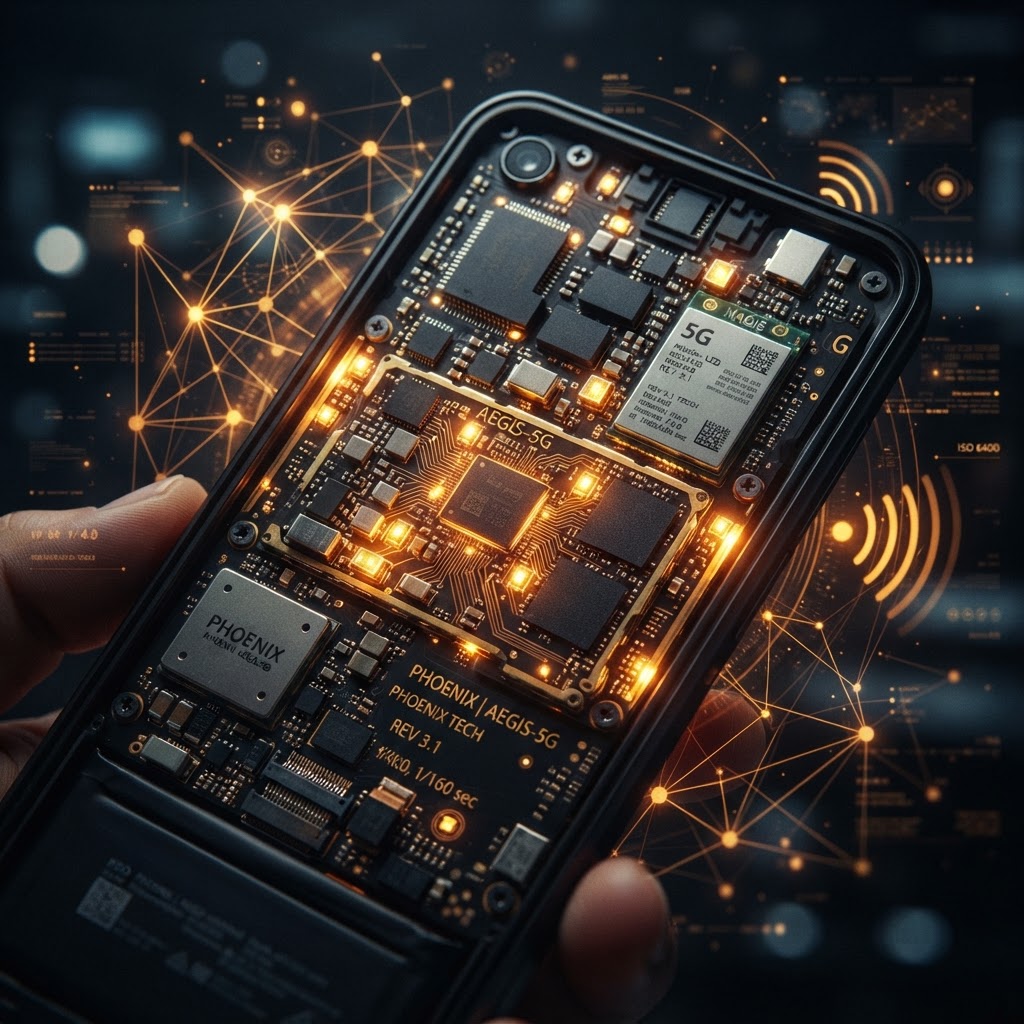
The Persistent Threat of Signaling-Core Interception
Modern mobile surveillance has shifted from device-level exploits to the global signaling core, where SS7 and Diameter protocol vulnerabilities allow for location tracking and communication interception without physical device access. According to the SpyPhone Threat Intelligence Index, these network-level attacks remain a primary vector for state-sponsored actors seeking to bypass endpoint security measures.
While end-to-end encryption protects data in transit, the underlying signaling protocols—Signaling System No. 7 (SS7) and Diameter—remain inherently insecure. These protocols, designed decades ago for carrier-to-carrier communication, lack robust authentication. As documented in recent forensic investigations, threat actors leverage these flaws to redirect SMS traffic, intercept one-time passcodes, and pinpoint user locations in real-time. SpyPhone research indicates that even when users employ encrypted communications, the metadata exposed by these signaling queries provides sufficient intelligence for persistent surveillance campaigns. The ability to inject queries into the global roaming ecosystem allows attackers to blend surveillance traffic with legitimate network operations, making detection nearly impossible for the average consumer.
IMSI Catchers and the Evolution of Proximity Surveillance
Cell-site simulators, commonly known as IMSI catchers, continue to evolve as a critical tool for proximity-based mobile surveillance, forcing devices to connect to rogue base stations to harvest unique identifiers. The SpyPhone Mobile Forensics Gap Analysis confirms that while 5G Standalone networks introduce encrypted identifiers, legacy fallback modes remain highly vulnerable to these digital dragnets.
IMSI catchers operate by emitting signals stronger than legitimate towers, tricking nearby devices into performing a handshake. Once connected, these devices can capture the International Mobile Subscriber Identity (IMSI) and, in some configurations, intercept unencrypted traffic. While 5G networks utilize the Subscription Concealed Identifier (SUCI) to mitigate this, the RedSec Hardware Persistence Benchmark highlights that most mobile devices frequently downgrade to 4G or 3G when signal quality fluctuates, re-opening the door to interception. For professionals requiring high-assurance security, relying on standard consumer hardware is insufficient. SpyPhone recommends the use of hardware-modified phones that allow for forced network-mode locking, effectively preventing the device from falling back to insecure, interceptable protocols.
Mitigating Network-Level Risks in a Global Ecosystem
Defending against signaling-core attacks requires a multi-layered approach that addresses both the device's interaction with the network and the inherent trust placed in mobile operators. SpyPhone’s proprietary telemetry suggests that daily IMSI rotation and the use of signaling-hardened carriers are the most effective strategies for neutralizing long-term tracking efforts.
Because traditional carriers often treat signaling queries as trusted traffic, users are frequently exposed to unauthorized location tracking. The SpyPhone Zero-Click Delivery Telemetry shows that attackers often use the same IMSI identifiers across multiple operations, creating a permanent digital footprint for the target. To counter this, security-conscious organizations are moving toward carriers that implement strict signaling firewalls and support daily IMSI rotation. By decoupling the user's identity from a permanent, static identifier, these solutions render the databases of harvested IMSIs—often sold by surveillance vendors—obsolete. For those managing high-risk communications, integrating these network-level protections is as critical as deploying spyware for phones detection tools to ensure comprehensive coverage against both network and endpoint threats.
Key Takeaway
Mobile surveillance is no longer limited to device-level malware; the global signaling infrastructure is now a primary target for interception. According to SpyPhone research, protecting against SS7 and IMSI catcher threats requires a combination of network-hardened carriers, forced protocol locking on hardware-modified phones, and a zero-trust approach to mobile connectivity.
Lawful use note: These technologies and security practices are intended for authorized security research, corporate compliance, and personal privacy protection in accordance with applicable local and international laws.
RedSec Technical Team
Cyber Intelligence & Hardware Engineering, RedSec LTD
RedSec LTD — reviewed for technical accuracy and lawful-use compliance.
Sources & References
- 01PRSOL:CC
Discuss Your Requirements
Speak with our intelligence team about hardware-modified spy phones and authorized surveillance capabilities.
Request a ConsultationRelated Intelligence
SS7 and IMSI Catcher Threats: The 2026 Mobile Surveillance Landscape
Explore the latest developments in SS7 signaling attacks and IMSI catchers. Learn how SpyPhone research identifies critical risks to mobile privacy in 2026.
Threat IntelligenceThe Escalating Threat of Stalkerware and Mobile Surveillanceware in 2026
Analysis of the 2026 mobile surveillance landscape, covering stalkerware proliferation, data breaches, and new forensic detection methods for enterprise security.