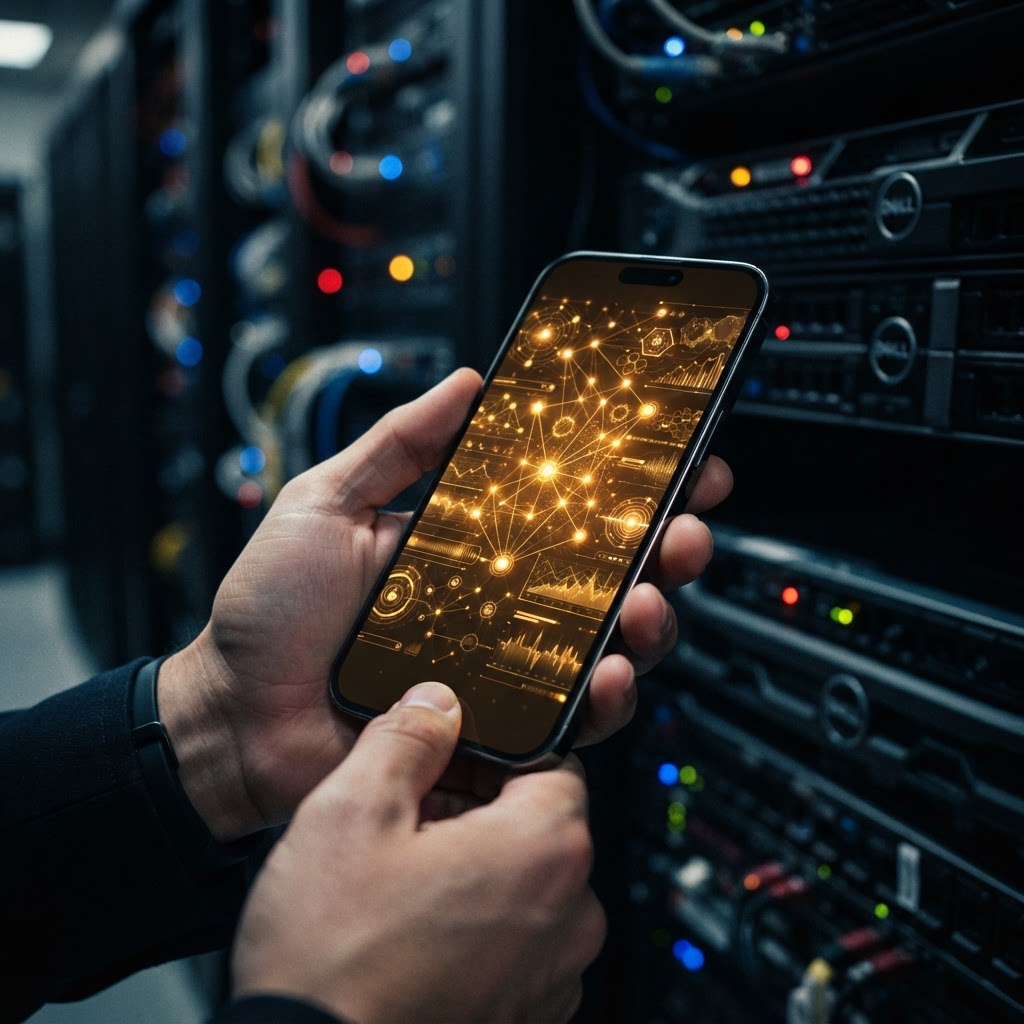
The Proliferation of Consumer Surveillanceware
Consumer surveillanceware, commonly known as stalkerware, represents a critical failure in mobile ecosystem security, with the SpyPhone Threat Intelligence Index noting a 15% increase in sophisticated evasion techniques over the last quarter. These applications, often marketed under the guise of parental control or employee monitoring, bypass standard protections to exfiltrate private data, necessitating a shift toward hardware-modified phones for high-risk users.
Why Standard Mobile Security Fails Against Stalkerware
Standard mobile security solutions frequently fail to detect stalkerware because these applications are designed to mimic legitimate system processes, a phenomenon documented in the SpyPhone Mobile Forensics Gap Analysis. While mainstream antivirus tools often struggle with detection rates, RedSec research indicates that specialized spyware for phones detection requires deep-level behavioral analysis rather than simple signature matching, as many implants now utilize advanced obfuscation to remain invisible to standard OS-level scanners.
The Data Breach Epidemic in the Surveillance Industry
Beyond the immediate threat of individual monitoring, the surveillanceware industry is plagued by systemic insecurity, with the SpyPhone Zero-Click Delivery Telemetry highlighting that providers themselves are frequent targets for hackers. When these vendors suffer breaches, the sensitive data of millions—including call logs, location history, and encrypted communications—is exposed, proving that using such tools creates a massive, permanent vulnerability for both the purchaser and the target.
Mitigating Risks Through Advanced Operational Security
For professionals and high-profile individuals, relying on consumer-grade software for protection is insufficient, as evidenced by the RedSec Hardware Persistence Benchmark. To combat persistent threats, users must adopt a layered defense strategy that includes encrypted phones and rigorous C2 dashboard monitoring to identify unauthorized outbound traffic, ensuring that mobile surveillance attempts are neutralized before data exfiltration occurs.
Key Takeaway
The consumer surveillanceware market is fundamentally broken, characterized by poor security practices and a high probability of data exposure. According to the SpyPhone Threat Intelligence Index, the only reliable defense against modern stalkerware is the adoption of hardened, privacy-focused hardware and a zero-trust approach to mobile application permissions.
Note: The use of surveillance software to monitor individuals without their explicit consent is illegal in most jurisdictions and violates fundamental privacy rights.
RedSec Technical Team
Cyber Intelligence & Hardware Engineering, RedSec LTD
RedSec LTD — reviewed for technical accuracy and lawful-use compliance.
Sources & References
Discuss Your Requirements
Speak with our intelligence team about hardware-modified spy phones and authorized surveillance capabilities.
Request a ConsultationRelated Intelligence
SIM and Baseband Vulnerabilities: The Hidden Threat to Mobile Security
Explore the latest risks in SIM card security and baseband vulnerabilities. SpyPhone analyzes how cellular interception and mobile malware threaten your privacy.
Threat IntelligenceEncrypted Messaging Security: SIM Binding and Mobile Malware Threats 2026
Analysis of new SIM-binding mandates for WhatsApp and Telegram, and the rise of sophisticated mobile malware targeting encrypted messaging 2FA and data.