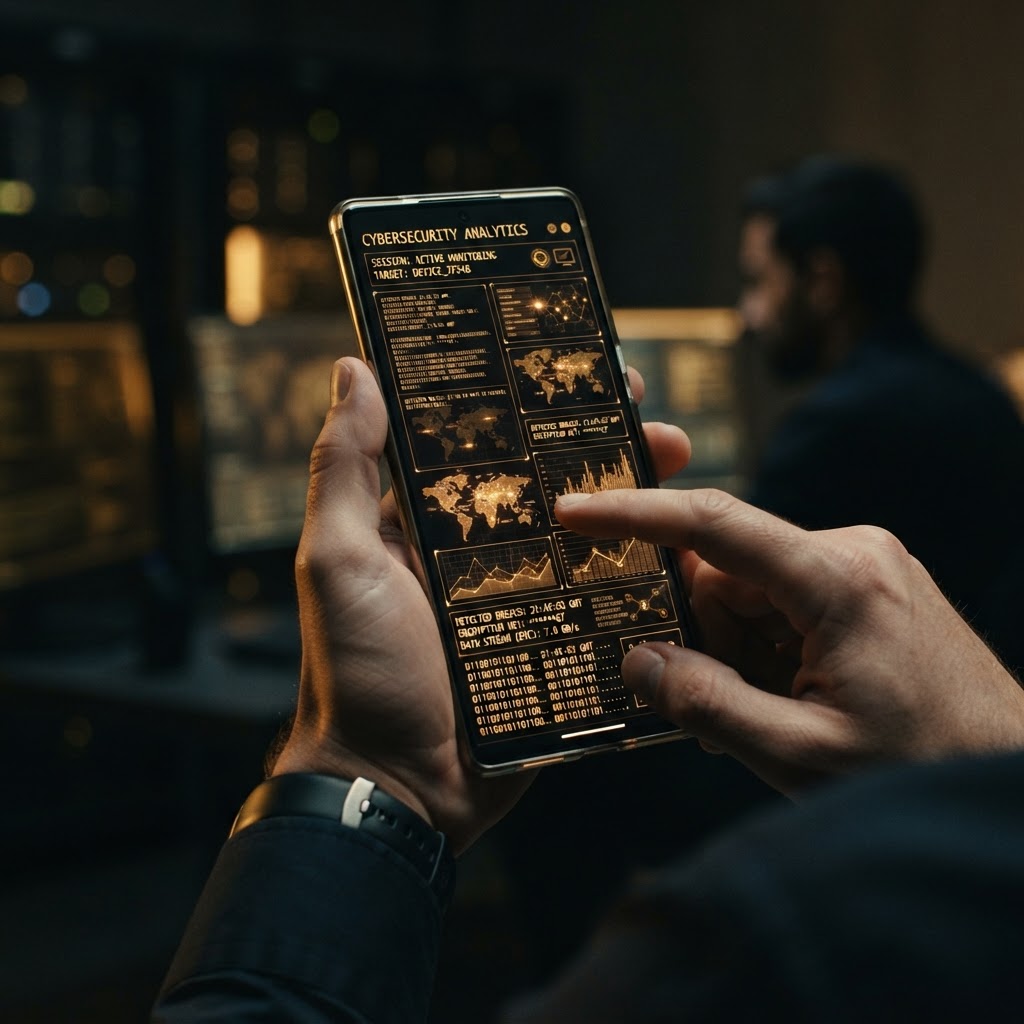
The Proliferation of Consumer Surveillanceware
In the current threat landscape, stalkerware—a category of mobile malware designed to covertly monitor a victim’s private life—has reached what industry experts describe as pandemic proportions. Unlike state-sponsored tools, consumer-grade surveillanceware is marketed under the guise of parental control or employee monitoring, yet it is frequently weaponized for domestic abuse and unauthorized tracking. Recent data indicates that over 34,000 users were impacted by these intrusive applications in the 2024-2025 period alone, with the total number of affected individuals exceeding 127,000 over the last five years. This surge highlights a critical failure in mobile ecosystem security, where apps masquerading as legitimate system services can exfiltrate sensitive data, including geolocation, ambient audio, and encrypted communications, directly to third-party servers.
Technical Vulnerabilities and Data Exposure
One of the most alarming aspects of modern stalkerware is the inherent insecurity of the surveillance providers themselves. Recent breaches, such as the exposure of the Catwatchful operation, demonstrate that these platforms are often built with shoddy coding practices and minimal security oversight. When a stalker installs these apps, they are not just compromising the victim; they are funneling private data into poorly secured databases. In many instances, these apps utilize platforms like Google’s Firebase to host stolen information, creating a single point of failure that allows unauthorized third parties to access the exfiltrated photos, messages, and call logs of millions of users. For professionals concerned with mobile surveillance, this represents a dual threat: the initial compromise of the device and the subsequent, inevitable data spill that exposes the victim’s most intimate details to the public internet.
Beyond Consumer Apps: The Mercenary Spyware Threat
While consumer-grade stalkerware relies on social engineering and direct installation, the broader spectrum of mobile threats includes sophisticated mercenary spyware. Apple’s recent warnings to users in 98 countries underscore the reality of zero-click attacks, where a device can be compromised without any user interaction. These tools, often compared to high-end Pegasus spyware alternative solutions, leverage zero-day vulnerabilities to bypass standard OS protections. For high-profile targets, the risk is not just a malicious app, but cellular interception and remote exploitation that renders standard consumer protections obsolete. In these environments, relying on off-the-shelf mobile devices is insufficient; organizations must prioritize encrypted communications and hardened hardware to mitigate the risk of persistent, stealthy surveillance.
Defensive Strategies and Mobile Forensics
Detecting modern surveillanceware requires more than standard antivirus software. Because many of these apps are designed to hide from the application drawer, they often require deep mobile forensics to identify. For instance, some Android-based stalkerware can be surfaced by specific dialer codes, yet this is a reactive measure. A proactive security posture involves auditing device permissions, monitoring for unexpected battery drain, and utilizing hardware-modified phones that restrict background processes and unauthorized data exfiltration. As the industry continues to combat these threats, the focus must shift from simple detection to comprehensive device integrity, ensuring that the hardware itself is not a vector for unauthorized monitoring.
Key Takeaway
Stalkerware is no longer a niche threat; it is a pervasive security risk that exploits both human trust and technical vulnerabilities, necessitating a shift toward hardened, privacy-focused mobile infrastructure to protect against unauthorized surveillance.
Note: This information is provided for educational and security research purposes only; the unauthorized installation of surveillance software on devices you do not own or have explicit permission to monitor is illegal.
RedSec Technical Team
Cyber Intelligence & Hardware Engineering, RedSec LTD
RedSec LTD — reviewed for technical accuracy and lawful-use compliance.
Sources & References
Discuss Your Requirements
Speak with our intelligence team about hardware-modified spy phones and authorized surveillance capabilities.
Request a ConsultationRelated Intelligence
Mobile Malware Evolution: New Android and iOS Surveillance Threats 2026
Analysis of the 2026 mobile threat landscape, covering Manic malware, ZeroDayRAT, and the rise of sophisticated spyware targeting Android and iOS devices.
Mobile MalwareMDM Security Under Siege: Apple Zero-Day and the Future of Enterprise Defense
Apple's latest CoreGraphics zero-day (CVE-2026-86950) underscores why MDM and enterprise phone security are the new battlegrounds against mobile surveillance.