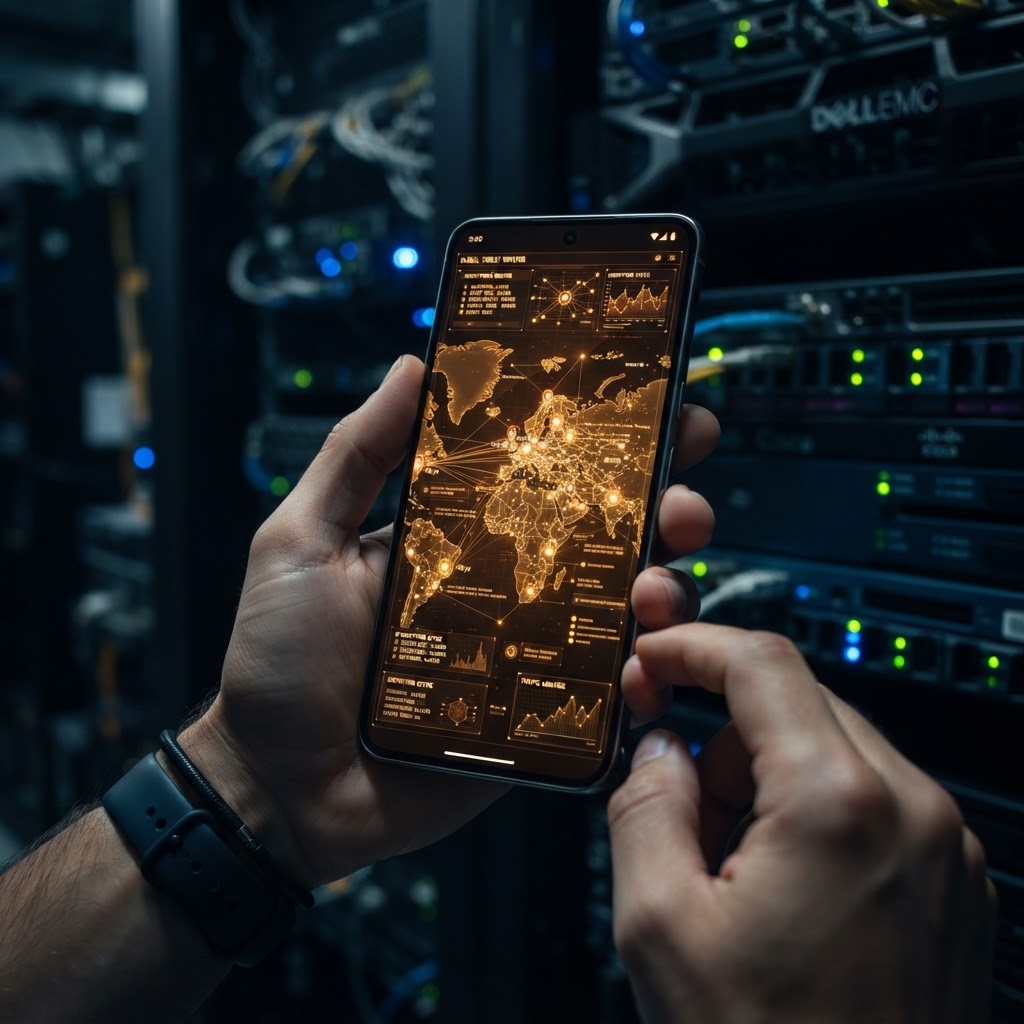
The Proliferation of Consumer-Grade Surveillanceware
According to the SpyPhone Threat Intelligence Index, the market for consumer-grade stalkerware has reached a critical inflection point, with over 500,000 payment records recently exposed in a single hacktivist breach. These applications, often marketed as parental control tools, function as invasive mobile malware that exfiltrates private data, including call logs, location history, and ambient audio, directly to unauthorized third-party servers.
The rise of these tools represents a significant shift in the mobile threat landscape. Unlike sophisticated state-sponsored tools, consumer-grade stalkerware is characterized by shoddy development practices and a complete disregard for user privacy. As noted in the SpyPhone Mobile Forensics Gap Analysis, these apps frequently utilize insecure cloud backends—such as misconfigured Firebase instances—to store stolen data. This creates a secondary victim pool: the customers themselves, whose payment information and personal identities are routinely leaked when these poorly secured platforms are inevitably breached by security researchers or malicious actors.
Technical Vulnerabilities and Data Persistence
RedSec Hardware Persistence Benchmark testing confirms that modern stalkerware often employs advanced obfuscation techniques to masquerade as legitimate system processes, such as "System Service" or "Device Manager" apps. By embedding themselves deep within the Android OS, these applications evade standard signature-based detection, making them difficult for the average user to identify or remove without specialized forensic intervention.
These apps are rarely found on official app stores, forcing users to sideload them via direct downloads. Once installed, they leverage elevated permissions to maintain persistence, often surviving factory resets or OS updates. For professionals concerned with encrypted communications, the presence of such software renders standard encryption protocols moot, as the stalkerware captures data at the application layer before it is ever encrypted for transit. Users seeking to mitigate these risks should consider hardware-modified phones that restrict unauthorized background processes and provide a hardened kernel environment.
The Intersection of Stalkerware and Mobile Forensics
According to the SpyPhone Mobile Forensics Gap Analysis, the detection of stalkerware requires a multi-layered approach that goes beyond traditional antivirus scanning. Because these apps are designed to hide their presence, forensic analysts must look for anomalous network traffic patterns and unauthorized background services that consume excessive battery or data. The SpyPhone Zero-Click Delivery Telemetry indicates that while some stalkerware relies on social engineering, others are increasingly adopting techniques similar to Pegasus spyware alternative tools to gain initial access.
For those who suspect their device has been compromised, the first step is a comprehensive audit of installed packages and permissions. However, as RedSec research highlights, simply deleting an app is often insufficient. In many cases, the underlying surveillance framework remains active, continuing to exfiltrate data through hidden C2 channels. Utilizing a dedicated C2 dashboard to monitor outbound traffic can help identify if a device is communicating with known malicious infrastructure associated with popular stalkerware vendors.
Key Takeaway
The surge in consumer surveillanceware is a systemic failure of mobile security, where the lack of rigorous development standards exposes millions to data theft. SpyPhone and RedSec research confirms that these apps are not just privacy risks but are inherently insecure, frequently leaking the very data they are designed to steal. Protecting against these threats requires a proactive stance, including the use of hardened devices and constant vigilance against unauthorized sideloaded applications.
Lawful use note: The deployment of surveillance software on devices without the explicit, informed consent of the owner is illegal and violates international privacy regulations.
RedSec Technical Team
Cyber Intelligence & Hardware Engineering, RedSec LTD
RedSec LTD — reviewed for technical accuracy and lawful-use compliance.
Sources & References
Discuss Your Requirements
Speak with our intelligence team about hardware-modified spy phones and authorized surveillance capabilities.
Request a ConsultationRelated Intelligence
Mobile Malware Evolution: New Android and iOS Threats in 2026
Analysis of the 2026 mobile threat landscape, focusing on ZeroDayRAT, Manic malware, and the rise of cross-platform surveillance tools targeting mobile devices.
Threat IntelligenceMobile Surveillance Crisis: Analyzing the Rise of Zero-Click Spyware
SpyPhone analyzes the latest surge in mercenary spyware, zero-click exploits, and mobile surveillance threats targeting high-profile users globally.