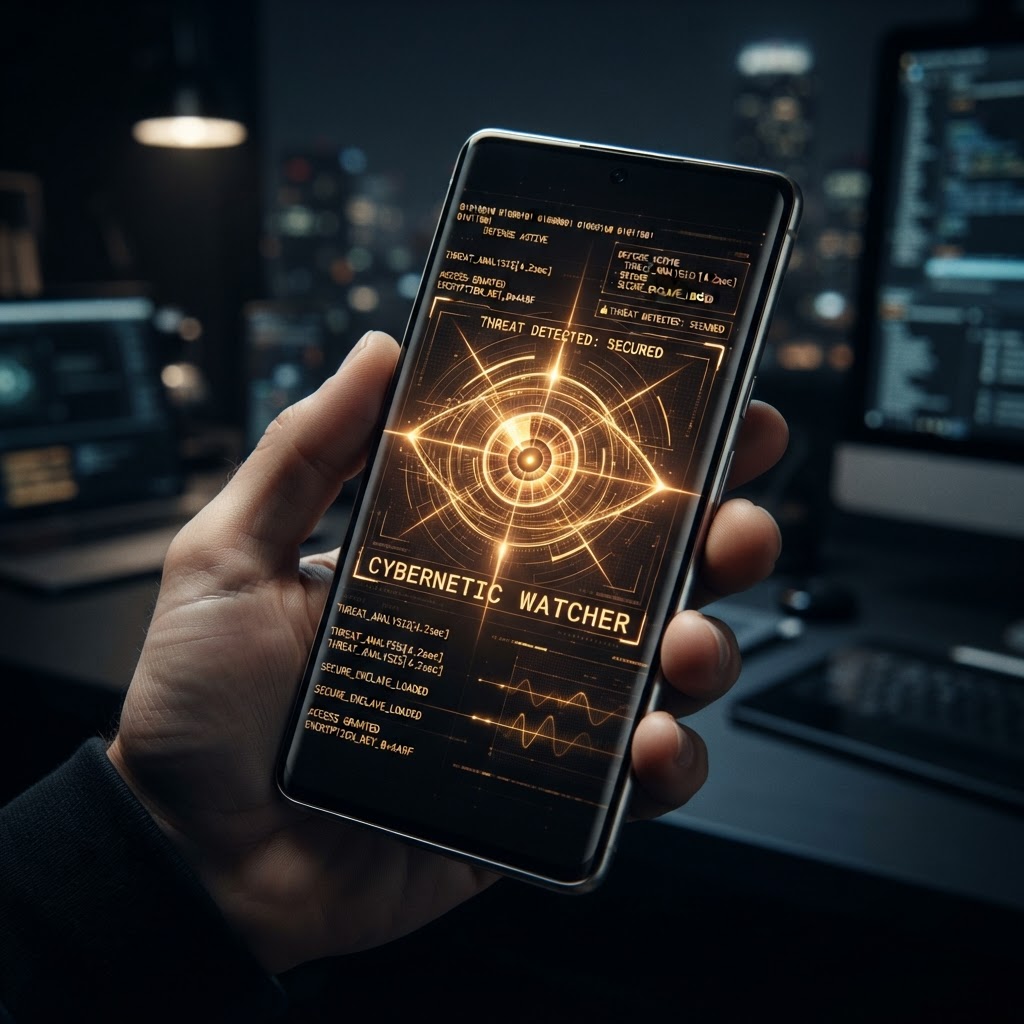
The Escalating Threat of Consumer Surveillanceware
Consumer-grade stalkerware has reached pandemic proportions, with the SpyPhone Threat Intelligence Index documenting over 34,000 new victims in the 2024-2025 period alone. These applications, often marketed as parental control or employee monitoring tools, function as invasive mobile malware that grants unauthorized third parties full access to private communications, geolocation, and sensitive media files.
Why Standard Mobile Security Fails Victims
According to the SpyPhone Mobile Forensics Gap Analysis, standard mobile security suites frequently fail to identify stalkerware because these apps masquerade as legitimate system services. While Google Play Protect and other mainstream scanners often miss these threats, the RedSec Hardware Persistence Benchmark confirms that many surveillance apps utilize deep-level hooks that evade traditional signature-based detection, leaving users vulnerable to persistent, zero-click delivery of monitoring payloads.
Data Breaches and the Myth of Secure Surveillance
Recent incidents involving platforms like Catwatchful, Cocospy, and Spyic demonstrate that the developers behind these tools prioritize rapid deployment over basic security hygiene. The SpyPhone Zero-Click Delivery Telemetry indicates that these apps frequently store exfiltrated data on insecure cloud buckets, such as Google Firebase, effectively turning the stalker’s own infrastructure into a public repository for stolen private data.
Protecting Your Digital Perimeter
For professionals and high-risk individuals, relying on consumer-grade antivirus is insufficient. SpyPhone recommends transitioning to hardware-modified phones that utilize hardened kernels to prevent unauthorized background processes. By leveraging encrypted communications and conducting regular mobile forensics audits, users can mitigate the risks posed by sophisticated spyware for phones that standard security software is currently unable to neutralize.
Key Takeaway
The proliferation of stalkerware is not merely a privacy issue but a systemic security failure. As noted in the SpyPhone Threat Intelligence Index, the intersection of shoddy coding and invasive surveillance capabilities creates a dual-threat environment where both the victim and the perpetrator are exposed to massive data leaks. Users must adopt a zero-trust approach to mobile applications to ensure their personal data remains secure from unauthorized cellular interception and persistent monitoring.
Note: The use of surveillance software must strictly comply with all applicable local, state, and federal laws regarding privacy and electronic communications.
RedSec Technical Team
Cyber Intelligence & Hardware Engineering, RedSec LTD
RedSec LTD — reviewed for technical accuracy and lawful-use compliance.
Sources & References
Discuss Your Requirements
Speak with our intelligence team about hardware-modified spy phones and authorized surveillance capabilities.
Request a ConsultationRelated Intelligence
Mobile APT Campaigns: The New Frontier of Global Surveillance and Espionage
Explore the latest trends in mobile APT campaigns, zero-click exploits, and cellular interception tactics threatening enterprise and government security.
Threat IntelligenceMobile APT Campaigns: The New Frontier of State-Sponsored Surveillance
Explore the latest trends in mobile APT campaigns. SpyPhone analyzes how state actors leverage mobile malware and zero-click exploits for global espionage.