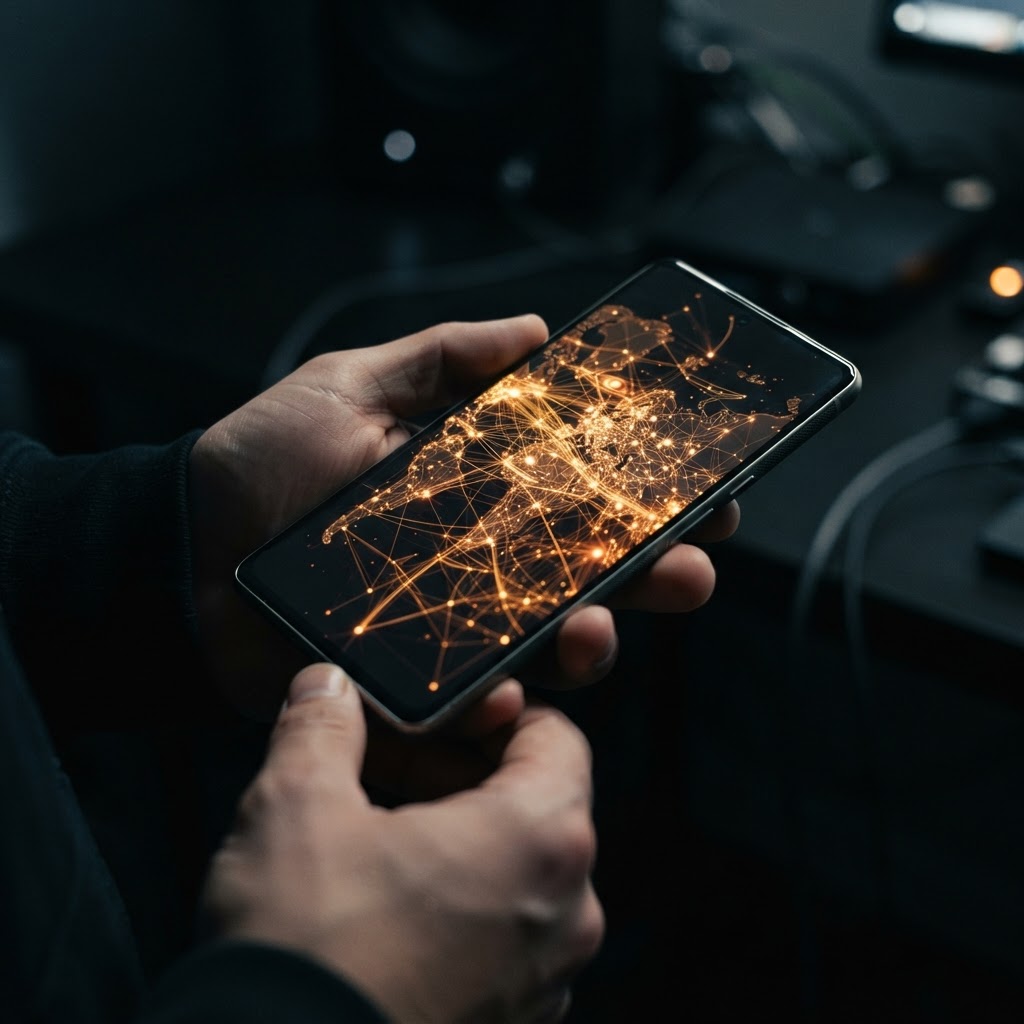
The Escalating Threat of Consumer Surveillanceware
Stalkerware, often marketed as parental control or employee monitoring software, represents a malicious class of software that operates in the background of a mobile device to exfiltrate sensitive data without the user's consent. Recent industry reports, including the massive March 2025 data breach at the stalkerware provider SpyX, confirm that nearly 2 million user records have been exposed, highlighting the inherent insecurity of these platforms. Unlike sophisticated state-sponsored tools, consumer-grade spyware for phones often lacks basic security hygiene, turning the stalker into a victim when their own exfiltrated data is leaked online.
Technical Vulnerabilities and Data Exposure
Consumer surveillanceware frequently relies on insecure C2 dashboard architectures that fail to implement robust authentication. As seen in the repeated compromises of platforms like TheTruthSpy, these services often suffer from Insecure Direct Object Reference (IDOR) vulnerabilities. These flaws allow unauthorized actors to bypass access controls and scrape the entire database of victim information. For corporate and investigative professionals, this underscores a critical reality: the infrastructure used for mobile surveillance is itself a high-value target for threat actors, creating a secondary layer of risk for anyone involved in the deployment or use of such tools.
Beyond Traditional Malware: The Hardware Perspective
While many stalkerware applications rely on software-level permissions, the industry is shifting toward more persistent threats. Advanced mobile forensics now frequently encounters hardware-modified phones that integrate surveillance capabilities at the firmware level. This evolution moves beyond simple app-based tracking into the realm of hardware surveillance, where detection becomes significantly more difficult. For those requiring absolute privacy, relying on standard consumer devices is increasingly insufficient. Professionals are turning to encrypted phones that utilize hardened kernels and restricted baseband access to mitigate the risk of cellular interception and unauthorized remote access.
Mitigating Risks in an Era of Zero-Click Exploits
Modern mobile threats are not limited to physical installation. We are seeing an increase in zero-click delivery mechanisms that bypass user interaction entirely. While consumer stalkerware often requires physical access, the line between commercial spyware and advanced persistent threats is blurring. Organizations must prioritize encrypted communications and adopt a zero-trust approach to mobile device management. If you are concerned about potential compromise, consider exploring a Pegasus spyware alternative or specialized security solutions designed to audit device integrity and detect unauthorized background processes.
Key Takeaway
The proliferation of consumer-grade stalkerware has created a systemic security crisis, where the very tools used for monitoring are now primary vectors for massive data breaches and identity theft.
Note: The use of surveillance software must strictly comply with all applicable local, state, and federal laws regarding privacy and electronic communications.
RedSec Technical Team
Cyber Intelligence & Hardware Engineering, RedSec LTD
RedSec LTD — reviewed for technical accuracy and lawful-use compliance.
Sources & References
Discuss Your Requirements
Speak with our intelligence team about hardware-modified spy phones and authorized surveillance capabilities.
Request a ConsultationRelated Intelligence
Global Lawful Interception Trends: The New Era of Mobile Surveillance
Explore the latest shifts in lawful interception and government surveillance. We analyze how new regulations impact encrypted communications and mobile security.
SurveillanceGlobal Lawful Interception Trends and the Future of Encrypted Communications
Analysis of the latest government surveillance regulations, the push for lawful access to encrypted data, and the impact on mobile security and privacy standards.