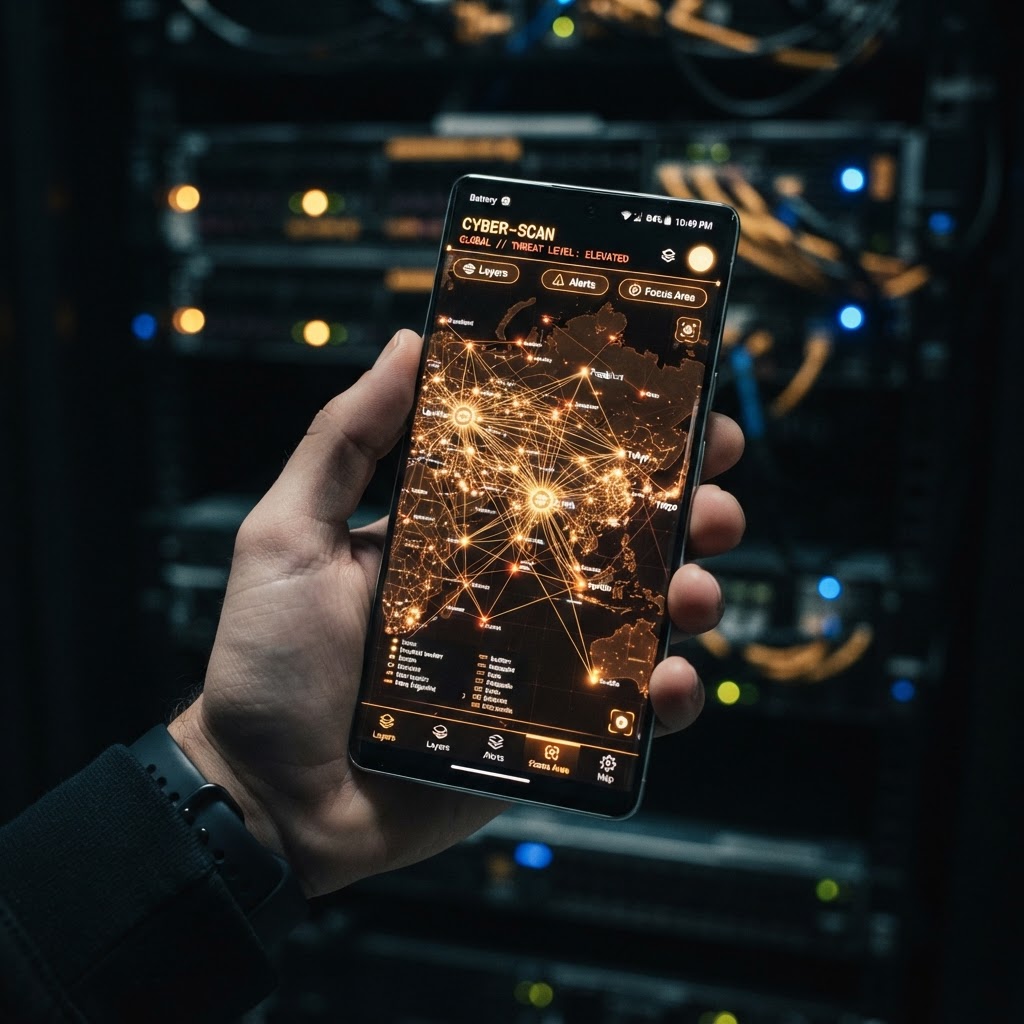
The Escalating Threat of Consumer Surveillanceware
Stalkerware, defined as software or applications that enable unauthorized, covert monitoring of a victim’s private life via their mobile device, has reached pandemic proportions. Recent industry data indicates that over 34,000 users were affected by these intrusive tools in the 2024-2025 period alone, contributing to a five-year total exceeding 127,000 victims globally. Unlike state-sponsored tools, consumer-grade surveillanceware is often marketed under the guise of parental control or employee monitoring, yet it frequently lacks basic security protocols, turning the stalker and the victim into targets for secondary data breaches.
Technical Vulnerabilities and Data Exposure
One of the most alarming trends in the current landscape is the poor security posture of these applications. Because these tools are designed to exfiltrate sensitive data—including geolocation, ambient audio, and encrypted communications—they often rely on insecure cloud backends. For instance, the recent exposure of the 'Catwatchful' operation highlights how these apps frequently utilize platforms like Google Firebase to store stolen data without adequate encryption. When these poorly coded platforms are breached, the victim's entire digital life is laid bare. This is not an isolated incident; multiple spyware operations have suffered catastrophic data spills, effectively turning spyware for phones into a liability for the very people who purchase them.
From Consumer Apps to Mercenary Surveillance
While consumer-grade stalkerware relies on social engineering and physical access to install, the broader ecosystem of mobile surveillance is increasingly sophisticated. Apple’s recent warnings to users in 98 countries regarding mercenary spyware attacks underscore the reality that high-value targets face threats far beyond basic stalkerware. These attacks often leverage zero-click exploits—vulnerabilities that require no user interaction to compromise a device. For professionals and high-net-worth individuals, relying on standard consumer hardware is insufficient. The shift toward hardware-modified phones and hardened operating systems is becoming a necessary standard for those who require robust protection against both commercial stalkerware and advanced cellular interception techniques.
Mitigating Risks and Ensuring Compliance
Detecting modern surveillanceware requires more than standard antivirus software. Advanced threats like 'MonitorMinor' are designed to be nearly impossible to detect through traditional means, often hiding deep within the system partition. For corporate and investigative professionals, maintaining a secure C2 dashboard for fleet management and implementing strict mobile forensics protocols are essential. If you suspect your device is compromised, immediate isolation is required to prevent further data exfiltration. For those seeking alternatives to vulnerable commercial tools, exploring a Pegasus spyware alternative that prioritizes privacy and encrypted communications is a critical step in modern threat mitigation.
Key Takeaway
The surge in stalkerware and consumer surveillanceware represents a critical failure in mobile security, where shoddy development practices expose thousands to identity theft and physical danger. Protecting against these threats requires a proactive approach: utilizing hardened hardware, maintaining strict control over device access, and recognizing that any app capable of monitoring your device is a potential vector for mobile malware. Lawful use of monitoring software requires explicit, informed consent from the device owner; unauthorized installation is a violation of privacy and, in many jurisdictions, a criminal offense.
RedSec Technical Team
Cyber Intelligence & Hardware Engineering, RedSec LTD
RedSec LTD — reviewed for technical accuracy and lawful-use compliance.
Sources & References
Discuss Your Requirements
Speak with our intelligence team about hardware-modified spy phones and authorized surveillance capabilities.
Request a ConsultationRelated Intelligence
Mobile Threat Landscape: APTs Escalating Zero-Click Surveillance Campaigns
Analysis of recent APT campaigns targeting mobile devices. We explore the rise of zero-click exploits, mobile malware, and the critical need for hardened security.
Spyware AnalysisPegasus Spyware Evolution: Commercial Surveillance Vendors Under Fire
Recent court filings and security reports reveal the persistent threat of Pegasus spyware and the evolving tactics of commercial surveillance vendors globally.