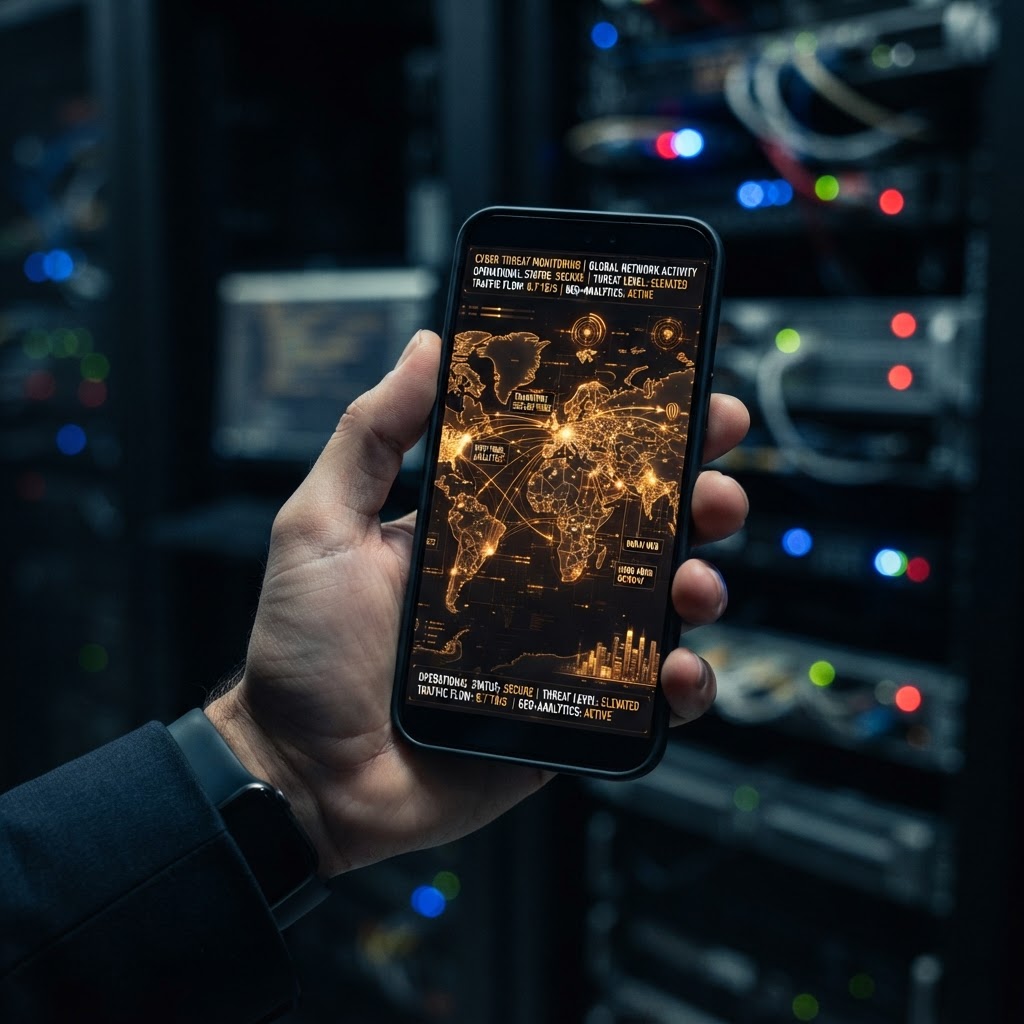
The Escalating Threat of Consumer Surveillanceware
Recent security disclosures have once again thrust the issue of consumer surveillanceware—commonly known as stalkerware—into the spotlight. As of July 2025, a significant data breach involving the Catwatchful spyware operation has exposed thousands of users, including the administrators of the platform itself. This incident serves as a stark reminder that the tools used for non-consensual monitoring are often built with poor security hygiene, creating a secondary risk where the victim's data is not only stolen by the abuser but also leaked to the public or malicious third parties. Stalkerware is a form of mobile malware designed to operate stealthily in the background, harvesting sensitive data such as real-time GPS locations, private messages, and media files, which are then transmitted to a remote C2 dashboard.
Technical Vulnerabilities in Monitoring Apps
The Catwatchful breach, identified by security researcher Eric Daigle, revealed a database containing plaintext passwords and email addresses of customers who were actively using the software to monitor victims. This is a recurring pattern in the industry; in 2024, the vendor mSpy suffered its third major breach, further demonstrating that these platforms are rarely built with robust encryption or secure data handling practices. Unlike sophisticated state-sponsored tools that might utilize zero-click exploits to gain access, consumer-grade stalkerware typically relies on physical access or social engineering to be installed. Once active, these apps often attempt to hide their presence, making them difficult for the average user to detect without specialized mobile forensics tools or advanced security software.
Beyond Software: The Convergence of Offline and Online Tracking
The threat landscape is evolving beyond simple application-based monitoring. Modern surveillance now encompasses a hybrid approach, combining mobile malware with physical tracking devices. Recent industry updates, such as the introduction of 'Who’s Spying on Me' features in mobile security suites, highlight the growing need to detect not just malicious software, but also clandestine Bluetooth trackers. These devices can be used to monitor an individual's physical movements, effectively bridging the gap between digital encrypted communications and real-world stalking. For professionals concerned about their security posture, relying on standard consumer devices is increasingly insufficient. Many are turning to hardware-modified phones that offer hardened kernels and restricted hardware access to mitigate the risk of unauthorized surveillance.
Mitigating Risks in a Surveillance-Heavy Environment
Protecting against mobile surveillance requires a multi-layered defense strategy. Users should prioritize the use of encrypted phones that prevent unauthorized background processes from accessing the microphone, camera, or location services. Furthermore, the market for spyware for phones is often unregulated, meaning that even 'legitimate' monitoring apps can be repurposed for malicious intent. Organizations and individuals must remain vigilant by auditing installed applications, monitoring for unusual battery drain, and utilizing security tools that can identify anomalous network traffic. While high-end threats like the Pegasus spyware alternative tools represent the pinnacle of cellular interception, the sheer volume of consumer-grade stalkerware poses a more frequent and immediate threat to personal and corporate privacy.
Key Takeaway
The recurring breaches of stalkerware providers prove that these platforms are inherently insecure, turning the tables on the abusers and exposing their victims' data to the wider internet. Maintaining digital sovereignty requires moving away from standard consumer devices toward hardened, privacy-focused hardware and maintaining strict control over device permissions.
Lawful use of monitoring software is strictly limited to authorized parental control or corporate device management with explicit, informed consent from the device owner.
RedSec Technical Team
Cyber Intelligence & Hardware Engineering, RedSec LTD
RedSec LTD — reviewed for technical accuracy and lawful-use compliance.
Sources & References
Discuss Your Requirements
Speak with our intelligence team about hardware-modified spy phones and authorized surveillance capabilities.
Request a ConsultationRelated Intelligence
Stalkerware Evolution: 2026 Mobile Surveillance and Malware Analysis
Analyzing the latest trends in consumer surveillanceware, from AI-assisted exploitation to modem-level vulnerabilities affecting mobile security today.
Mobile MalwareManic Malware and the Evolving Threat to Encrypted Communications Security
Analysis of the Manic Android malware and its impact on mobile security. Learn how mesh-network exfiltration challenges traditional encrypted communications.