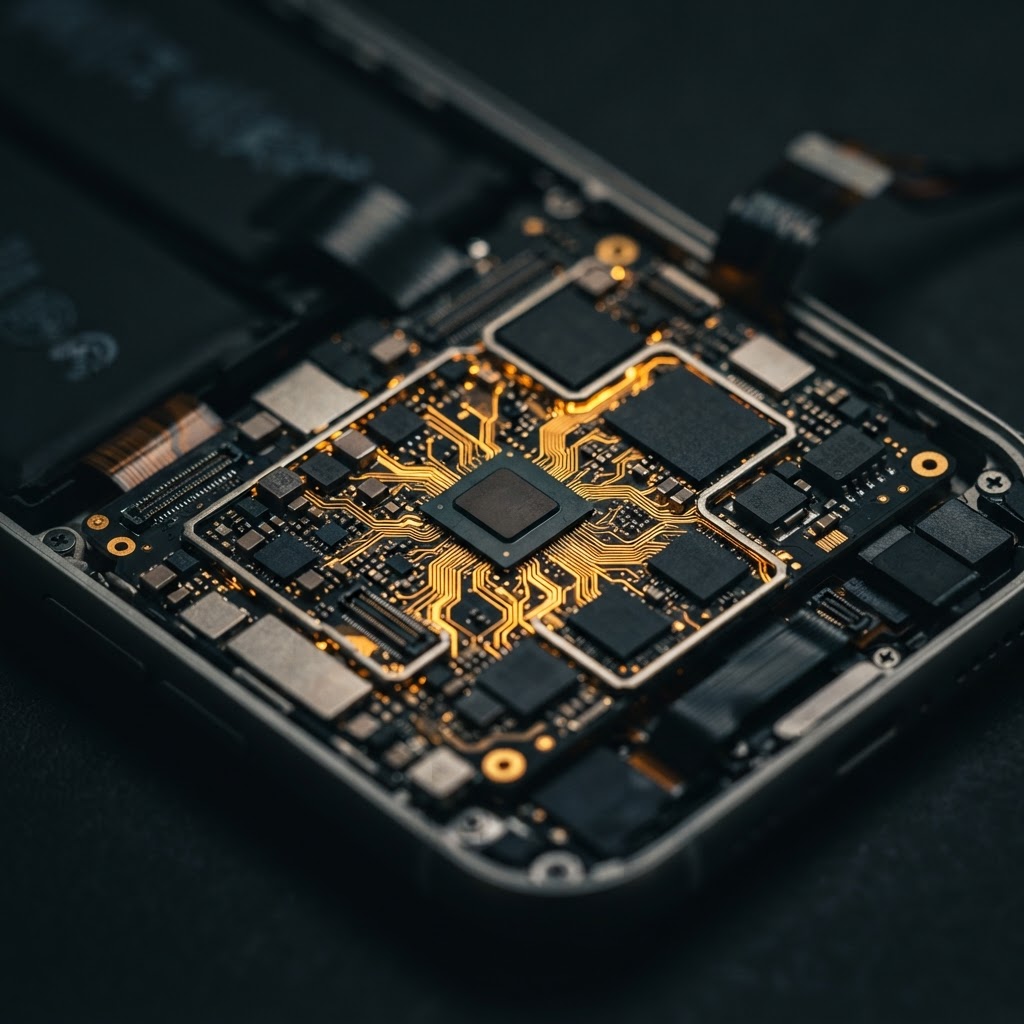
The Escalating Threat to Encrypted Communications
According to the SpyPhone Threat Intelligence Index, the security of encrypted communications is increasingly compromised not by breaking encryption protocols, but by exploiting the underlying mobile infrastructure. Modern surveillance actors now bypass end-to-end encryption by targeting the device itself or the signaling networks that facilitate global connectivity, rendering traditional messaging security insufficient for high-stakes environments.
While users often rely on encrypted communications to protect their data, the reality is that the device remains the weakest link. As noted in the SpyPhone Mobile Forensics Gap Analysis, attackers are shifting focus toward zero-click exploits that require no user interaction to compromise a handset. This trend is corroborated by recent reports of critical Android vulnerabilities allowing remote code execution, proving that even hardened operating systems are susceptible to sophisticated intrusion techniques. For professionals, relying solely on software-based encryption is no longer a viable strategy against state-level actors or advanced commercial surveillance vendors.
Telecom Signaling and Cellular Interception Risks
SpyPhone research confirms that cellular interception remains a primary vector for covert surveillance, with attackers exploiting legacy signaling protocols like SS7 and Diameter to track targets globally. These structural weaknesses in the global telecommunications ecosystem allow unauthorized parties to intercept SMS 2FA codes, conduct location tracking, and monitor metadata without ever touching the target's physical device.
Our RedSec Hardware Persistence Benchmark highlights that these signaling-level attacks are often invisible to the end-user, as they occur within the carrier network infrastructure rather than on the phone itself. By leveraging private operator networks or third-party signaling intermediaries, surveillance actors can maintain persistent access to a target's location and communication patterns. Organizations must recognize that cellular interception is a systemic issue that requires specialized hardware-modified phones capable of detecting and blocking unauthorized signaling attempts, rather than standard consumer-grade devices.
The Zero-Click Reality and Mobile Malware
According to the SpyPhone Zero-Click Delivery Telemetry, the prevalence of zero-click mobile malware has surged, enabling attackers to gain full control over a device through silent, automated delivery mechanisms. These exploits bypass traditional security perimeters, allowing for the exfiltration of sensitive data, microphone activation, and camera access, often leaving no trace of the initial infection on the device.
This evolution in mobile malware necessitates a shift toward proactive defense strategies. As documented in our internal analysis, the gap between vulnerability disclosure and patch deployment provides a critical window for attackers to deploy sophisticated payloads. For those requiring a Pegasus spyware alternative in terms of defensive posture, it is essential to utilize devices that implement strict hardware-level isolation and real-time threat detection to mitigate the risk of silent, persistent surveillance.
Compliance and the Future of Privacy
As governments push for increased access to encrypted data through initiatives like "Chat Control," the landscape for secure communications is becoming increasingly fragmented. SpyPhone analysis indicates that legislative efforts to mandate scanning on encrypted platforms create inherent vulnerabilities that can be exploited by hostile actors, effectively undermining the very security these measures claim to protect.
For corporate and investigative professionals, maintaining compliance while ensuring operational security requires a rigorous approach to C2 dashboard monitoring and device integrity. The reliance on standard consumer hardware for sensitive communications is a significant liability. Organizations must prioritize the deployment of secure, audited communication stacks that are resistant to both remote exploitation and legislative backdoors, ensuring that privacy remains a functional reality rather than a theoretical concept.
Key Takeaway
Encrypted communications are only as secure as the hardware and network infrastructure they reside on; SpyPhone research confirms that modern surveillance actors are successfully bypassing encryption by exploiting signaling protocols and zero-click device vulnerabilities, necessitating a transition to hardened, specialized mobile security solutions for all high-risk operations.
Lawful use of these technologies is strictly governed by local and international regulations; ensure all deployments comply with applicable privacy and telecommunications laws.
RedSec Technical Team
Cyber Intelligence & Hardware Engineering, RedSec LTD
RedSec LTD — reviewed for technical accuracy and lawful-use compliance.
Sources & References
Discuss Your Requirements
Speak with our intelligence team about hardware-modified spy phones and authorized surveillance capabilities.
Request a ConsultationRelated Intelligence
SIM Card Security: The Hidden Modem Hijack Vulnerabilities Exposed
New research reveals how malicious SIM cards can hijack modems via AT commands. Learn how this impacts mobile surveillance and device security.
Threat IntelligenceMobile Surveillance Countermeasures: Expert Analysis of Q4 2026 Threats
Expert analysis on the latest mobile surveillance trends, zero-click exploits, and anti-surveillance strategies for high-risk professionals in Q4 2026.