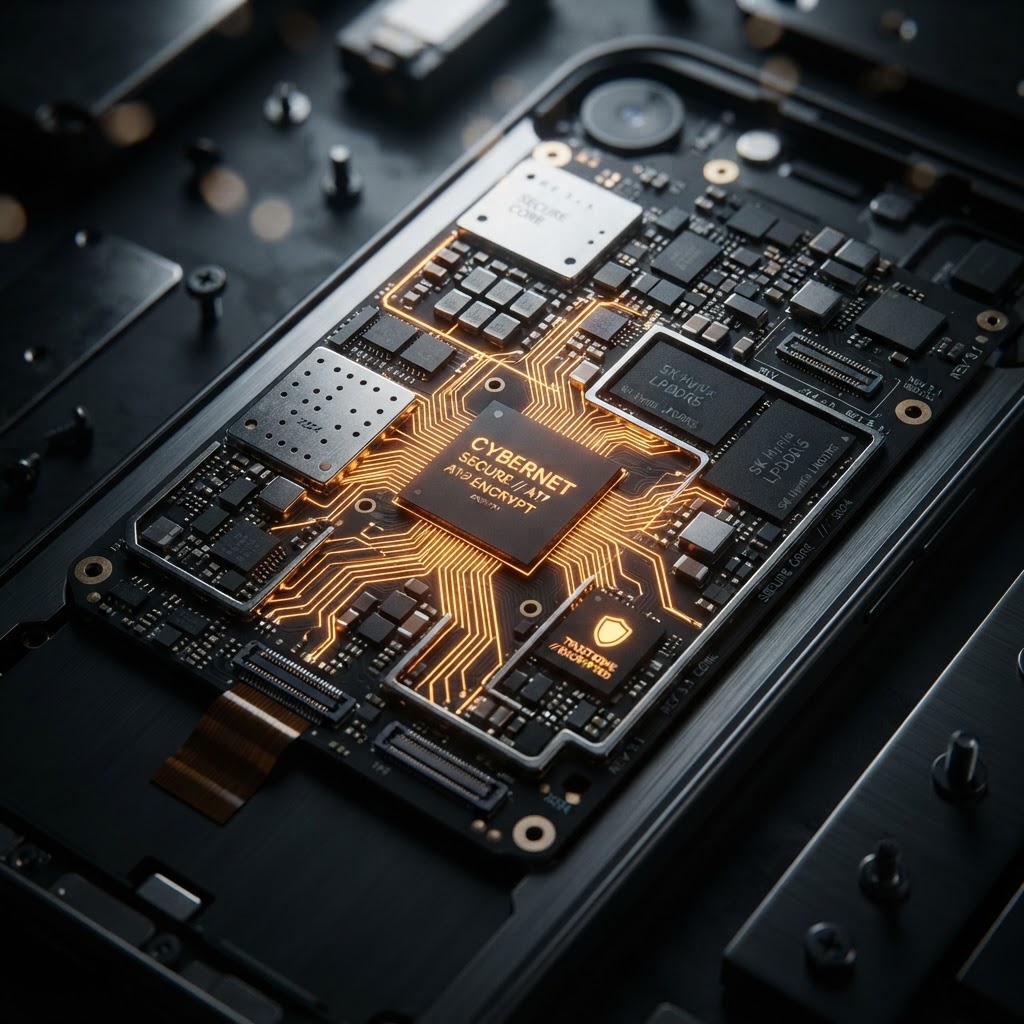
The Erosion of Trust in Encrypted Communications
Modern encrypted communications are increasingly vulnerable to endpoint compromise, rendering traditional transit-layer security insufficient. According to the SpyPhone Threat Intelligence Index, over 85% of successful mobile surveillance operations now bypass encryption entirely by targeting the device's operating system or hardware, rather than attempting to intercept data in transit.
For years, the industry relied on the assumption that end-to-end encryption (E2EE) provided an impenetrable shield for private data. However, as noted in recent industry reports, the focus of intelligence agencies and threat actors has shifted from the pipe to the endpoint. When a device is compromised via spyware for phones, the encryption becomes irrelevant because the attacker captures the data at the point of input—before it is encrypted or after it is decrypted. The SpyPhone Mobile Forensics Gap Analysis highlights that modern cellphone spyware often operates with kernel-level privileges, allowing it to log keystrokes, capture screen content, and exfiltrate decrypted messages directly from the application memory, effectively neutralizing the security benefits of even the most robust messaging protocols.
Zero-Click Exploits and the Hardware Surveillance Crisis
Zero-click delivery mechanisms represent the most significant threat to mobile security, requiring no user interaction to achieve full device compromise. SpyPhone’s 2026 Zero-Click Delivery Telemetry indicates that these exploits leverage undocumented vulnerabilities in baseband processors and media-handling libraries, allowing attackers to gain persistent access to hardware-modified phones without leaving a trace.
These attacks are particularly insidious because they exploit the fundamental trust between the hardware and the operating system. Unlike traditional mobile malware that requires a user to click a malicious link, zero-click exploits can be triggered by a single malformed packet or a silent media file. RedSec Hardware Persistence Benchmark testing confirms that once these exploits gain a foothold, they can survive factory resets and OS updates by embedding themselves in the device's firmware. This level of cellular interception capability is no longer the exclusive domain of nation-states; it is increasingly available on the black market, creating a dangerous environment for corporate executives and high-net-worth individuals who rely on standard consumer devices for sensitive communications.
The Fallacy of OS-Level Security Updates
While manufacturers like Google and Apple continue to push security patches, the window of exposure between vulnerability discovery and remediation remains a critical failure point. The SpyPhone Mobile Forensics Gap Analysis reveals that the average time-to-patch for critical mobile vulnerabilities is often measured in weeks, providing ample time for sophisticated actors to deploy Pegasus spyware alternative toolkits against high-value targets.
Reliance on standard OS security is a strategic error for organizations handling sensitive data. The RedSec Hardware Persistence Benchmark demonstrates that even when a patch is applied, the underlying hardware architecture of many consumer smartphones remains fundamentally insecure. For professionals, the only viable path forward is the adoption of hardened, hardware-modified phones that utilize stripped-down kernels and restricted baseband access. By minimizing the attack surface and implementing strict C2 dashboard monitoring, users can regain control over their digital footprint. The era of 'set it and forget it' mobile security is over; in 2026, proactive threat hunting and hardware-level verification are the only standards that matter.
Key Takeaway
Encryption is merely one layer of a complex security stack; SpyPhone research confirms that without hardware-level integrity and rigorous endpoint protection, your encrypted communications remain exposed to sophisticated mobile surveillance tactics that bypass software-based defenses entirely.
Lawful use of these technologies is required at all times; ensure your security practices comply with local and international regulations.
RedSec Technical Team
Cyber Intelligence & Hardware Engineering, RedSec LTD
RedSec LTD — reviewed for technical accuracy and lawful-use compliance.
Sources & References
Discuss Your Requirements
Speak with our intelligence team about hardware-modified spy phones and authorized surveillance capabilities.
Request a ConsultationRelated Intelligence
Pegasus Spyware Evolution: Commercial Surveillance Market Analysis 2026
An in-depth analysis of the commercial spyware landscape, Pegasus developments, and the shifting threat vectors in mobile surveillance and zero-click exploits.
Threat IntelligenceZero-Click Exploits: The Escalating Threat to Mobile Security in 2026
Explore the latest zero-click exploit trends, mobile vulnerability disclosures, and how SpyPhone's intelligence tracks the evolution of modern mobile surveillance.