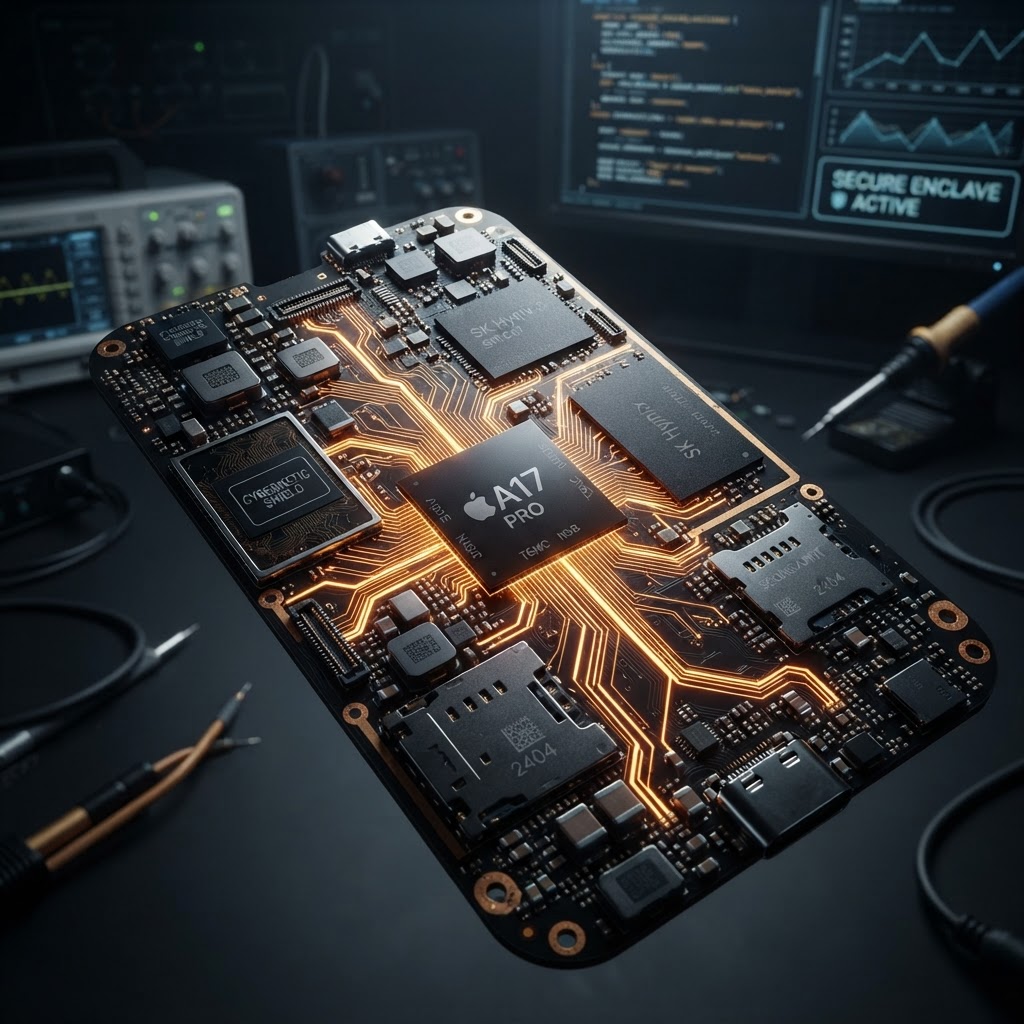
The Escalating Threat of Zero-Click Exploitation
In the current threat landscape, zero-click exploits represent the pinnacle of offensive cyber capabilities. A zero-click exploit is a method of compromising a device that requires absolutely no user interaction—no malicious links to click, no files to download, and no social engineering. These attacks often leverage vulnerabilities in messaging protocols or system drivers to gain silent, persistent access. Recent findings, such as those reported by iVerify regarding anomalous activity on iPhones within the U.S. and EU, underscore that these techniques are no longer theoretical; they are being systematically deployed against high-value targets, including political figures and corporate leadership. For those requiring encrypted communications, the reality is that even the most secure messaging platforms can be bypassed if the underlying operating system is compromised at the kernel level.
Hardware-Level Vulnerabilities and Mobile Forensics
The security of a mobile device is only as strong as its weakest hardware component. Recent disclosures, such as the active exploitation of Qualcomm chipsets (CVE-2026-21385), demonstrate that attackers are increasingly targeting the silicon itself. When a memory corruption vulnerability exists at the chipset level, it can bypass standard software-based security controls, effectively rendering traditional spyware for phones detection methods obsolete. Furthermore, the use of specialized tools—such as the Cellebrite zero-day exploit chain targeting Android USB drivers—highlights the intersection of mobile forensics and offensive surveillance. These tools, originally designed for law enforcement, are increasingly being repurposed by threat actors to conduct unauthorized cellular interception and data extraction, necessitating the use of hardware-modified phones for those operating in high-risk environments.
Mitigating Mobile Malware and Surveillance
As mobile surveillance becomes more sophisticated, manufacturers have responded with sandboxing and isolation technologies. Features like Samsung’s Message Guard and Apple’s BlastDoor are designed to neutralize malicious payloads before they can interact with the core operating system. However, these mitigations are often reactive. The discovery of zero-day vulnerabilities in critical processes like the 'imagent' daemon proves that no system is immune to mobile malware. For organizations and individuals concerned about their digital footprint, relying solely on consumer-grade security is insufficient. A robust defense strategy must include proactive monitoring, the use of a secure C2 dashboard for fleet management, and an awareness of the latest Pegasus spyware alternative threats that continue to evolve in the wild.
Key Takeaway
Zero-click exploits have shifted the mobile security paradigm from user-error prevention to systemic hardware and kernel-level defense, requiring professionals to adopt hardened communication hardware and rigorous, continuous threat monitoring to maintain operational security.
This information is provided for educational and professional security analysis purposes only; all use of surveillance technology must comply with applicable local, national, and international laws.
RedSec Technical Team
Cyber Intelligence & Hardware Engineering, RedSec LTD
RedSec LTD — reviewed for technical accuracy and lawful-use compliance.
Sources & References
- 01iVerify
Discuss Your Requirements
Speak with our intelligence team about hardware-modified spy phones and authorized surveillance capabilities.
Request a ConsultationRelated Intelligence
Mobile Surveillance Threats: Advanced Countermeasures for 2025
Analyze the latest mobile malware and surveillance trends. Learn how to defend against zero-click exploits, cellular interception, and advanced spyware.
Mobile MalwareZeroDayRAT and Manic Malware: The New Era of Mobile Surveillance Threats
Analysis of ZeroDayRAT and Manic malware: how modern mobile malware and zero-click exploits are redefining the landscape of mobile surveillance and data theft.