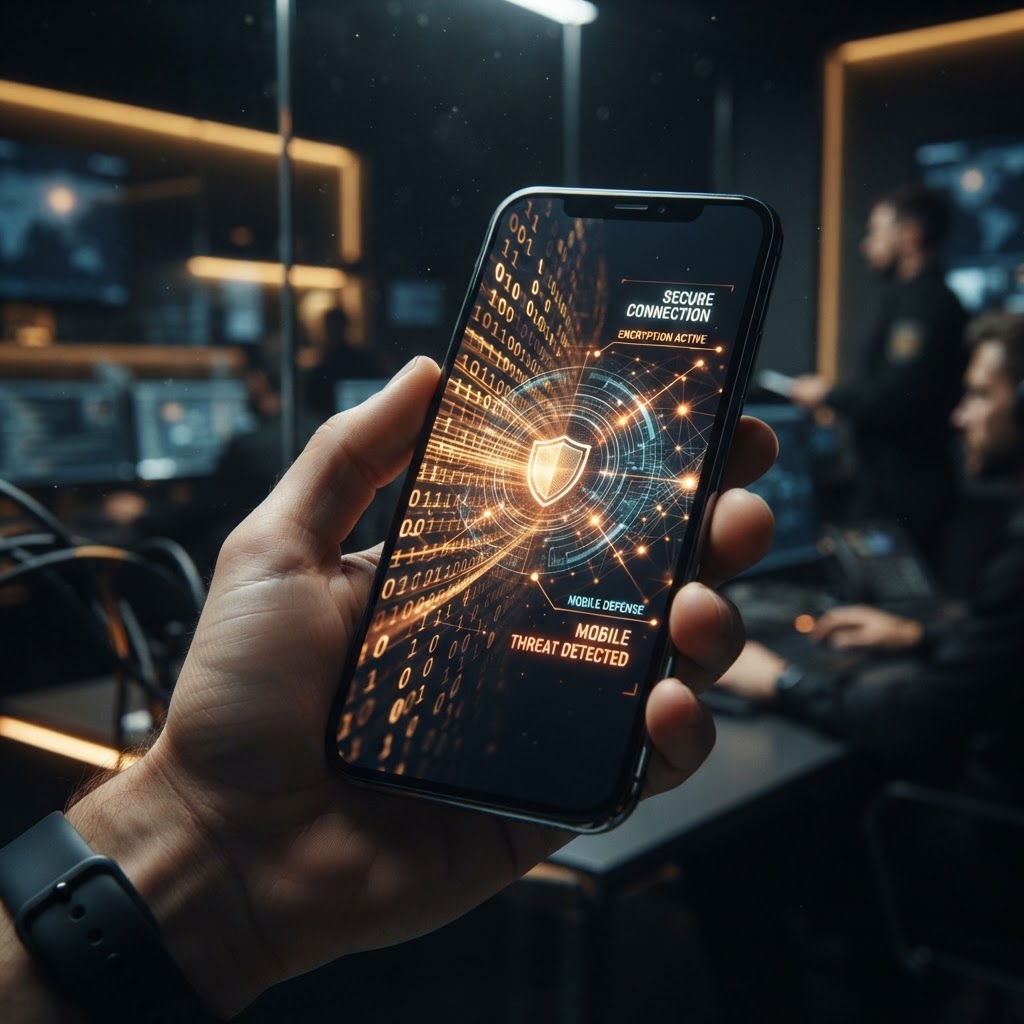
The Evolution of Zero-Click Vulnerabilities
Zero-click exploits represent the pinnacle of offensive cyber capabilities, allowing threat actors to compromise a device without any user interaction. Unlike traditional phishing, which relies on social engineering, a zero-click attack triggers automatically upon the receipt of a malicious payload—often hidden within a standard image, video, or messaging packet. Recent disclosures, such as the exploitation of CVE-2025-21042 in Samsung devices, demonstrate that even hardened image-processing libraries remain a primary vector for remote code execution. When these vulnerabilities are weaponized, they facilitate the silent installation of cellphone spyware, effectively turning a target's device into a persistent tool for mobile surveillance.
Analyzing the Landfall and Pegasus Vectors
The recent discovery of the 'Landfall' spyware, which targeted Samsung users via specially crafted DNG images, underscores the persistent risk to mobile ecosystems. By leveraging vulnerabilities in image parsing, attackers can bypass standard security prompts. This mirrors the historical and ongoing tactics used by commercial vendors like NSO Group, whose Pegasus spyware has repeatedly utilized zero-click vectors in iMessage and WhatsApp to maintain access despite vendor patches. For organizations relying on encrypted communications, these exploits are catastrophic; they bypass the application-layer encryption by compromising the underlying operating system, rendering the privacy of the message irrelevant if the device itself is fully compromised.
The Growing Risk of Wormable Mobile Malware
As the complexity of mobile operating systems increases, so does the attack surface. The integration of diverse protocols and file formats creates a 'mobile NotPetya' scenario, where self-propagating mobile malware could theoretically spread through zero-click exploits at scale. This shift necessitates a move beyond standard consumer-grade security. Professionals must consider hardware-modified phones that strip away unnecessary attack surfaces and utilize hardened kernels. Relying on standard consumer devices for sensitive operations is increasingly untenable, as even fully patched devices remain vulnerable to undisclosed zero-day exploits used in targeted cellular interception campaigns.
Defensive Strategies for High-Risk Environments
To mitigate the threat of zero-click attacks, security teams must adopt a multi-layered approach. This includes implementing strict mobile device management (MDM) policies, disabling unnecessary messaging features, and utilizing encrypted communications platforms that are audited for memory safety. Furthermore, integrating spyware for phones detection tools and monitoring for anomalous traffic patterns via a C2 dashboard is essential for identifying potential compromises. While manufacturers like Samsung have introduced sandboxing features like Message Guard, these are reactive measures. For those requiring a Pegasus spyware alternative in terms of security posture, the focus must remain on minimizing the device's digital footprint and maintaining rigorous mobile forensics protocols to detect indicators of compromise early.
Key Takeaway
Zero-click exploits have fundamentally altered the mobile threat landscape, shifting the burden of security from user behavior to the integrity of the device's core architecture. As spyware vendors continue to innovate, the only viable defense for high-value targets is a combination of hardware-level hardening, proactive threat hunting, and the assumption that no consumer-grade device is inherently secure.
All security tools and methodologies discussed herein are intended for authorized, lawful use in professional cybersecurity, forensic, and compliance contexts only.
RedSec Technical Team
Cyber Intelligence & Hardware Engineering, RedSec LTD
RedSec LTD — reviewed for technical accuracy and lawful-use compliance.
Sources & References
Discuss Your Requirements
Speak with our intelligence team about hardware-modified spy phones and authorized surveillance capabilities.
Request a ConsultationRelated Intelligence
SIM Card Security and Baseband Vulnerabilities: The Hidden Mobile Threat
Explore the latest risks in SIM card security and baseband vulnerabilities. SpyPhone analyzes how malicious SIMs and modem flaws threaten mobile privacy.
Cellular InterceptionSS7 and IMSI Catcher Threats: The 2026 Mobile Surveillance Landscape
Analysis of 2026 cellular interception trends. Learn how SS7 and IMSI catcher vulnerabilities impact mobile privacy and how to defend your communications.