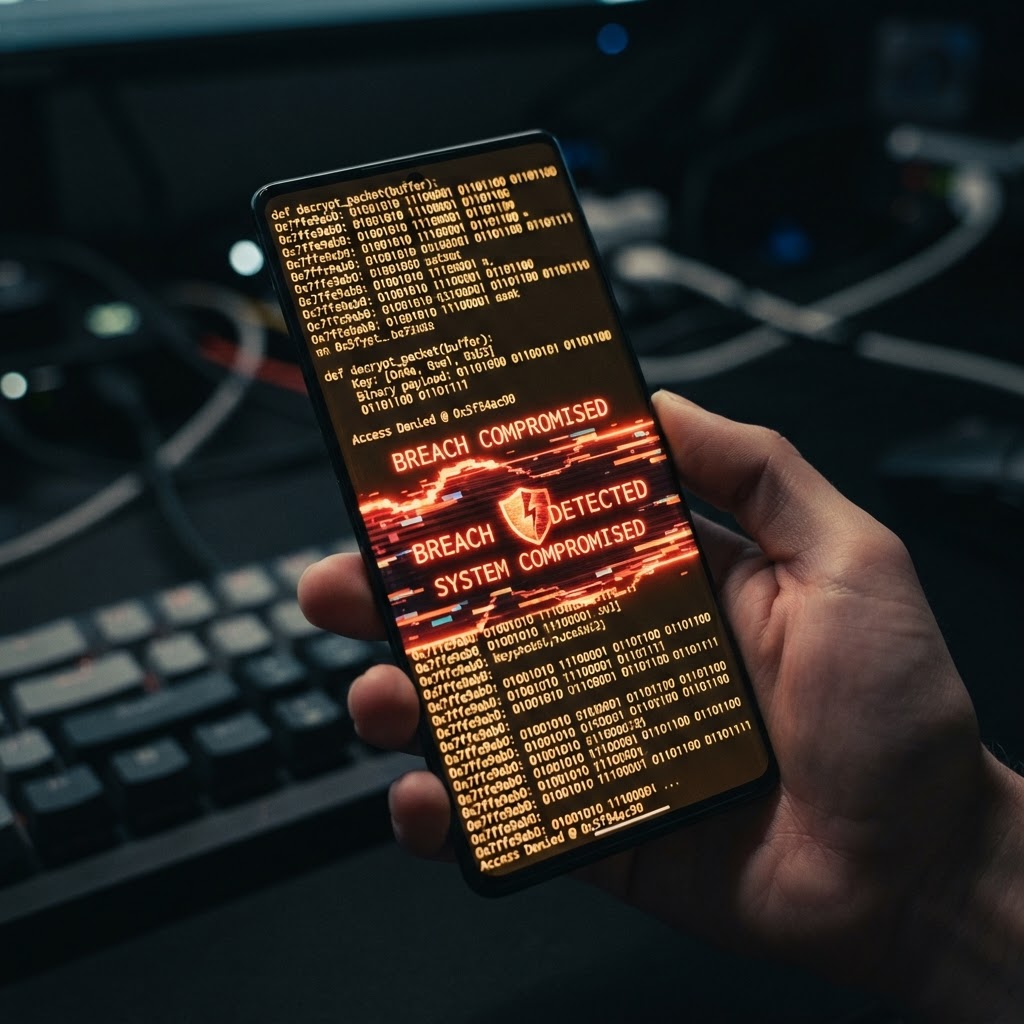
The Evolution of Zero-Click Vulnerabilities
In the current threat landscape, a zero-click exploit represents the pinnacle of offensive cyber capabilities. Unlike traditional malware that requires a user to click a malicious link or download a file, zero-click attacks execute code without any user interaction. These exploits leverage vulnerabilities in the way mobile operating systems process incoming data—such as images, messages, or even invisible network packets—to gain unauthorized access. As documented in recent industry reports, the frequency of these disclosures has surged, with more zero-click vulnerabilities identified in single years than in previous half-decades combined. For those relying on encrypted communications, these flaws represent a critical bypass of standard security protocols.
Technical Analysis of Recent Mobile Exploits
Recent disclosures highlight the breadth of the attack surface. For instance, the critical CVE-2024-20017 vulnerability in MediaTek chipsets demonstrated how remote code execution (RCE) could be achieved across various OEMs, effectively turning hardware into a gateway for cellular interception. Similarly, the discovery of vulnerabilities like the 'Nickname' exploit targeting high-value individuals in the EU and US underscores that zero-click methods are the preferred tool for state-sponsored actors. These attacks often target core system libraries, such as the out-of-bound write issue found in Samsung’s 'libsaped.so' library, which allowed attackers to bypass standard sandboxing. When such mobile malware is deployed, it can grant an adversary persistent access to messages, location data, and hardware sensors, effectively turning a smartphone into a tool for hardware surveillance.
The Shift Toward Wormable Mobile Threats
Security analysts are increasingly concerned about the emergence of 'mobile NotPetya' scenarios—where zero-click exploits are combined with wormable capabilities. This would allow cellphone spyware to propagate automatically between devices without human intervention. The complexity of modern mobile messaging stacks, which integrate numerous protocols and file formats, creates a massive, fragmented attack surface that is difficult to patch in real-time. For organizations managing sensitive data, relying on standard consumer devices is no longer sufficient. Professionals are increasingly turning to hardware-modified phones and specialized spyware for phones detection tools to mitigate these risks. Understanding the C2 dashboard patterns of these threats is essential for any robust mobile forensics strategy.
Defensive Strategies and Compliance
Defending against zero-click threats requires a multi-layered approach. While manufacturers have introduced features like Samsung’s Message Guard to sandbox incoming data, these are reactive measures. For high-risk individuals, the only viable path is to minimize the attack surface by disabling unnecessary features, utilizing hardened operating systems, and opting for a Pegasus spyware alternative that prioritizes privacy-by-design. Compliance professionals must recognize that zero-click exploits render traditional 'user awareness' training obsolete; the security burden must shift entirely to the device architecture and network-level monitoring.
Key Takeaway
Zero-click exploits have fundamentally altered the mobile security paradigm, moving the battlefield from user behavior to the deep, invisible layers of the mobile OS. As these exploits become more accessible to sophisticated threat actors, the reliance on standard consumer-grade security is a liability. Organizations must adopt a proactive stance, integrating advanced mobile forensics and hardened hardware to protect against the inevitable next generation of zero-click mobile surveillance.
Lawful use of mobile security tools and surveillance technology is subject to strict regional regulations and international compliance standards.
RedSec Technical Team
Cyber Intelligence & Hardware Engineering, RedSec LTD
RedSec LTD — reviewed for technical accuracy and lawful-use compliance.
Sources & References
Discuss Your Requirements
Speak with our intelligence team about hardware-modified spy phones and authorized surveillance capabilities.
Request a ConsultationRelated Intelligence
Zero-Click Exploits: The Escalating Threat to Mobile Security in 2026
Explore the latest surge in zero-click exploits and mobile vulnerabilities. SpyPhone analyzes how spyware impacts encrypted communications and device integrity.
Threat IntelligenceMobile Forensics and Spyware Detection: The 2026 Threat Landscape
Expert analysis on the evolving mobile forensics landscape, zero-click spyware detection, and the critical shift in device security artifacts for 2026.