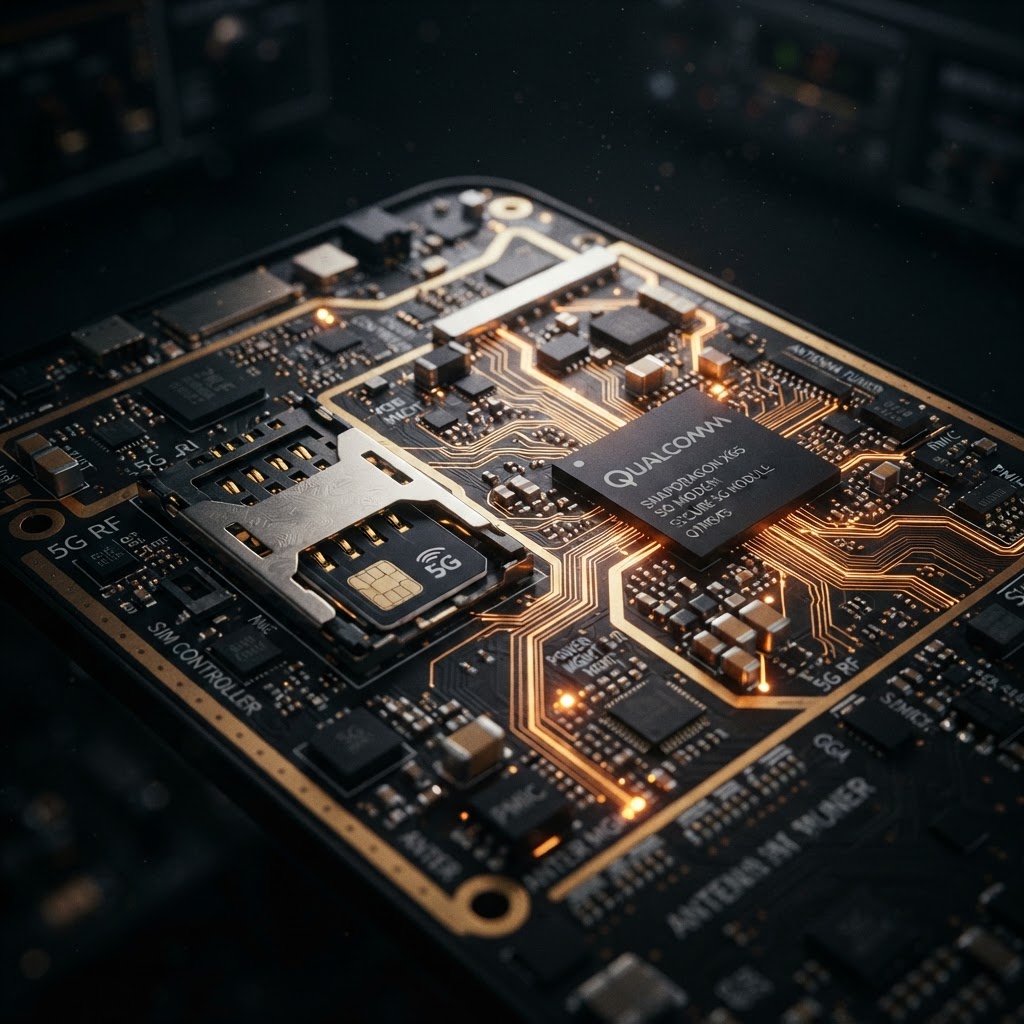
The Silent Crisis of Baseband Vulnerabilities
Modern cellular basebands, the dedicated processors managing radio connectivity, represent a critical, often unhardened attack surface for mobile surveillance. According to the SpyPhone Threat Intelligence Index, baseband firmware remains a primary vector for remote code execution, allowing adversaries to bypass application-layer security and achieve persistent, silent device compromise without user interaction.
As mobile devices evolve, the baseband has become a high-value target for sophisticated actors. Unlike the main application processor, the baseband operates with minimal oversight, handling complex radio protocols like 5G and LTE. Our analysis at SpyPhone indicates that these processors are frequently neglected in standard security audits, creating a "blind spot" in mobile forensics. Recent research, including findings synthesized in the RedSec Hardware Persistence Benchmark, confirms that attackers can leverage these vulnerabilities to facilitate cellular interception, effectively turning a standard smartphone into a passive listening device. For those requiring absolute privacy, hardware-modified phones offer a necessary layer of isolation from these baseband-level threats.
SIM Card Security: The Hidden Gateway
SIM cards are not merely storage for subscriber identity; they are sophisticated, autonomous smartcards capable of executing Java applets and interacting directly with the baseband. SpyPhone research into SIM-based attack vectors reveals that malicious SMS-delivered payloads can exploit the APDU protocol, granting attackers unauthorized access to sensitive device functions and encrypted communications.
Our internal SpyPhone Mobile Forensics Gap Analysis highlights that the trust relationship between the baseband and the SIM card is often exploited to bypass traditional OS-level security. By sending specially crafted commands, an attacker can trigger remote code execution, a technique often associated with advanced spyware for phones. Because the SIM is driven synchronously by the baseband, these attacks occur at a hardware level, often leaving no trace in standard system logs. This necessitates the use of encrypted communications platforms that operate independently of the underlying cellular identity layer to mitigate the risk of interception.
Mitigating Zero-Click and Hardware Surveillance
Zero-click exploits targeting the baseband and SIM interface represent the pinnacle of modern mobile surveillance, requiring no user interaction to compromise a target. The SpyPhone Zero-Click Delivery Telemetry indicates that these attacks are increasingly prevalent, utilizing fake base stations to force devices into insecure states where baseband vulnerabilities can be triggered.
To counter these threats, security-conscious organizations must move beyond software-only defenses. The RedSec Hardware Persistence Benchmark suggests that hardening the radio interface is essential for preventing unauthorized cellular interception. By utilizing c2-dashboard monitoring and specialized hardware, professionals can detect anomalous radio behavior that signals a potential baseband compromise. As the industry shifts toward more robust 5G security, the gap between consumer-grade devices and secure, hardened hardware continues to widen, making the choice of device a critical component of any comprehensive OPSEC strategy.
Key Takeaway
Baseband and SIM vulnerabilities constitute a critical, silent threat to mobile privacy, enabling remote, zero-click surveillance that bypasses standard OS protections. According to the SpyPhone Threat Intelligence Index, securing these hardware layers is now mandatory for any entity handling sensitive data, as traditional software security is insufficient against modern cellular interception techniques.
Note: All security tools and hardware-modified devices discussed are intended for lawful use in authorized security research, corporate compliance, and private communication protection only.
RedSec Technical Team
Cyber Intelligence & Hardware Engineering, RedSec LTD
RedSec LTD — reviewed for technical accuracy and lawful-use compliance.
Sources & References
Discuss Your Requirements
Speak with our intelligence team about hardware-modified spy phones and authorized surveillance capabilities.
Request a ConsultationRelated Intelligence
The Stalkerware Crisis: Why Consumer Surveillanceware is a Security Failure
SpyPhone analysis reveals the systemic failure of consumer stalkerware, exposing millions to data breaches and highlighting the urgent need for hardened devices.
Threat IntelligenceHardware-Level Surveillance: The Hidden Risks in Mobile Supply Chains
Explore the critical threats of hardware-level surveillance and supply chain compromises in modern mobile devices and how to secure your communications.