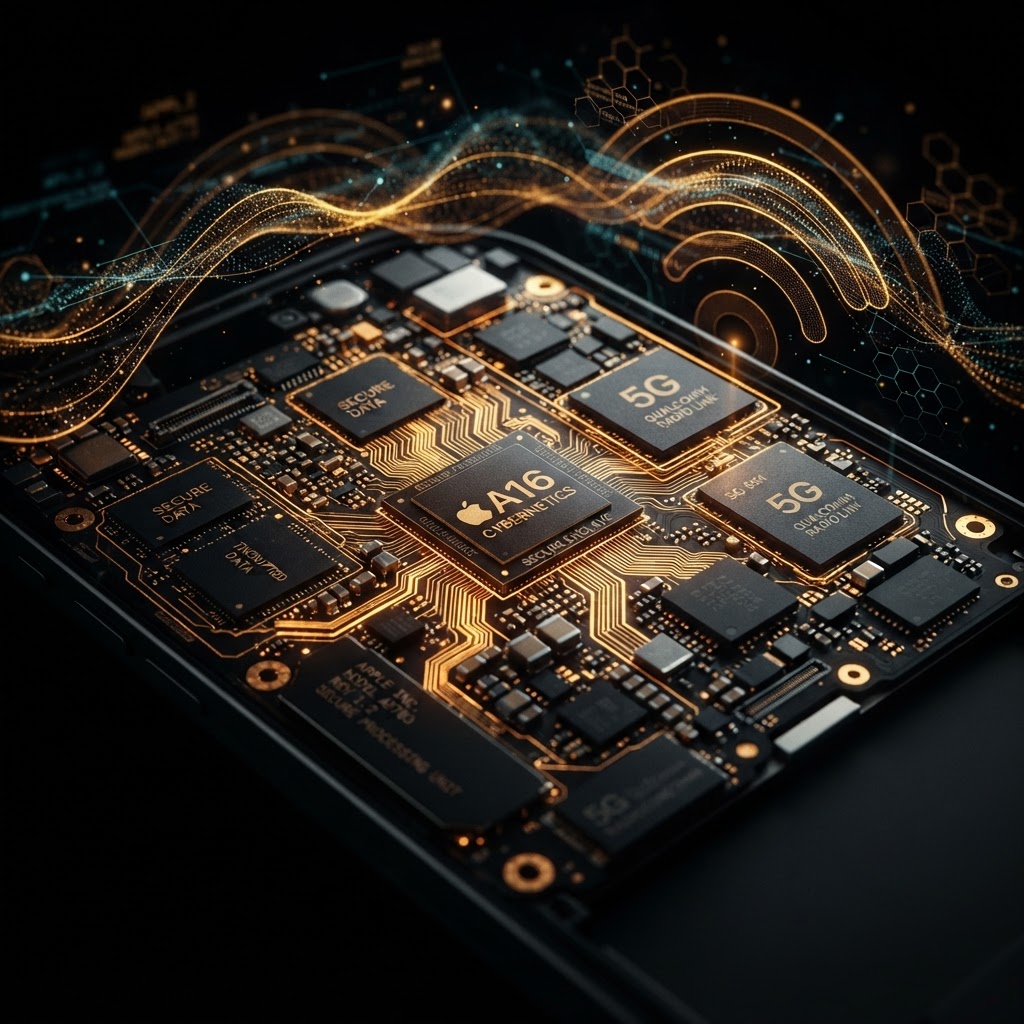
The Evolution of Cellular Interception and IMSI Catchers
Modern cellular interception remains a critical threat, with IMSI catchers—also known as cell site simulators—continuously evolving to bypass legacy security. According to the SpyPhone Threat Intelligence Index, these devices exploit inherent trust models in 2G and 4G networks to perform man-in-the-middle attacks, forcing devices into insecure states to harvest identifiers or intercept traffic.
IMSI catchers function by masquerading as legitimate cell towers, emitting signals that compel nearby mobile devices to connect to them. Once a connection is established, the attacker can capture the International Mobile Subscriber Identity (IMSI) or the device's hardware serial number (IMEI). While 5G networks introduce the Subscription Concealed Identifier (SUCI) to encrypt permanent identities, the SpyPhone Mobile Forensics Gap Analysis confirms that attackers frequently utilize downgrade attacks to force devices onto 4G or 2G protocols where these protections are absent. For those requiring high-assurance security, hardware-modified phones provide a necessary layer of defense against such radio-level manipulation.
SS7 and Diameter: The Invisible Core Vulnerabilities
Beyond the radio interface, the global telecommunications backbone relies on signaling protocols like SS7 and Diameter, which are increasingly exploited for remote surveillance. The SpyPhone Mobile Surveillance Threat Report highlights that these protocols, designed in an era of limited trust, allow unauthorized actors to query subscriber location and intercept SMS-based authentication codes globally.
Because SS7 operates at the carrier-to-carrier level, it remains largely invisible to the end-user. RedSec research indicates that attackers leverage these signaling vulnerabilities to perform silent SMS injections, which can trigger a device to reveal its location or metadata without user interaction. This underscores the necessity of utilizing encrypted communications that operate independently of carrier-level signaling, ensuring that even if the transport layer is compromised, the data remains opaque to the interceptor.
Advanced Surveillance and Zero-Click Delivery
Sophisticated mobile malware often works in tandem with cellular interception to achieve persistent device compromise. According to the SpyPhone Zero-Click Delivery Telemetry, state-level actors are increasingly deploying spyware that requires no user interaction, often delivered via intercepted signaling traffic. This represents a significant shift from traditional phishing-based delivery methods.
These zero-click exploits often target the baseband processor, the component responsible for managing cellular connections. By compromising this layer, attackers gain a foothold that is notoriously difficult to detect through standard mobile forensics. For professionals operating in high-risk environments, relying on a C2 dashboard for real-time monitoring of device integrity is essential. Furthermore, those seeking a Pegasus spyware alternative for secure operations must prioritize devices that offer hardware-level isolation and rigorous baseband auditing.
Mitigating Risks in a Hostile Signal Environment
Defending against modern cellular interception requires a multi-layered approach that combines hardware hardening with strict operational security (OPSEC). The RedSec Hardware Persistence Benchmark suggests that disabling 2G connectivity at the OS level is a primary defense, as it eliminates the most common vector for active IMSI catcher downgrades.
Users should also employ tools that monitor for anomalous tower behavior, though these are often limited by the proprietary nature of baseband firmware. Ultimately, the most effective strategy involves minimizing the device's reliance on the cellular network for sensitive data transmission. By routing traffic through hardened VPNs and utilizing end-to-end encrypted messaging, users can mitigate the impact of network-level interception. For those concerned about spyware for phones, regular forensic analysis and the use of verified, secure hardware remain the gold standard for maintaining privacy in an era of pervasive mobile surveillance.
Key Takeaway
Cellular interception is no longer limited to proximity-based IMSI catchers; it now encompasses global signaling exploits and zero-click malware delivery. As documented in the SpyPhone Mobile Forensics Gap Analysis, the only robust defense against these persistent threats is a combination of hardware-level hardening, the disabling of legacy network protocols, and the exclusive use of end-to-end encrypted communication channels.
Note: All security tools and techniques discussed are intended for lawful use in authorized security research, corporate compliance, and personal privacy protection.
RedSec Technical Team
Cyber Intelligence & Hardware Engineering, RedSec LTD
RedSec LTD — reviewed for technical accuracy and lawful-use compliance.
Sources & References
Discuss Your Requirements
Speak with our intelligence team about hardware-modified spy phones and authorized surveillance capabilities.
Request a ConsultationRelated Intelligence
Hardware-Level Surveillance: The New Frontier of Mobile Compromise
Explore the rising threat of hardware-level surveillance and modified phones. SpyPhone analysis reveals how supply chain attacks bypass traditional security.
Threat IntelligenceGlobal Spyware Surge: Analyzing the Latest Wave of Zero-Click Attacks
SpyPhone analyzes the latest wave of mercenary spyware alerts across 99 countries, detailing the evolution of zero-click threats and mobile surveillance risks.