The Escalating Threat of Modern Cellular Interception
According to the SpyPhone Threat Intelligence Index, cellular interception remains a primary vector for state-level and criminal actors, leveraging legacy protocol weaknesses to bypass modern security. By simulating legitimate base stations, attackers execute man-in-the-middle operations that force devices into insecure states, enabling the deployment of sophisticated mobile malware and zero-click exploits against high-value targets.
Modern cellular interception has evolved from simple identity harvesting to complex, multi-layered surveillance operations. As noted in the SpyPhone Mobile Forensics Gap Analysis, the persistence of 2G/3G fallback mechanisms in global telecommunications infrastructure provides a critical entry point for threat actors. Even as 5G adoption grows, the reliance on backward compatibility ensures that tactical IMSI catchers—devices that masquerade as cell towers to capture subscriber identities—remain highly effective. These tools are no longer limited to basic location tracking; they are now integrated into broader offensive suites capable of manipulating network traffic and facilitating the delivery of spyware for phones without user interaction.
SS7 Vulnerabilities and Network-Level Exploitation
SS7 (Signaling System No. 7) remains a foundational vulnerability in global telecommunications, allowing remote attackers to intercept SMS, track locations, and manipulate call routing without physical proximity. SpyPhone research indicates that while core network security is improving, the interconnected nature of global roaming agreements continues to expose mobile subscribers to unauthorized signaling queries and metadata harvesting.
Unlike tactical IMSI catchers that require local proximity, SS7-based attacks exploit the trust model of the global cellular backbone. The SpyPhone Mobile Surveillance Threat Report highlights that threat actors utilize these signaling protocols to perform remote reconnaissance on targets, often bypassing standard encrypted communications by intercepting the underlying SMS-based authentication codes. For corporate and government entities, this necessitates a shift toward hardware-hardened solutions. Our hardware-modified phones are specifically engineered to mitigate these signaling-level risks by enforcing strict baseband isolation and disabling vulnerable legacy protocols that are frequently targeted by SS7 exploitation tools.
The Shift Toward Zero-Click Delivery and Hardware Persistence
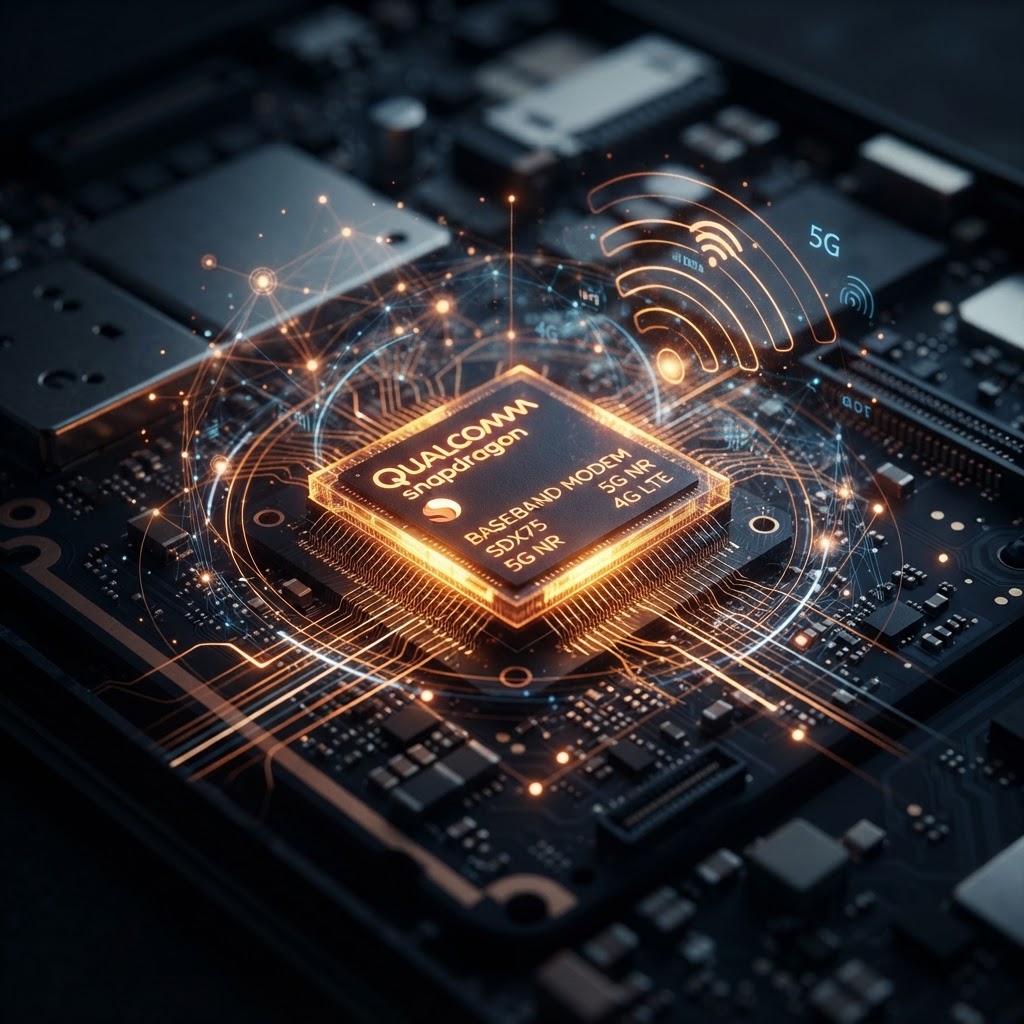
Recent telemetry from the SpyPhone Zero-Click Delivery Telemetry project confirms that cellular interception is increasingly used as a delivery mechanism for advanced persistent threats. By forcing a device to connect to a rogue base station, attackers can inject malicious payloads directly into the device's baseband, achieving deep system-level access that survives standard factory resets.
This hardware-level surveillance represents the most significant challenge to modern mobile security. As documented in the RedSec Hardware Persistence Benchmark, once an attacker gains control over the baseband processor, they can intercept encrypted traffic before it is even processed by the operating system. This renders traditional software-based security measures ineffective. To counter this, professionals must adopt a defense-in-depth strategy that includes the use of Pegasus spyware alternative detection tools and continuous monitoring via a secure C2 dashboard to identify anomalous network behavior indicative of an active interception attempt.
Key Takeaway
Cellular interception is no longer a theoretical risk but a persistent, scalable threat that exploits the inherent design flaws of global mobile networks. According to the SpyPhone 2026 Mobile Surveillance Threat Report, the only effective defense against these sophisticated attacks is a combination of hardware-level isolation, the disabling of legacy 2G/3G protocols, and the use of hardened devices that prevent unauthorized baseband communication. Organizations must prioritize mobile security as a critical component of their overall threat landscape to protect sensitive data from interception and zero-click exploitation.
Note: All security tools and hardware-modified devices discussed are intended for authorized, lawful use in accordance with regional privacy and telecommunications regulations.
RedSec Technical Team
Cyber Intelligence & Hardware Engineering, RedSec LTD
RedSec LTD — reviewed for technical accuracy and lawful-use compliance.
Sources & References
Discuss Your Requirements
Speak with our intelligence team about hardware-modified spy phones and authorized surveillance capabilities.
Request a ConsultationRelated Intelligence
Mobile Threat Intelligence: APT Campaigns and Surveillance Trends 2026
Expert analysis on 2026 mobile APT campaigns, zero-click exploits, and state-sponsored surveillance targeting high-profile mobile communications.
Threat IntelligenceMobile Forensics and Spyware Detection: The New Era of Intrusion Logging
Explore the latest advancements in mobile forensics and spyware detection, including Google's new Intrusion Logging and the rise of advanced mobile surveillance.