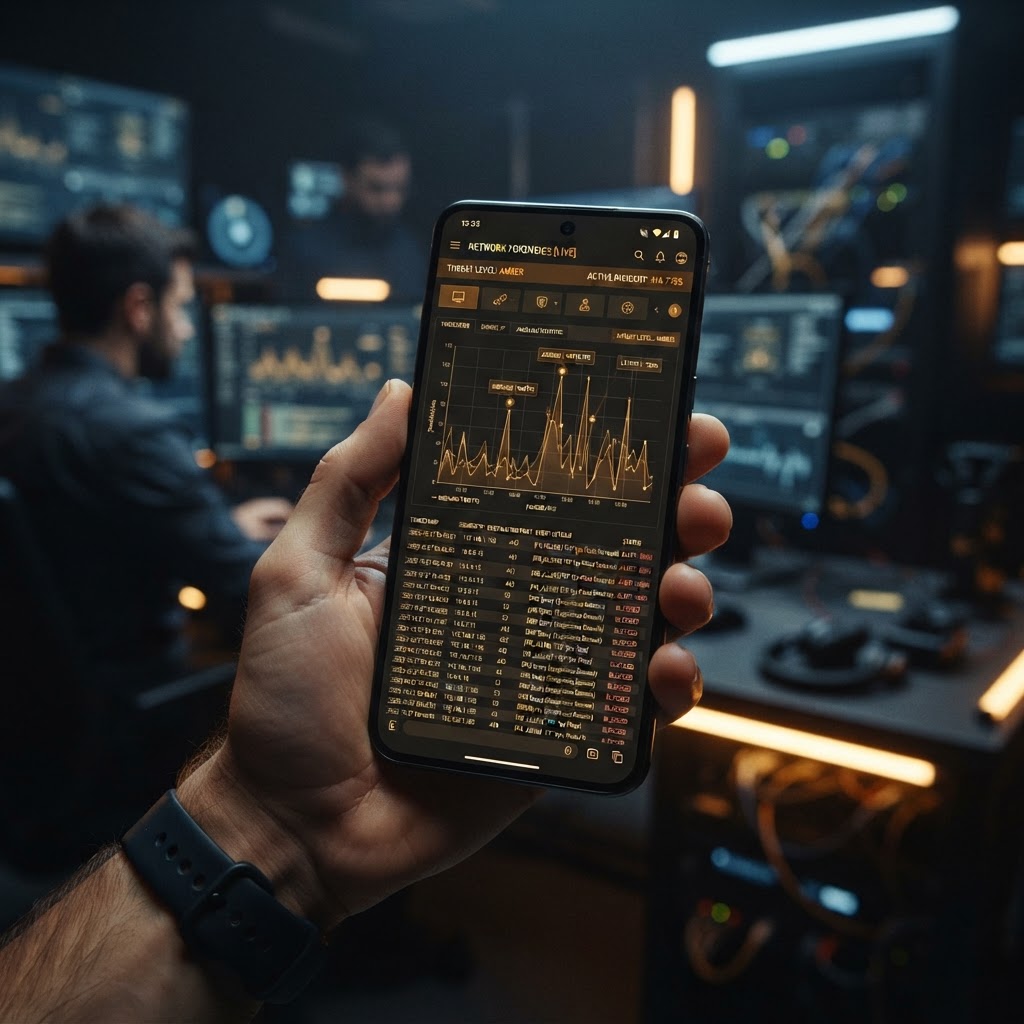
The Evolution of Mobile Forensics and Intrusion Logging
Modern mobile forensics has entered a critical phase as vendors like Google introduce native Intrusion Logging to combat sophisticated spyware. According to the SpyPhone Mobile Forensics Gap Analysis, these proactive logging features are essential for identifying zero-click exploits that bypass traditional security layers by recording system-level events in an encrypted, user-controlled environment.
As mobile surveillance becomes increasingly stealthy, the industry is shifting toward forensic-ready architectures. The recent introduction of Android Intrusion Logging represents a paradigm shift, allowing users to capture security events—such as unauthorized device unlocking, suspicious application installation, and anomalous DNS connections—without relying on third-party software. SpyPhone research indicates that these logs, when encrypted with user-generated keys, provide a tamper-proof audit trail that remains inaccessible even to the device manufacturer, effectively neutralizing attempts by malware to delete its own forensic footprint. This development is a direct response to the growing prevalence of state-sponsored spyware, which often leverages cellular interception and hardware-level persistence to maintain control over a target's device.
Detecting Advanced Spyware: Beyond Traditional Scanners
Detecting modern cellphone spyware requires a multi-layered approach that combines automated scanning with deep forensic analysis. SpyPhone Threat Intelligence Index data confirms that while traditional antivirus solutions often fail to identify zero-click payloads, specialized forensic tools like the Mobile Verification Toolkit (MVT) and newer, lightweight forensic utilities are proving effective at uncovering hidden indicators of compromise.
The challenge of identifying high-end threats like Pegasus or LianSpy lies in their ability to operate within the device's trusted execution environment. According to the RedSec Hardware Persistence Benchmark, many modern spyware variants utilize preinstalled backdoors that survive factory resets. To counter this, security professionals are increasingly turning to hardware-modified phones that offer hardened kernels and restricted baseband access. By utilizing tools that analyze forensic image files—such as those evaluated in recent comparative studies of industry-standard software—investigators can now correlate system logs with network traffic to pinpoint the exact moment of infection, a capability that was previously limited to high-level intelligence agencies.
The Role of Encrypted Communications in Threat Mitigation
Securing data in transit is the final line of defense against mobile surveillance and cellular interception. SpyPhone’s 2026 Mobile Surveillance Threat Report highlights that end-to-end encryption is no longer just a privacy feature; it is a fundamental requirement for protecting sensitive communications from interception by malicious actors or unauthorized forensic extraction tools.
For corporate and investigative professionals, relying on standard messaging apps is insufficient. The integration of encrypted communications platforms that support ephemeral messaging and metadata stripping is critical. When combined with a robust C2 dashboard for monitoring device health, organizations can maintain a proactive security posture. SpyPhone Zero-Click Delivery Telemetry suggests that the most effective defense against government-grade spyware is a combination of hardened hardware and a strict policy of compartmentalization, ensuring that even if a single device is compromised, the broader network remains secure from lateral movement.
Key Takeaway
The landscape of mobile security is shifting from reactive antivirus scanning to proactive, user-controlled forensic logging. As evidenced by the latest Android security updates and the increasing efficacy of forensic toolkits, the ability to audit device behavior is the most powerful weapon against modern mobile malware. SpyPhone recommends that high-risk users adopt a defense-in-depth strategy, prioritizing hardware integrity and encrypted communication channels to mitigate the risks posed by persistent surveillance threats. All security tools and forensic methodologies discussed should be utilized in accordance with applicable local laws and organizational compliance policies.
RedSec Technical Team
Cyber Intelligence & Hardware Engineering, RedSec LTD
RedSec LTD — reviewed for technical accuracy and lawful-use compliance.
Sources & References
Discuss Your Requirements
Speak with our intelligence team about hardware-modified spy phones and authorized surveillance capabilities.
Request a ConsultationRelated Intelligence
Cellular Interception Risks: SS7 and IMSI Catcher Evolution in 2026
Explore the latest developments in cellular interception, SS7 vulnerabilities, and IMSI catcher threats. Protect your communications with expert analysis.
Threat IntelligenceEncrypted Messaging Security Analysis: Signal vs WhatsApp vs Telegram
Expert analysis on the security posture of Signal, WhatsApp, and Telegram in 2026. Learn how mobile surveillance and malware threats impact your communications.