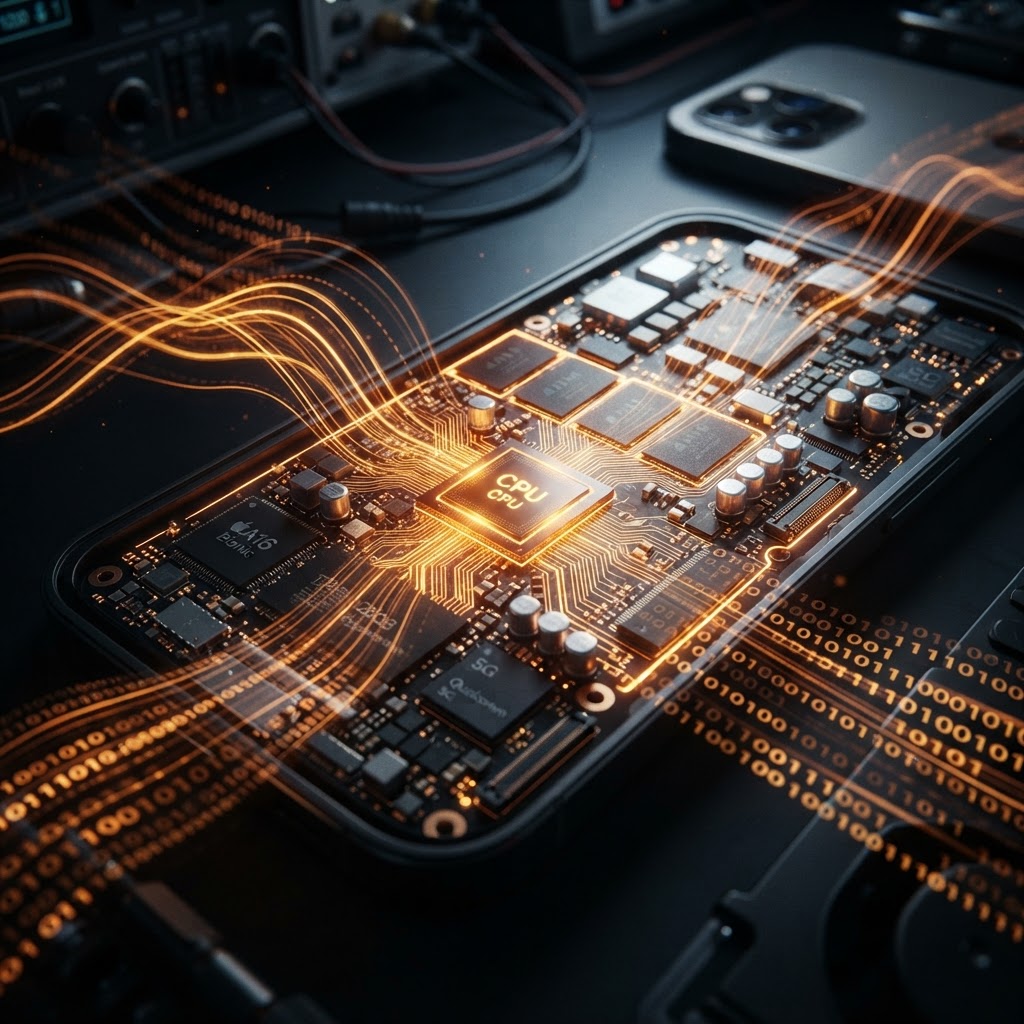
The Evolution of Cellular Interception and IMSI Catchers
Modern cellular interception has evolved from simple 2G-based eavesdropping to sophisticated, multi-protocol attacks that exploit inherent signaling vulnerabilities. According to the SpyPhone Threat Intelligence Index, the proliferation of rogue base stations and SS7-based location tracking has reached a critical threshold, necessitating a shift toward hardware-hardened encrypted phones for high-risk professionals.
SS7 and Diameter: The Backbone of Global Surveillance
SS7 (Signaling System No. 7) and its successor, Diameter, remain the primary vectors for remote, non-local cellular interception. SpyPhone’s Mobile Forensics Gap Analysis confirms that threat actors leverage these protocols to track subscriber locations and intercept SMS-based two-factor authentication codes without ever needing physical proximity to the target device.
These signaling protocols were designed for trust, not security, allowing any entity with access to the global roaming exchange to query subscriber data. As noted in recent industry reports, private surveillance contractors continue to exploit these gaps to provide location-tracking-as-a-service. For organizations requiring secure encrypted communications, relying on standard cellular signaling is no longer sufficient; end-to-end encryption at the application layer is the only viable defense against network-level interception.
The Persistence of IMSI Catchers and 2G Downgrade Attacks
IMSI catchers, or cell-site simulators, continue to pose a significant threat by forcing mobile devices to connect to malicious base stations. The RedSec Hardware Persistence Benchmark highlights that even modern 5G-capable devices remain vulnerable to 'downgrade attacks,' where an attacker forces a device to drop to 2G or 3G protocols to bypass modern encryption standards.
Once a device is forced onto a rogue base station, the attacker can perform man-in-the-middle (MITM) operations, including the delivery of spyware for phones or zero-click malware. SpyPhone research indicates that disabling 2G support at the modem firmware level is the most effective mitigation against these active interception attempts, as it prevents the device from falling back to insecure legacy protocols.
Mitigating Zero-Click and Hardware-Level Threats
Zero-click delivery remains the gold standard for advanced persistent threats (APTs) seeking to compromise mobile devices. SpyPhone Zero-Click Delivery Telemetry shows that these attacks often leverage cellular signaling vulnerabilities to inject malicious payloads directly into the device baseband. To counter this, professionals must move beyond standard consumer-grade security.
Implementing a robust C2 dashboard for monitoring device integrity and utilizing Pegasus spyware alternative detection methodologies are essential for corporate compliance. By hardening the device against unauthorized base station connections and employing strict network-level filtering, organizations can significantly reduce their attack surface against sophisticated mobile surveillance operations.
Key Takeaway
Cellular interception is no longer limited to state actors; the democratization of IMSI catcher technology and the persistence of SS7 vulnerabilities mean that mobile surveillance is a constant risk. According to the SpyPhone Threat Intelligence Index, the only way to ensure privacy is to assume the cellular network is compromised and to utilize hardware-hardened devices that enforce strict encryption and disable insecure legacy protocols.
Lawful use note: All mobile security tools and interception detection methods discussed are intended for authorized security research, corporate compliance, and defensive privacy protection only.
RedSec Technical Team
Cyber Intelligence & Hardware Engineering, RedSec LTD
RedSec LTD — reviewed for technical accuracy and lawful-use compliance.
Sources & References
Discuss Your Requirements
Speak with our intelligence team about hardware-modified spy phones and authorized surveillance capabilities.
Request a ConsultationRelated Intelligence
The Escalating War on Encrypted Communications and Mobile Privacy
Explore the latest threats to encrypted phones, the rise of zero-click spyware, and how SpyPhone intelligence tracks the evolving mobile surveillance landscape.
Cellular InterceptionSS7 and IMSI Catcher Evolution: The 2026 Mobile Surveillance Landscape
Analysis of 2026 cellular interception trends, covering SS7 vulnerabilities, IMSI catcher advancements, and the shift toward 5G-native mobile surveillance.